
 +86-18343147735



0102030405
Water Reagent Test Kit For Drinking Water: Essential Guide for Safe Water Testing
2026-05-19
Access to safe drinking Water is non-negotiable for human health, and awater reagent test kit for drinking waterserves as a fast, accurate, and cost-effective tool to verify water quality at home, in commercial settings, or in remote areas. Unlike complex laboratory tests that require time and high costs, professional reagent test kits enable users to detect contaminants, check pH levels, measure chlorine content, and identify heavy metals in minutes—no advanced technical skills needed. This guide explores the importance of water reagent test kits, core testing parameters, how they work, key selection criteria, and why HKConlight’s solutions stand out for reliable drinking water testing.
Why a Water Reagent Test Kit for Drinking Water Is Indispensable
Drinking water contamination can stem from multiple sources: old plumbing (lead pipes), agricultural runoff (nitrates, pesticides), industrial waste (heavy metals), microbial growth (bacteria, E. coli), or inadequate water treatment (excess chlorine). Even tap water that meets municipal standards can develop issues in distribution systems, while well water, rainwater, or water from rural areas often lacks regular monitoring. A water reagent test kit addresses these risks with three critical benefits:
1. Rapid, On-Site Results
Laboratory water testing typically takes 24–72 hours and requires sample transportation, delaying critical decisions. Reagent test kits deliver results in 1–10 minutes. For example, a pH test uses liquid reagents that change color instantly when mixed with water, while chlorine reagents react within 2 minutes to show residual levels. This speed is vital for emergency scenarios like pipeline leaks, flood contamination, or rural water source verification.
2. Cost-Effective Regular Monitoring
Professional lab tests cost $50–$200 per sample, making frequent monitoring unaffordable for most households and small businesses. A high-quality water reagent test kit costs $20–$50 and provides 50–200 tests, reducing the cost per test to less than $0.50. This affordability allows monthly testing for families, daily checks for small water treatment plants, and routine inspections for schools or restaurants.
3. Comprehensive Contaminant Detection
Modern reagent kits test for 10–20 critical parameters, covering physical, chemical, and microbial hazards. Unlike basic test strips that only measure 2–3 indicators, reagent-based kits use chemical reactions to detect trace contaminants as low as 15 ppb (parts per billion) for lead—matching EPA action levels. This ensures no hidden threats are overlooked.
Core Parameters Tested by Water Reagent Test Kits for Drinking Water
A reliable drinking water reagent kit targets parameters defined by global standards (e.g., EPA, WHO, GB/T 5750-2023). Below are the most critical tests and their health implications:
1. pH Level
- Ideal Range: 6.5–8.5 (neutral to slightly alkaline)
- Risks of Imbalance: Acidic water (pH <6.5) corrodes pipes, leaching lead and copper; alkaline water (pH >8.5) causes scale buildup and bitter taste.
- Test Method: Liquid reagent drops mixed with water; compare color to a pH chart (e.g., red = acidic, blue = alkaline).
2. Residual Chlorine
- Ideal Range: 0.2–0.5 mg/L (municipal water standard)
- Risks: Excess chlorine (>1 mg/L) causes unpleasant taste/odor and forms carcinogenic byproducts; low chlorine (<0.2 mg/L) fails to kill bacteria.
- Test Method: DPD (N,N-diethyl-p-phenylenediamine) reagent powder reacts with chlorine, producing a pink/red color—intensity indicates concentration.
3. Heavy Metals (Lead, Copper, Iron)
- Lead Limit: ≤15 ppb (EPA); causes brain damage in children and organ damage in adults.
- Copper Limit: ≤1.3 mg/L; causes stomach cramps and liver/kidney damage.
- Iron Limit: ≤0.3 mg/L; causes rusty water, metallic taste, and stains fixtures.
- Test Method: Colorimetric reagents bind to metals, producing distinct colors (e.g., lead = blue, iron = orange) for concentration comparison.
4. Nitrates & Nitrites
- Nitrate Limit: ≤50 mg/L (WHO); high levels cause "blue baby syndrome" in infants.
- Sources: Agricultural fertilizers, septic systems, animal waste.
5. Microbial Contaminants (Total Coliform, E. coli)
- Risk: Indicates fecal contamination, causing diarrhea, vomiting, and waterborne diseases.
- Test Method: Reagent vials with growth indicators; yellow color = coliform positive, fluorescence = E. coli positive.
6. Water Hardness
- Ideal Range: 50–150 mg/L (calcium carbonate)
- Issues: Hard water causes soap scum, scale in appliances, and dry skin/hair.
How a Water Reagent Test Kit Works: Simple 3-Step Process
Reagent test kits rely on colorimetric chemical reactions—reagents react with water contaminants to produce color changes, with intensity matching contaminant concentration. The process is straightforward:
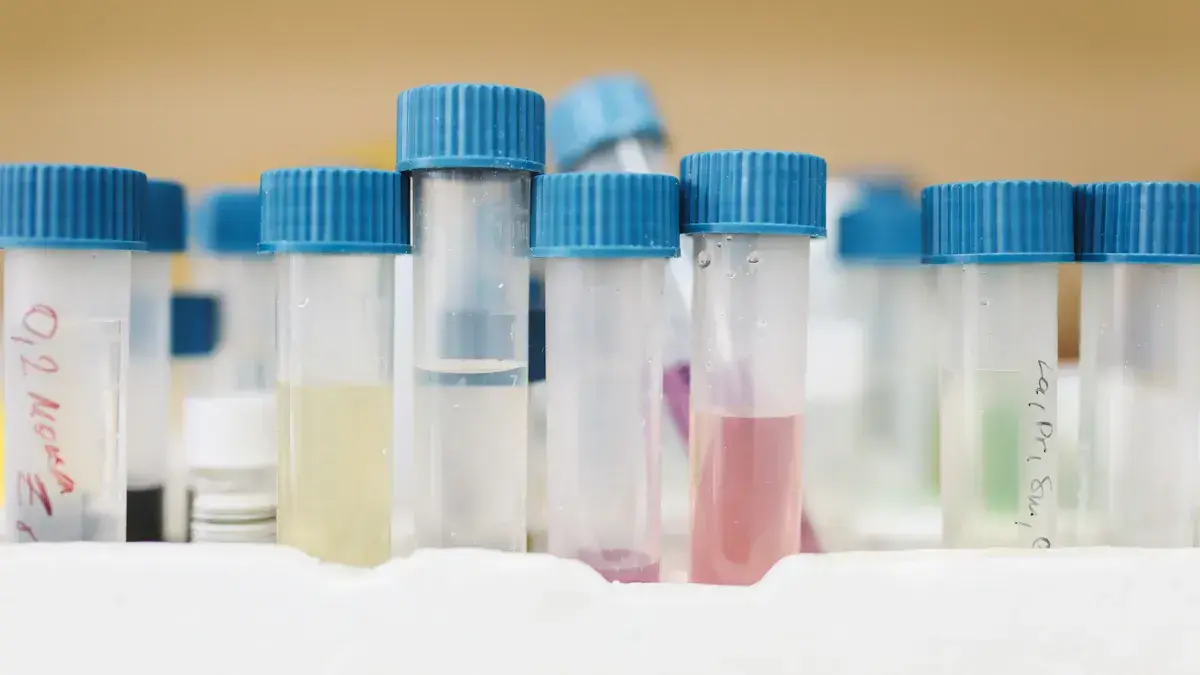
- Sample Collection: Fill a clean vial with 5–10 mL of drinking water (avoid tap water aeration).
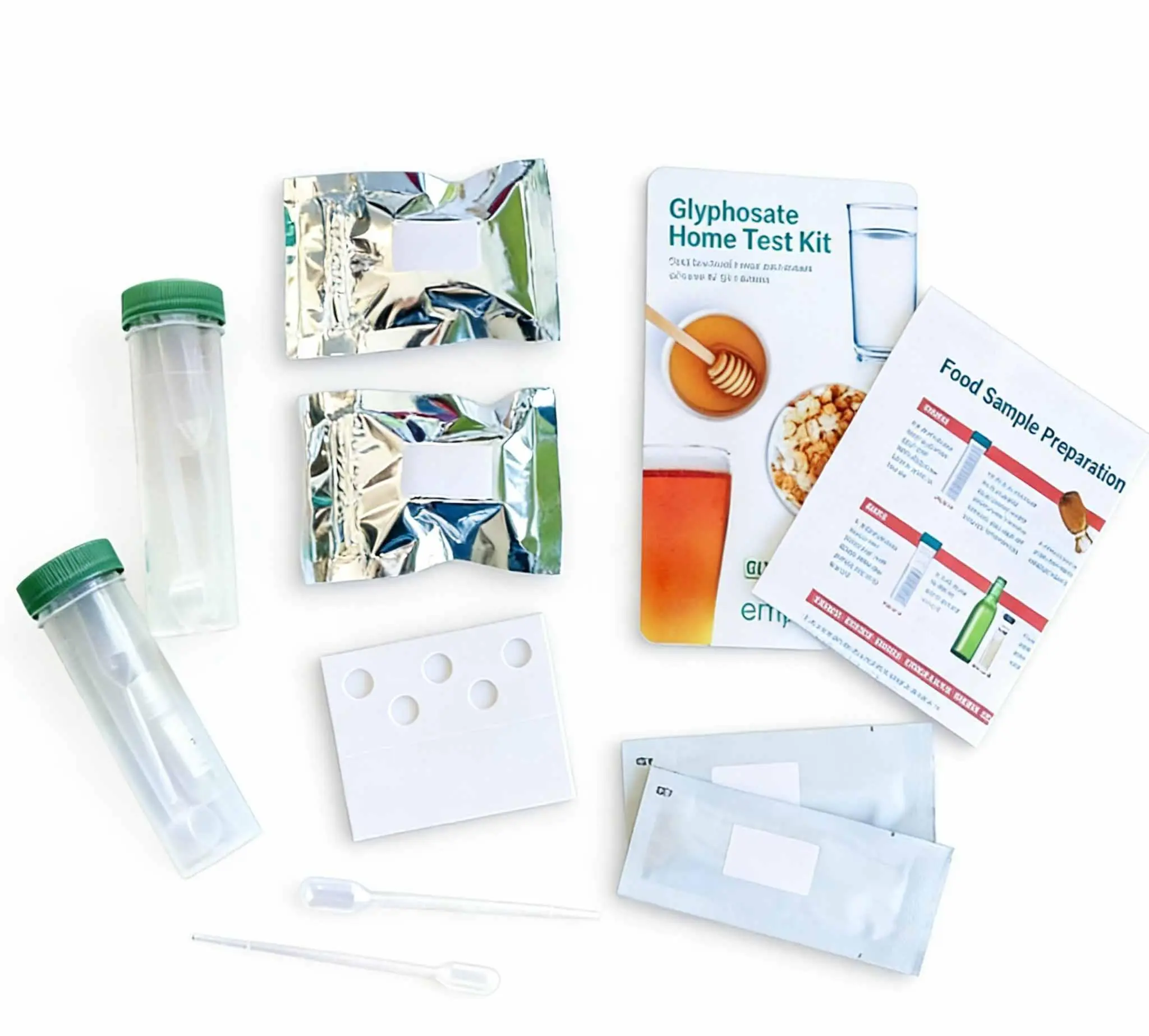
- Reagent Application: Add liquid drops, powder, or a test strip to the vial; shake gently to mix.
- Color Comparison: Wait 1–5 minutes for color development, then match to the kit’s calibrated color chart to read results.
Key Factors to Choose a Reliable Water Reagent Test Kit
Not all kits deliver accurate results—poor-quality reagents fade quickly, have low sensitivity, or miss critical parameters. Use these criteria to select the best kit:
1. Parameter Coverage
Choose kits that test at minimum pH, chlorine, lead, copper, nitrates, and hardness. For well water or rural areas, add microbial (coliform/E. coli) and iron tests. HKConlight’s 18-in-1 kit covers all core parameters plus fluoride, sulfate, and hydrogen sulfide for comprehensive safety.
2. Accuracy & Sensitivity
- Ensure detection limits meet global standards (e.g., lead ≤15 ppb, nitrates ≤50 mg/L).
- Look for kits with batch-calibrated reagents and color charts printed with fade-resistant ink. Avoid cheap kits with generic charts—they cause 30–50% result errors.
3. Ease of Use & Clarity
- Kits must include step-by-step multilingual instructions and clear color charts.
- Reagents should be pre-measured (drops/powder packets) to avoid user error. HKConlight’s kits use labeled droppers and color-coded charts for 1-minute interpretation.
4. Shelf Life & Storage
- High-quality reagents have a 2–3 year shelf life (stored in cool, dry places). Avoid kits with expired reagents—they produce false negatives/positives.
5. Brand Reliability & Certifications
- Select kits from manufacturers with ISO 9001 certification and compliance with EPA/WHO standards. HKConlight, a trusted provider of water testing solutions, adheres to strict quality control for all reagent kits, ensuring consistent performance across batches.
Common Applications of Water Reagent Test Kits
1. Household Water Safety
- Test tap water for lead (old homes), chlorine, and pH.
- Monitor well water for nitrates, bacteria, and heavy metals.
- Verify reverse osmosis (RO) or filter performance by testing before/after filtration.
2. Commercial & Industrial Use
- Restaurants/Hotels: Daily checks of drinking water and ice machine water for bacteria and chlorine.
- Schools/Hospitals: Monthly microbial testing to prevent outbreaks.
- Water Treatment Plants: On-site monitoring of pH, chlorine, and hardness for process control.
3. Rural & Emergency Scenarios
- Rural communities without municipal water test rainwater, springs, or wells.
- Disaster response teams use kits to quickly assess flood-contaminated water sources.
Why HKConlight’s Water Reagent Test Kits Are the Best Choice
As a professional supplier of water quality testing solutions, HKConlight designs reagent kits for accuracy, durability, and user-friendliness, making them ideal for homes, businesses, and industrial users:
- Comprehensive Testing: 12–22 parameter kits cover all critical drinking water contaminants, including hard-to-detect heavy metals and microbes.
- Lab-Grade Accuracy: Reagents are manufactured with high-purity chemicals, calibrated to EPA/WHO standards, and tested for batch consistency.
- Long Shelf Life: 2-year shelf life with sealed, moisture-resistant packaging for reliable long-term use.
- User-Centric Design: Pre-measured reagents, color-coded charts, and multilingual instructions ensure anyone can test water in minutes.
- Cost-Effective: Bulk pack options (100–200 tests) reduce costs for regular monitoring, with no hidden fees.
A water reagent test kit for drinking water is an essential tool to safeguard health by ensuring water is free of harmful contaminants. Whether for daily household checks, commercial compliance, or emergency testing, these kits deliver fast, accurate, and affordable results that eliminate guesswork about water safety. When choosing a kit, prioritize parameter coverage, accuracy, ease of use, and brand reliability—qualities that define HKConlight’s trusted water testing solutions.
Don’t compromise on drinking water safety. Invest in a professional water reagent test kit today to protect your family, customers, and community from hidden water contaminants.