
 +86-18343147735




0102030405
Epstein-Barr Virus Capsid Antigen Explained Simply
2026-05-12
You may have heard about the Epstein-Barr Virus Capsid Antigen (EBV-CA) during a doctor’s visit or in a lab report. This antigen is a protein from the Epstein-Barr virus that helps your body recognize the infection. EBV-CA plays a key role in understanding how your immune system responds to the virus and helps doctors interpret your test results. EBV spreads easily from person to person. In fact,
- Up to 95% of adults globally have been infected with EBV.
Learning about EBV-CA can help you understand your health better.
Key Takeaways
- EBV-CA is a protein from the Epstein-Barr virus that helps your immune system recognize and fight the infection.
- Doctors use EBV-CA tests to determine if you have a new or past EBV infection, which can guide your treatment.
- Understanding your EBV-CA test results can empower you to make informed health decisions and discuss options with your doctor.
- Common symptoms of EBV infection include fatigue, fever, and sore throat; see a doctor if symptoms last longer than two weeks.
- EBV spreads easily through saliva, so avoid sharing drinks or utensils to protect others when feeling unwell.
What Is Epstein-Barr Virus Capsid Antigen (EBV-CA)?
EBV-CA and the Virus
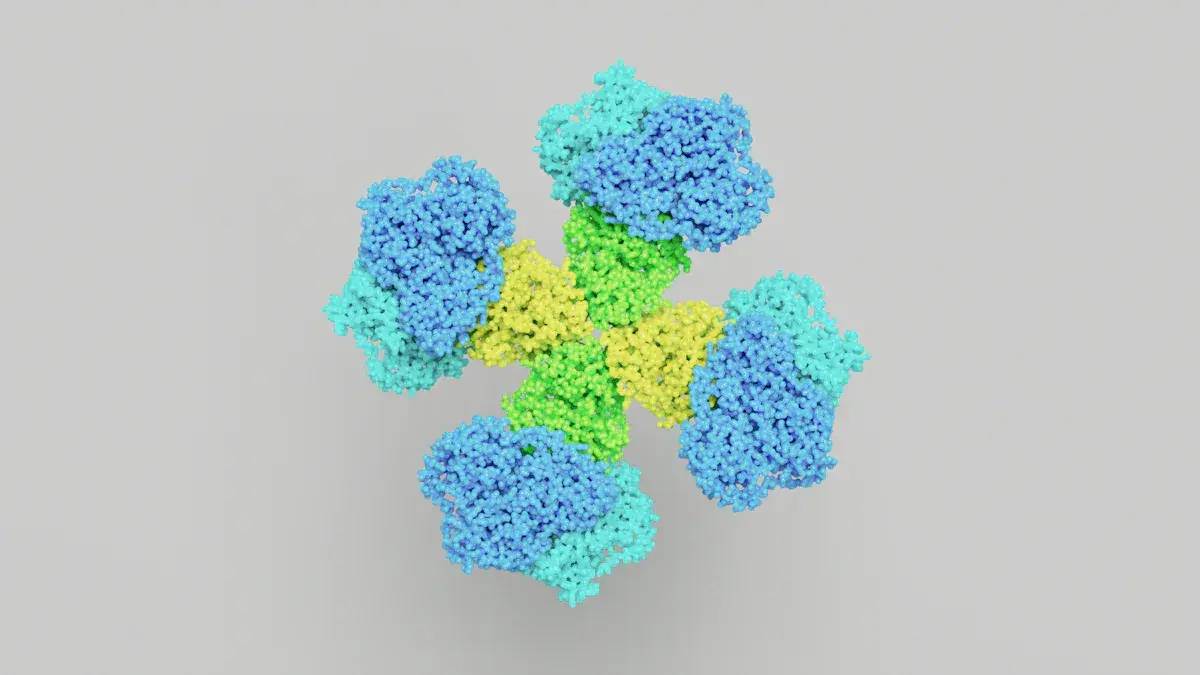
You may wonder what Epstein-Barr Virus Capsid Antigen (EBV-CA) actually is. This antigen is a protein that forms part of the outer shell, or "capsid," of the Epstein-Barr virus. When the virus enters your body, it uses this protein to protect its genetic material. The virus spreads mainly through saliva, so you can catch it by sharing drinks, kissing, or even using the same utensils as someone who is infected. Because the virus is so common, most people come into contact with it at some point in their lives.
How the Body Responds
Your immune system acts like a security team. When it detects Epstein-Barr Virus Capsid Antigen (EBV-CA), it quickly gets to work. Your body recognizes this antigen as a sign of infection and starts to fight back. Two main parts of your immune system respond: cellular immunity and humoral immunity.
Here is a simple table that shows how your immune system reacts:
| Immune Response | Description |
|---|---|
| Cellular immunity | CD4+ and CD8+ T cells target and destroy infected cells. |
| Humoral immunity | B cells make antibodies to attack the virus. |
Your body uses special sensors to spot the virus. These sensors include TLR3, which finds double-stranded RNA, and TLR9, which detects viral DNA. T cells also play a big role by recognizing pieces of the virus and helping to remove infected cells.
| Mechanism | Description |
|---|---|
| TLR3 | Finds double-stranded RNA from the virus. |
| TLR9 | Detects unmethylated viral DNA. |
| T cell recognition | Spots virus pieces and targets infected cells. |
When your immune system sees Epstein-Barr Virus Capsid Antigen (EBV-CA), it makes antibodies. These are proteins that stick to the antigen and help destroy the virus. The two main types of antibodies your body makes are called IgM and IgG. IgM appears first and shows you have a new infection. IgG appears later and stays in your body, showing you had the infection before or still have it.
Here is a table that explains the main antibodies your body produces:
| Antibody Type | Role in Response to EBV |
|---|---|
| VCA-IgG | Shows ongoing or past infection with Epstein-Barr virus. |
| EBNA-1 IgG | Indicates a strong immune response, often seen in some cases. |
| EA-IgA | Suggests early immune activation before symptoms appear. |
You can see that your immune system uses many tools to fight Epstein-Barr Virus Capsid Antigen (EBV-CA). This response helps doctors understand if you have a new infection or if you have had the virus before.
Why EBV-CA Matters
Role in Diagnosis
Doctors use Epstein-Barr Virus Capsid Antigen (EBV-CA) tests to help you find out if you have an EBV infection. These tests look for antibodies your body makes when it fights the virus. If you feel sick with symptoms like a sore throat, fever, or tiredness, your doctor may order this test. The results can show if you have a new infection or if you had the virus before.
You should know that EBV-CA tests have high specificity. This means that if your test is positive, it is very likely you have the virus. The sensitivity of these tests can change from person to person. Sometimes, the test might not catch every case, especially early on. Still, doctors trust these tests to confirm if you have an EBV infection.
Tip: If your doctor orders an EBV-CA test, ask them to explain what your results mean. This can help you understand your health better.
Connection to Mononucleosis
Mononucleosis, or "mono," is a common illness caused by EBV. Doctors often call it the "kissing disease" because it spreads through saliva. EBV-CA plays a big part in diagnosing mono. When you get sick, your body makes two main types of antibodies: IgM and IgG. These antibodies help your doctor know if your infection is new or if you had it before.
Here is a simple table to show what each antibody means:
| Antibody Type | What It Shows About Infection |
|---|---|
| Anti-VCA IgM | You have a new or recent infection. |
| Anti-VCA IgG | You had the infection before, even years ago. |
IgM appears first and goes away after a few weeks. IgG stays in your body for life. By looking at these antibodies, your doctor can tell if you have an early infection or if you are already immune.
Understanding your EBV-CA test results can help you and your doctor make the best choices for your health.
Testing for EBV-CA

How Tests Work
Doctors use blood tests to check for antibodies against Epstein-Barr Virus Capsid Antigen (EBV-CA). These tests help you find out if your body has fought the virus recently or in the past. The most common tests look for two types of antibodies: anti-VCA IgM and anti-VCA IgG.
The testing process uses a special method called ELISA. Here is a simple table that shows the main steps:
| Step | Description |
|---|---|
| 1 | Your blood sample is mixed with a special solution. |
| 2 | The solution removes certain proteins so the test can focus on IgM or IgG. |
| 3 | If your blood has antibodies, they stick to the test plate. |
| 4 | The plate is washed to clear away anything extra. |
| 5 | A marker is added to help see the antibodies. |
| 6 | The plate is washed again. |
| 7 | A color change shows if antibodies are present. |
| 8 | The color is measured to give your result. |
New technology, like real-time PCR and AI-assisted analysis, helps doctors get faster and more accurate results. Some clinics even use Rapid Tests that give answers right away.
What Results Mean
When you get your results, you may see terms like "IgM positive" or "IgG positive." Here is what those results mean for you:
- IgM positive: You have a new or recent infection. IgM antibodies show up early and disappear in about 4 to 6 weeks.
- IgG positive: You had the infection before. IgG antibodies appear a little later and stay in your body for life.
- Both IgM and IgG positive: You are in the early stage of infection, and your body is fighting the virus.
- Both negative: You likely have not had an EBV infection.
| Antibody Type | When It Appears | How Long It Lasts | What It Means for You |
|---|---|---|---|
| Anti-VCA IgM | Early in infection | 4-6 weeks | Recent infection |
| Anti-VCA IgG | 2-4 weeks after infection | For life | Past or ongoing infection |
Sometimes, other infections or differences in your immune system can affect your results. If you have questions, ask your doctor to explain your test in detail.
Note: The monospot test is not as reliable as these antibody tests. Doctors do not recommend it for most people.
EBV-CA and Your Health
Common Symptoms
When you get infected with the Epstein-Barr virus, your body may show several signs. You might feel tired or have a fever. Your throat can hurt, and the lymph nodes in your neck may swell. These symptoms are common in people with EBV.
Here is a table that shows the most frequent symptoms:
| Symptom | Description |
|---|---|
| Fatigue | A common feeling of tiredness |
| Fever | Elevated body temperature |
| Sore throat | Pain or discomfort in the throat |
| Swollen lymph nodes | Enlarged lymph nodes, often in the neck |
Younger children often have mild symptoms. Sometimes, they do not feel sick at all. Their illness may look like a short cold or flu. Teenagers and adults usually have stronger symptoms. You may feel very tired, and your symptoms can last for weeks.
Note: Most EBV infections in children and young adults do not cause strong symptoms. Many people never know they had the virus.
When to See a Doctor
You should see a doctor if your symptoms last longer than two weeks or if you feel extremely tired for more than ten days. If you have trouble swallowing, severe sore throat, or swollen glands that do not go away, a doctor can help you find out what is wrong. Sometimes, fatigue from EBV can last for months. In rare cases, it can last for over a year.
EBV can also lead to other health problems. Some people develop chronic fatigue syndrome after infection. EBV has links to autoimmune diseases like lupus and rheumatoid arthritis. In rare cases, it can cause certain cancers or affect your nerves.
EBV spreads easily. Up to 95% of adults worldwide have had this virus. In the United States, most children and teenagers have been exposed by age 19. You can protect others by not sharing drinks or utensils when you feel sick.
Tip: If you have ongoing symptoms or feel worried about your health, talk to your doctor. Most people recover fully, but it is important to get help if you need it.
You now know that Epstein-Barr Virus Capsid Antigen (EBV-CA) helps doctors find out if you have a new or past infection. Understanding your test results can help you make smart choices about your health. Here is a quick look at how EBV-CA testing works:
| Test Method | What It Shows |
|---|---|
| Immunoblotting for IgG | Tells if infection is new or old |
| VCA IgG Avidity Test | Helps confirm the stage of infection |
| EBV DNA Detection | Finds active or reactivated virus |
Most people recover fully from EBV. You can live a healthy life after infection.
FAQ
What does a positive EBV-CA IgM test mean?
A positive EBV-CA IgM test means you have a new or recent Epstein-Barr virus infection. Your body has started to fight the virus. You may have symptoms like fever or sore throat.
Can you get Epstein-Barr virus more than once?
You usually get Epstein-Barr virus only once. Your body keeps IgG antibodies for life. These protect you from getting sick again. Rarely, the virus can reactivate, but you often do not feel sick.
How do you catch Epstein-Barr virus?
You catch Epstein-Barr virus through saliva. Sharing drinks, food, or kissing can spread the virus. You can also get it by using the same utensils as someone who is infected.
Is Epstein-Barr virus dangerous?
Most people recover fully from Epstein-Barr virus. You may feel tired for weeks. In rare cases, the virus can cause other health problems. If you feel sick for a long time, see your doctor.