
 +86-18343147735

0102030405
What Is a Glyphosate Rapid Test Card and How Does It Work
2026-04-20
A Glyphosate Rapid TestCard lets you quickly check for glyphosate, a chemical used in many farms around the world. You only need to add a sample like Water or food, and the card shows results in minutes. Glyphosate appears in many foods and water supplies because it is the most widely used pesticide. You should care about glyphosate because it can disrupt gut bacteria, may cause oxidative stress, and raise concerns about your immune and hormone systems.
- Glyphosate is common in agriculture and often found in food and water.
- Exposure may affect gut health and cause other health risks.
Key Takeaways
- A Glyphosate Rapid Test Card allows you to quickly check for glyphosate in food and water, providing results in just minutes.
- Testing for glyphosate helps protect your health and the environment by identifying unsafe levels of this common pesticide.
- Using the test card is simple: collect a sample, add it to the card, and wait for results without needing special training.
- The card can detect very low levels of glyphosate, helping you catch contamination early and avoid health risks.
- Farmers and environmental groups use these cards to ensure food safety and monitor pollution, making them valuable tools for everyone.
Glyphosate Rapid Test Card Basics

What Is Glyphosate
Glyphosate is a chemical that helps farmers control weeds. You find it in many herbicides used on crops, lawns, and gardens. Farmers spray it on plant leaves because it works as a non-selective systemic herbicide. This means it kills most plants it touches, not just certain types.
- Glyphosate is a glycine derivative with the scientific name N-(phosphonomethyl) glycine.
- It stops plants from making important proteins by blocking the shikimic acid pathway. This pathway helps plants create amino acids they need to grow.
- When you use glyphosate, it moves through the plant and stops growth by blocking the enzyme EPSP synthase.
You see glyphosate used all over the world. It helps farmers grow more food by keeping fields free of weeds. Because of this, glyphosate often ends up in food and water.
Why Test for Glyphosate
You should test for glyphosate to protect your health, the environment, and food safety. Many foods and water sources may contain glyphosate residues, but testing does not happen as often as it should. This creates a gap in food safety.
- Testing helps you know if your food or water has unsafe levels of glyphosate.
- Some tests miss low levels of glyphosate, so you need accurate methods to avoid misleading results.
- Reliable tests help farmers and scientists check if crops and soil are safe.
Regulations set limits for glyphosate in food and water. The table below shows how different agencies manage these rules:
| Regulatory Body | Regulation/Guideline | Key Requirements |
|---|---|---|
| EPA | FIFRA (40 CFR Part 158) | Validates residue levels and recovery rates of 70-120% |
| EU | Regulation (EC) No 1107/2009 | Monitors pesticide residues and ensures good practice |
| EU | Regulation (EC) No 396/2005 | Sets maximum residue levels and requires ongoing checks |
A Glyphosate Rapid Test Card gives you a quick way to check for glyphosate, helping you meet these safety standards and make informed choices.
How It Works
Lateral Flow Immunoassay Principle
You can understand the science behind the Glyphosate Rapid Test Card by looking at how it uses lateral flow immunoassay technology. This method works like a simple science experiment on a strip. When you add your sample, the liquid moves across the test card. The card contains special antibodies that look for glyphosate.
- The test uses antibody-antigen interactions. The antibodies on the card bind to glyphosate if it is present in your sample.
- The test uses a competitive format. Glyphosate in your sample competes with a coating antigen on the card. If there is more glyphosate, less of the coating antigen binds to the antibody.
- The card shows a visual signal, such as a colored line, to let you know if glyphosate is present.
- The choice of coating antigen affects how well the test works. Homologous antigens give better results because they bind more strongly.
This technology helps you see results quickly and easily, even if you do not have a science background.
Using the Test Card
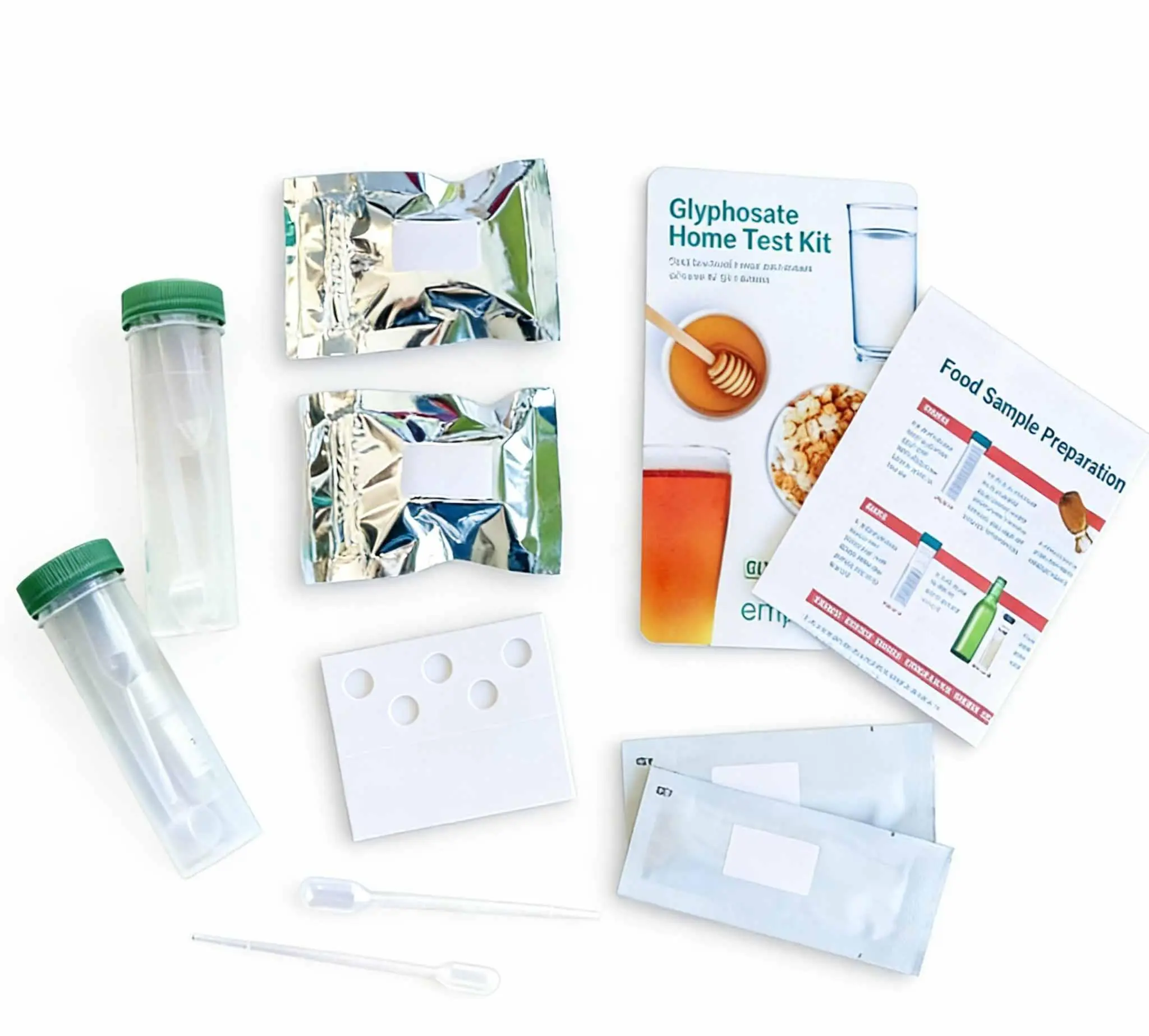
You can use a Glyphosate Rapid Test Card in just a few steps. The process is simple and does not require special tools.
- Collect your sample. You can use water, juice, or a food extract.
- Add the sample to the sample well on the test card. Use the dropper or pipette that comes with the kit.
- Wait for the liquid to move across the test strip. This usually takes a few minutes.
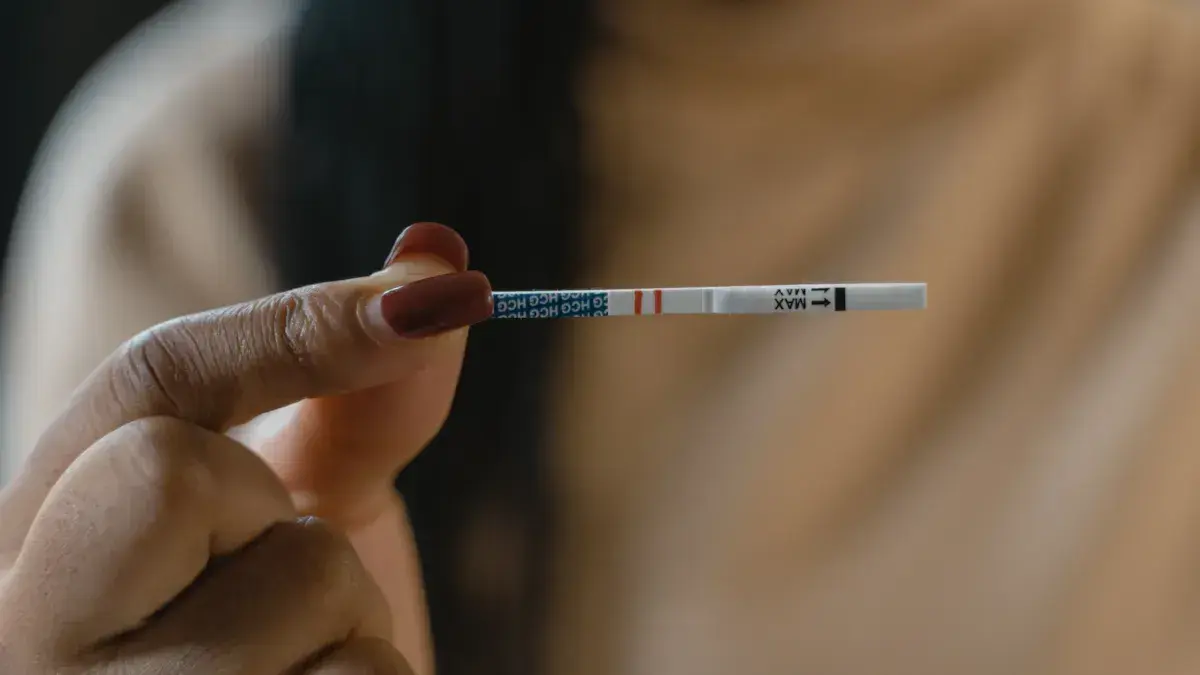
- Watch for the appearance of lines in the result window.
Most Glyphosate Rapid Test Card kits include clear instructions. You do not need lab equipment or advanced training. The test works best at room temperature and on a flat surface.
Reading Results
You can read the results by looking at the lines on the test card. The card usually has a control line and a test line.
To interpret glyphosate results, first compare the reported value to the laboratory’s reference or detection limits. Distinguish between detectable and non-detectable levels, and consider the absolute number in relation to health-based guidance. For urine tests, adjust values for dilution, and for blood/serum, note the timing since last exposure. If AMPA is included, evaluate it alongside glyphosate for a complete exposure assessment. A single elevated result indicates exposure but does not imply harm; clinical relevance depends on various factors including timing and symptoms.
If you see both the control line and the test line, your sample may have little or no glyphosate. If the test line is faint or missing, your sample may have higher levels of glyphosate. Always check the instructions for your specific test card, as the meaning of the lines can vary.
You can get results from a Glyphosate Rapid Test Card in just a few minutes. Some tests that use lab analysis can take days, but the rapid test card gives you answers fast.
| Test Type | Turnaround Time |
|---|---|
| Glyphosate Rapid Test Card | Results in minutes |
| Glyphosate Water Test (Lab) | Results typically within 3-5 business days after sample receipt |
With this card, you can make quick decisions about your food, water, or environment.
Benefits and Applications
On-Site Testing
You can use a Glyphosate Rapid Test Card almost anywhere. You do not need special training or expensive equipment. The card fits in your pocket and works in the field, at home, or in a classroom. You get results in minutes, so you can make decisions right away. Many people like these cards because they are easy to use and cost less than lab tests.
| Advantage | Description |
|---|---|
| Rapid Results | On-site testing provides immediate results, allowing for quick decision-making. |
| Cost-Effectiveness | These kits are generally less expensive than sending samples to a laboratory. |
| Ease of Use | Minimal equipment and technical expertise are required, making them accessible to various users. |
- Fast results help you act quickly.
- You do not need laboratory experience.
- The cards are portable and easy to store.
Low-Level Detection
You can trust the Glyphosate Rapid Test Card to find even tiny amounts of glyphosate. The card can detect glyphosate at levels as low as 0.0314 micrograms per liter. It can measure amounts down to 0.1048 micrograms per liter. This means you can spot contamination before it becomes a bigger problem. Early detection helps you protect your health and the environment.
Tip: If you want to prevent risks, use the test card often. You can catch low contamination early and avoid bigger issues.
Agricultural and Environmental Uses
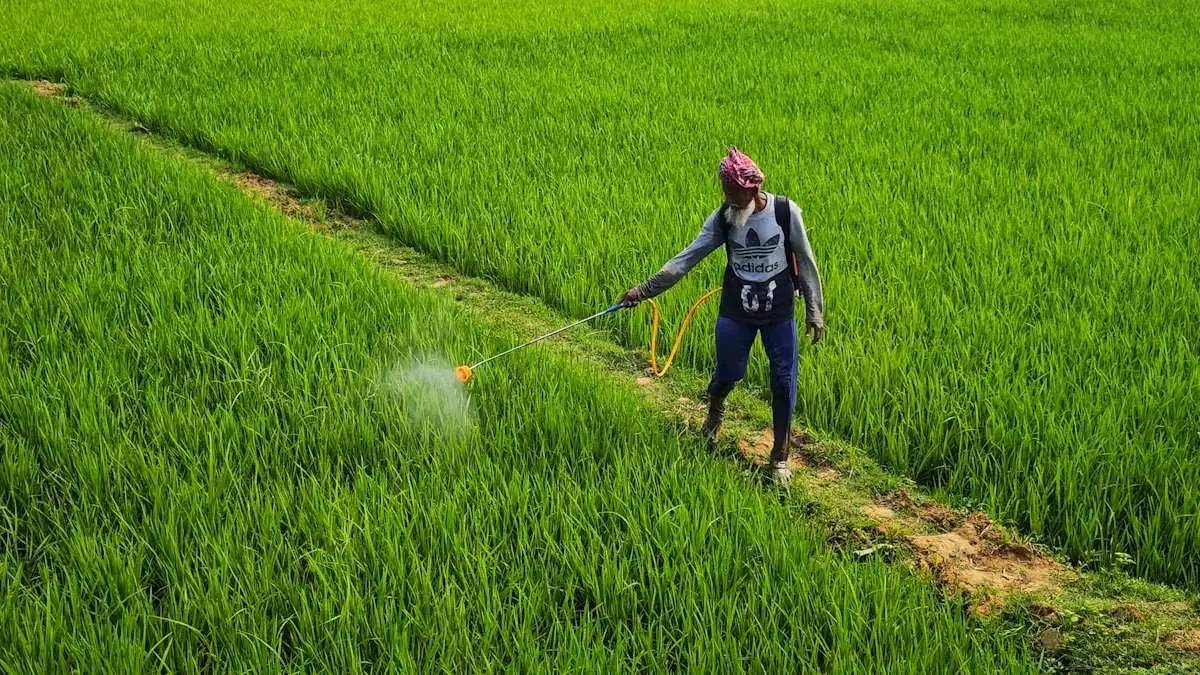
Farmers, gardeners, and scientists use these cards to check crops, soil, and water. You can test your produce before selling it. You can check water sources for safety. If you work in agriculture, you can monitor fields and make sure you follow safety rules. Environmental groups use the cards to track pollution and protect wildlife.
- You can test soil and water for glyphosate.
- You can check food for safety.
- You can support clean farming and healthy ecosystems.
The Glyphosate Rapid Test Card gives you a simple way to monitor your surroundings. You can use it to make smart choices and keep your environment safe.
Testing Methods Comparison
Rapid Test Card vs. Lab Tests
You may wonder how a Glyphosate Rapid Test Card compares to traditional laboratory testing. Both methods help you find glyphosate, but they work in different ways. You can see the main differences in the table below:
| Feature | Glyphosate Rapid Test Cards | Laboratory-Based Testing Methods |
|---|---|---|
| Turnaround Time | Under 15 minutes | Longer, varies by lab |
| Accuracy | Challenges in achieving lab-level accuracy | Higher accuracy, validated by COA or third-party data |
You can use a rapid test card and get results in less than 15 minutes. Lab tests take longer because you must send your sample to a lab and wait for experts to finish the analysis. Lab tests give you more accurate results. They use advanced machines and follow strict rules. You may need lab results for official reports or when you want the highest accuracy.
Strengths and Limitations
You can choose the best method for your needs by knowing the strengths and limits of each approach.
Strengths of Rapid Test Cards:
- You get results quickly.
- You can test samples anywhere, even in the field.
- You do not need special training or equipment.
Strengths of Lab Tests:
- You receive highly accurate and reliable results.
- You can detect very low levels of glyphosate.
- You can use results for legal or regulatory purposes.
Limitations of Rapid Test Cards:
- Limited sensitivity and specificity compared to laboratory methods.
- Potential for cross-reactivity with other compounds, leading to false results.
- Requires strict adherence to manufacturer instructions for accurate outcomes.
- Note: You should use a Glyphosate Rapid Test Card for quick checks or when you need answers right away. Choose lab tests when you need the most precise results or must meet strict rules.
You can use a Glyphosate Rapid Test Card to check for glyphosate quickly and easily. This tool uses advanced science to give you results in minutes. Studies show that these cards work well for real food samples and help you monitor safety in real time. Farmers, families, and environmental groups all benefit from fast answers. You can trust this card to support healthy choices and safe environments.
FAQ
How accurate is a Glyphosate Rapid Test Card?
You can trust the card for quick checks. It gives you a good idea if glyphosate is present. For the most precise results, you should use a laboratory test.
Can you use the test card on any food or water sample?
You can use the card on many foods and water samples. Always follow the instructions for best results. Some foods may need special preparation.
What should you do if you get a positive result?
You should avoid eating or using the sample. You may want to send it to a lab for more testing. This helps confirm the result.
How should you store the test cards?
You should keep the cards in a cool, dry place. Do not freeze them. Check the expiration date before use.
Is the test card safe for home use?
Yes, you can use the card safely at home. The kit does not contain harmful chemicals. Always wash your hands after testing.