
 +86-18343147735



0102030405
What is the Feline Leukemia Virus Antigen Test and How Does It Work
2026-05-09
The Feline Leukemia Virus Antigen Test helps you find out if your cat carries the Feline Leukemia Virus. This test gives you a clear answer so you can act quickly. Early detection means you can help your cat live a longer and healthier life. You can monitor your cat’s health, start treatment sooner, and improve their quality of life. Some cats with regressive infections can live normal lives for years. Staying alert to your cat’s health changes makes a big difference.
Key Takeaways
- The Feline Leukemia Virus Antigen Test detects the p27 antigen in your cat's blood, helping identify if your cat has the virus early.
- Early detection allows for timely treatment, improving your cat's health and quality of life.
- Choose a point-of-care test for quick results during your vet visit, or a laboratory plate test for confirmation if needed.
- Stay alert for your cat's health changes and retest if exposure to the virus is suspected or if symptoms develop.
- Regular testing and proactive care are essential for keeping your cat and other pets safe from FeLV.
Feline Leukemia Virus Antigen Test Overview
What the Test Detects
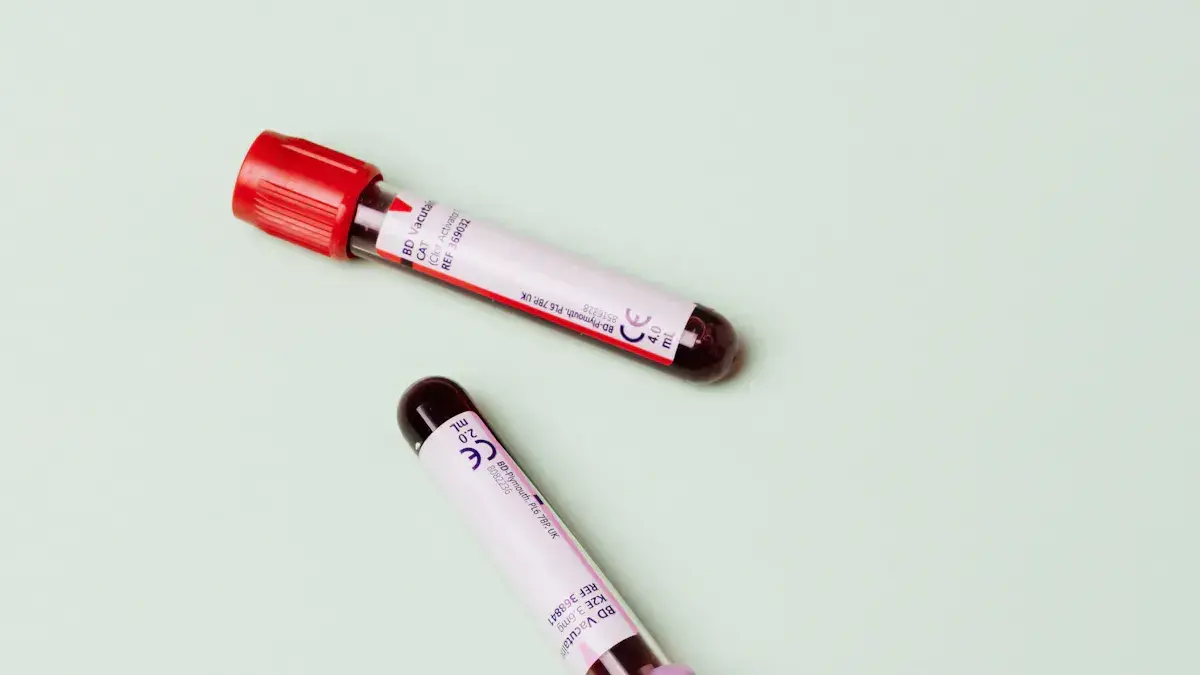
You use the Feline Leukemia Virus Antigen Test to find out if your cat has the Feline Leukemia Virus. This test looks for a special protein called the p27 antigen. The p27 antigen appears in your cat’s blood when the virus is active. If your cat has a progressive infection, the p27 antigen shows up during the viraemic phase. This makes it easier for you and your veterinarian to spot the virus early and plan the best care for your cat.
The p27 antigen serves as a crucial marker for identifying Feline Leukemia Virus (FeLV) in cats, especially during progressive infections. Point-of-care tests can detect this antigen during viraemic phases, which is essential for diagnosing FeLV and managing the health of affected cats.
You can trust the Feline Leukemia Virus Antigen Test to help you catch the virus before your cat shows serious symptoms. Early detection gives you more options for treatment and helps you protect other cats in your home.
Types of FeLV Tests
You have two main types of tests to choose from when checking for FeLV. Both tests use blood samples because blood gives the most accurate results. You can ask your veterinarian to use either a point-of-care test or a laboratory plate test.
| Test Type | Methodology Description | Accuracy Metrics (Sensitivity/Specificity) |
|---|---|---|
| Point-of-Care (POC) Test | Utilizes a rapid immunoassay format with bidirectional flow and enzymatic amplification. | High sensitivity and specificity reported. |
| Laboratory Plate Test | Employs ELISA methods with a multi-step process including screening and confirmation. | Generally lower sensitivity compared to POC tests. |
Point-of-care tests work quickly and give you answers during your visit. These tests use a special method that finds the p27 antigen fast. Laboratory plate tests use a more complex process called ELISA. This method takes longer and usually has lower sensitivity than point-of-care tests. You get the most reliable results when you use blood samples instead of saliva or other fluids.
If you want fast and accurate results, you should ask for a point-of-care test. If your veterinarian needs to confirm the results or check for other issues, they may use a laboratory plate test. Both tests help you understand your cat’s health and make smart choices for their care.
How the Test Works
Testing Process
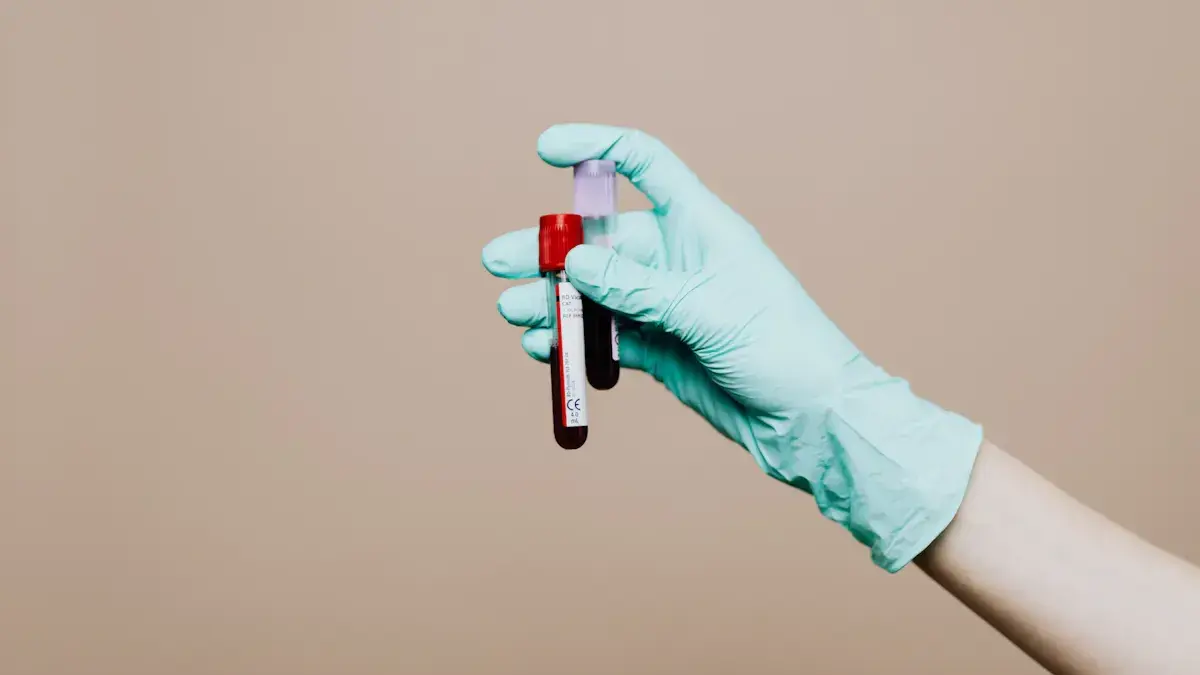
You want to know what happens when your veterinarian runs a Feline Leukemia Virus Antigen Test. The process starts with collecting a blood sample from your cat. This step needs careful preparation to keep your cat calm and safe. Here is what you can expect:
- Prepare for Blood Collection: The veterinary team gets ready by gathering all the tools they need. They use clean needles, syringes, and special tubes for blood collection. The team also checks your cat’s identity and tries to keep your cat relaxed.
- Choose a Blood Collection Site: The jugular vein in your cat’s neck is a common spot. This vein is large and easy to find, which helps the team collect enough blood quickly.
- Collect the Blood Sample: The veterinarian or technician draws a small amount of blood. An assistant may help hold your cat still during this step.
- Run the Test: The blood sample goes into a test kit or gets sent to a laboratory. The Feline Leukemia Virus Antigen Test looks for the p27 protein, which is a part of the virus.
- Detect the Virus: The test uses special methods to find the p27 antigen. The most common method is called ELISA. This test can find the virus in your cat’s blood, even in the early or late stages of infection. Another method, called IFA, checks for the p27 protein inside your cat’s white blood cells and platelets. This helps your veterinarian know if the infection is getting worse.
- Tip: Blood samples give the most accurate results. Saliva or tears do not work as well for this test.
Timing and Accuracy
You may wonder how soon the Feline Leukemia Virus Antigen Test can show a positive result after your cat gets infected. The test usually detects the p27 antigen about 30 days after your cat first catches the virus. This means you might not see a positive result right away if your cat was exposed recently.
The test does not react to vaccines. If your cat has had a Feline Leukemia Virus vaccine, the test will not show a false positive. This is because the test looks for the p27 antigen, which only appears during a real infection. Vaccinated cats may have low levels of other antibodies, but these do not affect the test result.
- The Feline Leukemia Virus Antigen Test gives you a reliable answer about your cat’s infection status.
- You should know that early testing may not catch very recent infections. If you suspect exposure, your veterinarian may suggest retesting after a few weeks.
- Note: The test helps you and your veterinarian make smart choices about your cat’s health. Early detection means you can protect your cat and other pets at home.
Test Results
Positive Result
When you receive a positive result from the Feline Leukemia Virus Antigen Test, you may feel worried. This result means the test found the p27 antigen in your cat’s blood. However, a positive test does not always confirm that your cat has a long-term infection. You should know several things can cause a positive result:
- Your cat may have a true infection and carry the virus.
- Some cats test positive during a short phase of infection but later fight off the virus and test negative.
- False positives can happen, especially in cats that do not have a high risk of infection.
- The test is not perfect and sometimes gives a positive result even when a cat is not truly infected.
- If your cat tests positive, your veterinarian will likely suggest more tests to confirm the diagnosis. You should not make decisions based on a single test result.
Negative Result
A negative result means the test did not find the p27 antigen in your cat’s blood. This usually suggests your cat does not have an active FeLV infection. However, timing matters. If your cat was exposed to the virus recently or shows signs of illness, you should retest after 30 days. Some cats may not show a positive result right away after exposure.
Always talk to your veterinarian if your cat has symptoms or if you think your cat was exposed to FeLV. Retesting helps you get the most accurate answer.
Inconclusive Result
Sometimes, the test result is unclear or falls between positive and negative. This is called an inconclusive result. You may see this if the blood sample was not handled properly or if your cat is in the early or late stage of infection. Your veterinarian may recommend repeating the test or using a different type of test to get a clear answer.
- Inconclusive results do not give you a final answer.
- Follow your veterinarian’s advice for the next steps.
Reliability
Accuracy Factors
You want to trust the results of the Feline Leukemia Virus Antigen Test. Several factors affect how accurate the test is. The sensitivity and specificity of each test kit can vary. You can see the differences in the table below:
| Test Kit | Sensitivity | Specificity |
|---|---|---|
| Vet Expert | 100% | 100% |
| SNAP | 100% | 100% |
| Fassisi | 95-100% | 41% |
You should follow strict instructions when handling samples. Proper sample management helps you get reliable results. If you use the Vetscan test kit, you can store serum or plasma at 2-7 °C for up to 7 days. For longer storage, freeze samples at -20 °C or colder. This prevents degradation and keeps the test accurate.
- Always use fresh samples when possible.
- Avoid repeated freeze and thaw cycles.
- Keep samples at the right temperature.
- Tip: Consistent sample handling gives you the best chance for accurate results.
Limitations
You need to know the limits of the test. False positives and false negatives can happen. Some test kits show high sensitivity and specificity, but results may still differ between tests. For example, the ViraCHEK assay has sensitivity of 94.9% and specificity of 98.4%. Sometimes, a sample tests positive in one kit but negative in another. This means you should confirm results before making big decisions.
Co-infections or other health problems can affect the test. Cats with Mycoplasma infections may show unusual results. The immune response changes when your cat has other illnesses. One test may not always show the true infection status.
- You should confirm positive results with another test.
- False negatives can delay care and increase risk for other cats.
- Always talk to your veterinarian if you have doubts.
- Note: The test gives you important information, but you must use it with other facts about your cat’s health.
Next Steps
After a Positive Test
If your cat tests positive, you can take steps to help them live a better life. You should focus on keeping your cat healthy and comfortable. Here are some ways to manage a positive result:
- Use calming products like FELIWAY® to reduce stress in your cat’s environment.
- Give your cat high-quality food and ask your veterinarian for the best diet plan.
- Watch your cat closely and take them to the veterinarian right away if they seem sick.
- Stay informed about new treatments for Feline Leukemia Virus. Your veterinarian can share updates with you.
- Connect with other cat owners who have experience caring for cats with FeLV. They can offer support and advice.
- Remember, many cats with FeLV can still enjoy happy lives with the right care and attention.
After a Negative Test
A negative result from the Feline Leukemia Virus Antigen Test usually means your cat does not have an active infection. You should still stay alert, especially if your cat may have been exposed to the virus recently. Here are some important steps:
- If you think your cat was exposed, plan to retest after 30 days. This helps make sure the result is accurate.
- Keep your cat indoors to lower the risk of future exposure.
- Talk to your veterinarian about vaccines and other ways to protect your cat.
- Staying proactive helps you keep your cat safe and healthy.
When to Retest
You may need to retest your cat in certain situations. If your cat had possible exposure to FeLV, retesting after 30 days gives you a clearer answer. You should also retest if your cat develops new symptoms or if your veterinarian recommends it. Regular check-ups and open communication with your veterinarian help you catch any changes early.
Retesting at the right time gives you peace of mind and helps you make the best choices for your cat’s health.
You play a vital role in your cat’s health by using the Feline Leukemia Virus Antigen Test. Early diagnosis helps you control the spread of the virus and improves your cat’s long-term outcome.
- Regular testing protects cats in multi-cat households and shelters.
- Isolate positive cats to prevent transmission.
- Provide a quiet place, good nutrition, and prompt veterinary care.
- Test new cats before introducing them to your home.
- Screen kittens up to one year of age.
- Stay informed about FeLV and seek support from other caregivers.
- Routine testing and proactive care help you keep your cat safe and healthy.