
 +86-18343147735




0102030405
How Infectious Disease Test Kits Improve Early Diagnosis and Patient Outcomes
2026-05-18
You can make a big difference in patient care when you use an infectious disease test kit that delivers quick, reliable results. Modern test kits use advanced technology, like microfluidics and isothermal amplification, so you get answers in minutes. These tools are easy to use and help you start treatment sooner, which reduces complications for patients.
| Evidence Type | Description |
|---|---|
| Diagnostic Test Accuracy | Small biases in test accuracy can significantly alter epidemic predictions and public health decisions. |
| Impact on Public Health | Accurate tests influence the estimation of undetected cases, affecting intervention strategies. |
| Timing of Interventions | Effective interventions depend on timely deployment based on accurate diagnostic data. |
- Point-of-care diagnostics give you rapid, decentralized testing.
- You can act on results quickly, reducing the risk of patients being lost to follow-up.
- These technologies help expand healthcare delivery, even in remote areas.
Key Takeaways
- Infectious disease test kits provide quick results, allowing for faster treatment and better patient outcomes.
- Early diagnosis can prevent serious health complications and save lives by enabling timely interventions.
- Point-of-care testing increases access to diagnostics, especially in remote areas, improving overall public health.
- Using rapid tests can lower healthcare costs by reducing hospital stays and preventing severe disease progression.
- Community screening with rapid tests helps control outbreaks and protects public health by identifying infections early.
Early Diagnosis in Infectious Diseases
Importance of Early Detection
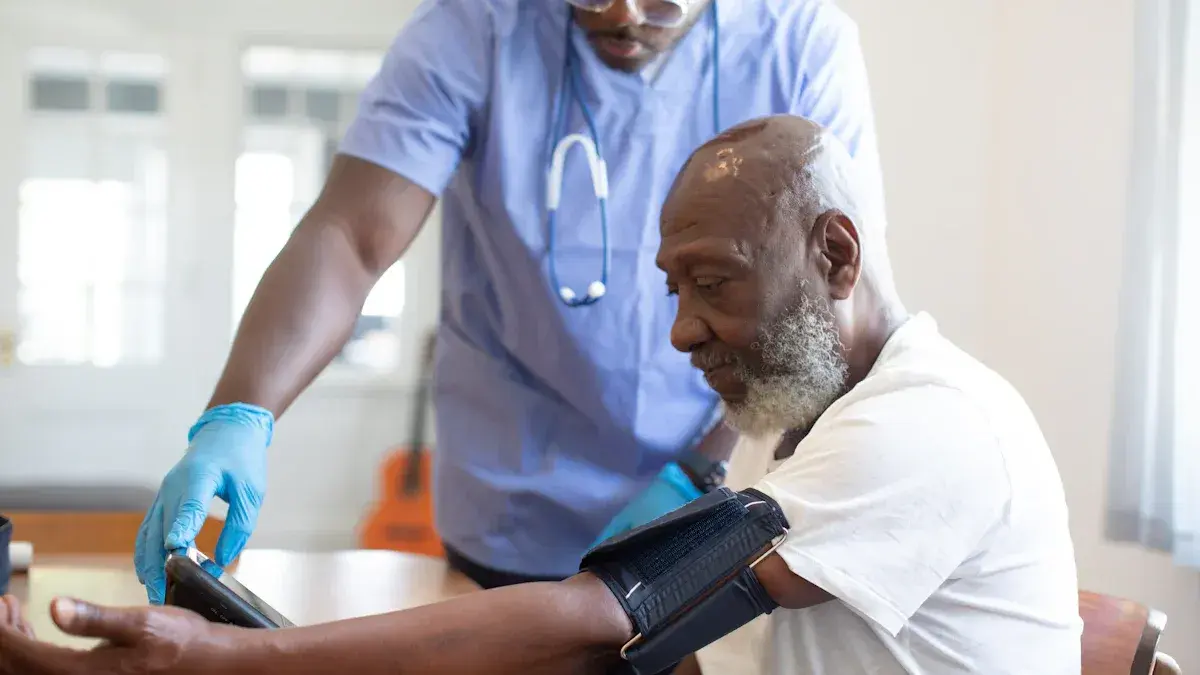
You play a key role in stopping the spread of infections when you act quickly. Early detection helps you start treatment before the disease gets worse. When you use an infectious disease test kit, you can get results fast and make decisions that protect both your patients and the community. Quick action can lower the risk of serious health problems and even save lives.
Tip: Early diagnosis means you can treat infections before they cause more harm. This leads to better outcomes for everyone.
Here is a table that shows why early detection matters:
| Evidence Description | Impact on Early Detection |
|---|---|
| Delayed diagnosis can lead to serious complications in diseases like endocarditis. | Highlights the critical need for timely diagnosis to prevent worsening patient conditions. |
| Short delays can increase morbidity significantly. | Emphasizes the importance of rapid detection to reduce health risks. |
| Significant increase in mortality associated with delays in diagnosis for infections. | Underlines the life-threatening consequences of not detecting infections early. |
| Quick results from test kits help in faster treatment and disease control. | Supports the role of early detection in improving patient outcomes and public health. |
| Rapid testing can reduce infections by up to 16.9%. | Demonstrates the effectiveness of early detection in controlling disease spread. |
| Public health strategies like testing reduce transmission of contagious diseases. | Reinforces the importance of early detection in managing public health crises. |
Clinical research shows that early diagnosis improves patient prognosis. For example, studies on bloodstream infections found that patients who received quick testing and treatment had better outcomes. In COVID-19 cases, people with other health problems did better when they got tested and treated within four days of symptoms starting.
Risks of Delayed Diagnosis
If you wait too long to diagnose an infection, the risks grow quickly. Delays can lead to more severe illness, longer hospital stays, and even death. Some diseases, like endocarditis or bloodstream infections, become much harder to treat if you do not catch them early.
| Study Focus | Findings |
|---|---|
| Diagnostic delays in infectious diseases | Delays are a major source of morbidity and mortality, particularly for diseases like endocarditis and epidural abscesses. Even short delays can increase morbidity. |
| Information Delay and Mortality in Bloodstream Infections | Significant increase in 30-day mortality associated with delays in diagnosis for bloodstream infections caused by fast-growing microorganisms. |
You may face barriers to early diagnosis, such as limited healthcare infrastructure, high costs, or cultural beliefs. An infectious disease test kit helps you overcome many of these challenges by providing fast, reliable results, even in places with fewer resources.
- Inadequate healthcare infrastructure can slow down diagnosis.
- High costs may stop people from getting tested.
- Cultural perceptions sometimes make people avoid testing.
- Technical issues can lead to mistakes if users do not have enough training.
When you use rapid test kits, you help patients get the care they need sooner and reduce the spread of disease in your community.
Infectious Disease Test Kit Technology
Rapid and Accurate Detection
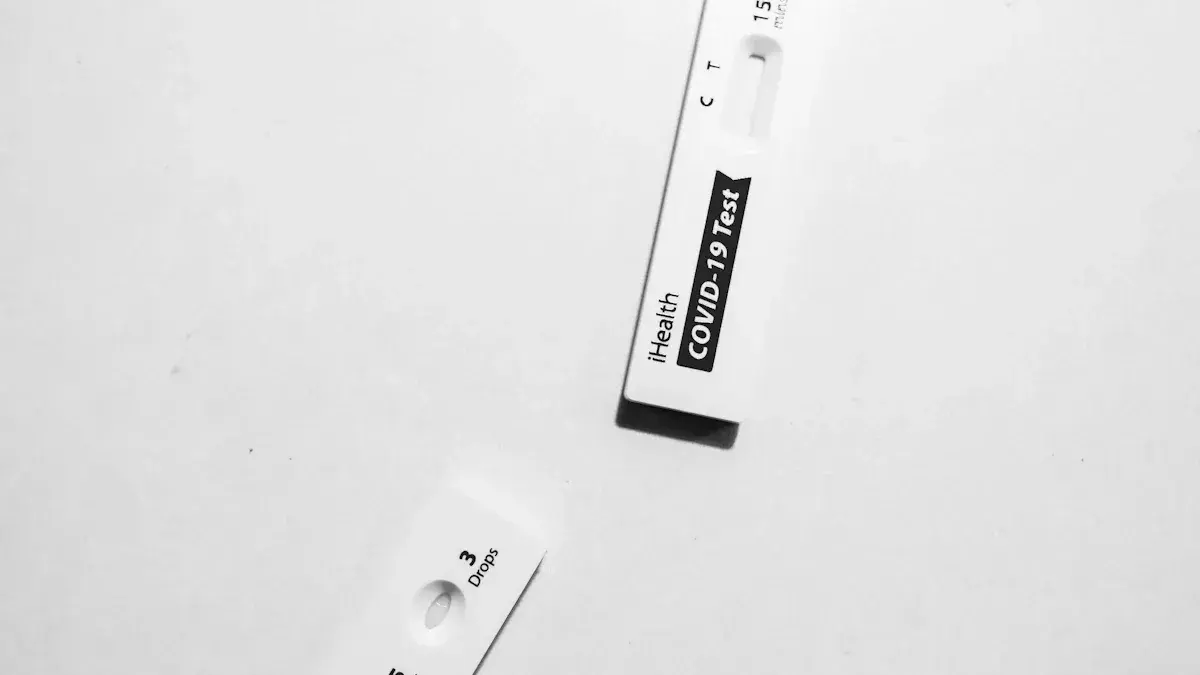
You can rely on infectious disease test kits to deliver fast and trustworthy results. These kits use immunoassay technology, which works by mixing your sample with chemicals that react to specific antigens or antibodies. The process starts with a sample pad, moves through a conjugation pad, and finishes on a nitrocellulose membrane. If the test finds the infection, you see a colored line appear. This clear signal helps you make quick decisions.
You get results in minutes, not days. The Syphilis Antibody Rapid Test, for example, shows results in less than half an hour. You can compare this speed to traditional laboratory tests, which often take one to three days. The table below shows the difference:
| Method | Average Turnaround Time |
|---|---|
| Modern Test Kits | 15 to 30 minutes |
| Traditional Laboratory Tests | 24 to 72 hours |
These kits also offer high sensitivity and specificity. Antigen tests work best in the first week of infection, while antibody tests become more accurate as time passes. Nucleic acid-based tests, like RT-PCR, are known for their reliability. You can trust these kits to detect diseases like HIV, Dengue, Tuberculosis, Syphilis, Typhoid, COVID-19, STDs, and tropical diseases.
Note: Rapid detection means you can start treatment sooner and help prevent the spread of infection.
Accessibility for Healthcare Providers
You can use infectious disease test kits almost anywhere. The World Health Organization created an essential diagnostics list to help you access point-of-care testing in rural and remote areas. These kits do not require complex equipment or special training. You can use them in clinics, hospitals, or even in the field.
In places like rural Africa, malaria rapid tests have improved diagnosis rates. Local health workers can test patients right where they live. This approach reduces delays and helps you treat people faster. You can also screen for HIV and STDs, which improves follow-up and treatment access.
- Accessibility depends on how close you are to healthcare facilities and your community's needs.
- Affordable and relevant technology makes testing possible in low-resource settings.
- Point-of-care testing increases rates of HIV and malaria diagnosis.
- Screening for STDs becomes easier, and fewer patients are lost to follow-up.
Healthcare providers report high satisfaction with these kits. Patients also feel more connected to their providers and believe regular testing improves their health. The table below shows some statistics:
| Statistic | Percentage |
|---|---|
| Patients desiring a stronger relationship with their provider | 71% |
| Patients believing their health would benefit from a regular provider | 67% |
| Patients feeling the health system has failed them due to lack of focus on prevention | 19% |
You can see that infectious disease test kits help you reach more patients and provide better care. These tools make testing simple, fast, and reliable for everyone.
Patient Outcomes

Timely Treatment
You can help your patients get better faster when you use an infectious disease test kit. These kits give you results quickly, so you do not have to wait days for answers. When you know what infection your patient has, you can start the right treatment right away. This fast action lowers the chance of the disease spreading to others.
Here is a table that shows how early diagnosis and treatment improve outcomes for different diseases:
| Disease | Diagnostic Method | Impact on Outcomes |
|---|---|---|
| HIV | Rapid antibody/Ag-Ab tests | Increased testing uptake; earlier ART initiation; reduced loss-to-follow-up in LMICs. |
| Tuberculosis | Molecular NAAT | Faster diagnosis and treatment initiation; reduced transmission; improved case detection in peripheral clinics. |
You can see that quick testing leads to better care and fewer missed patients. Hospitals also report that fast and accurate diagnosis helps shorten hospital stays and lowers healthcare costs.
| Evidence Description | Impact on Hospital Stays |
|---|---|
| Infectious disease test kits provide fast results, enabling quicker treatment. | Reduces hospital stays and healthcare costs. |
| Fast and accurate diagnosis helps you get the right treatment quickly. | Lowers the risk of complications and helps recovery faster. |
| Reduces delays in care and makes healthcare more efficient. | Allows hospitals to treat more patients effectively. |
Reduced Complications
You can prevent many serious problems when you catch infections early. Using an infectious disease test kit helps you avoid the dangers of late-stage diagnosis. Here are some ways these kits reduce complications:
- Rapid and accurate results let you treat patients before the disease gets worse.
- Early detection helps you avoid severe health problems that come with late diagnosis.
- Hospitals can treat more patients well, which lowers costs for everyone.
Over the past 25 years, more children under age 5 have survived diseases like diarrhea and other infections. This improvement comes from better access to diagnostics, vaccines, and treatments. You can make a big difference by using these tools to save lives and keep your community healthy.
Tip: Early testing and treatment can lower the risk of death from preventable diseases.
Public Health Impact
Outbreak Control
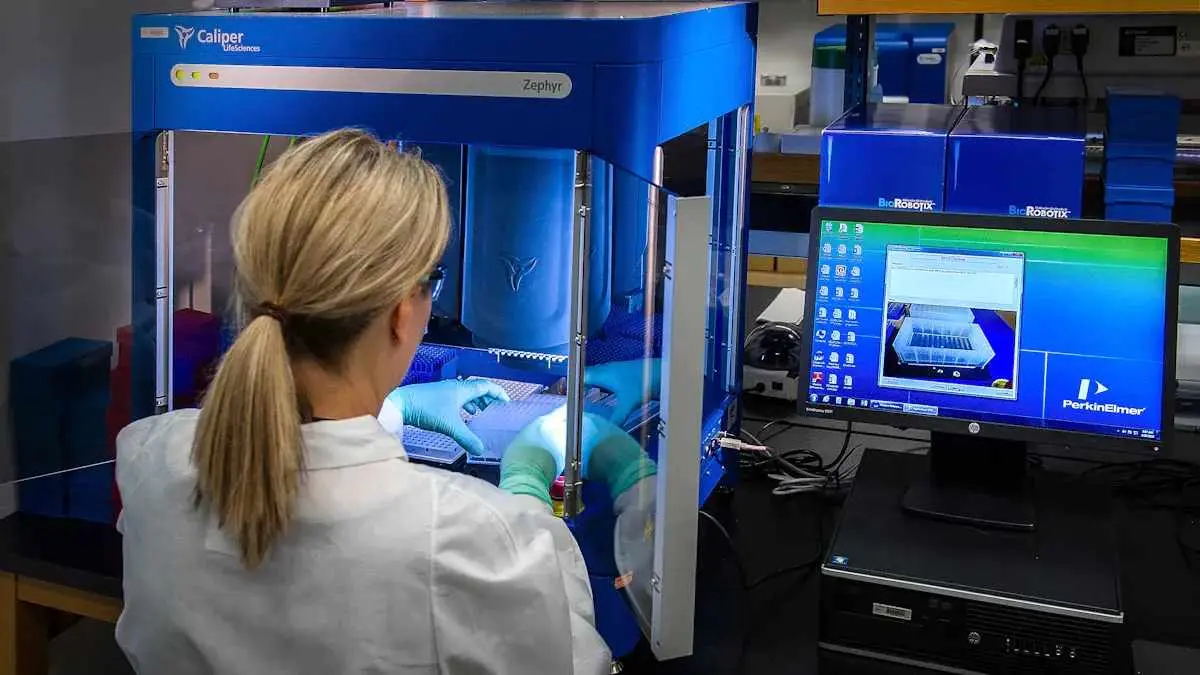
You can help stop the spread of disease when you use rapid testing. Infectious disease test kits let you find infections quickly, even before people show symptoms. This early detection means you can act fast to protect your community.
- Rapid tests help you spot outbreaks early, which is important for public health.
- You can test people who do not feel sick yet, so you catch cases that might go unnoticed.
- At-home testing keeps people from spreading germs in clinics or hospitals.
- You can start treatment right away, which helps stop the disease from spreading.
- These tests keep hospitals from getting too crowded during emergencies.
When you use these tools, you help your community stay healthy. For example, point-of-care molecular platforms let you diagnose tuberculosis in one visit. This reduces the time people can spread the disease and helps public health teams respond faster.
| Evidence Type | Findings | Impact on Health Outcomes |
|---|---|---|
| Community-based testing | Increased testing and earlier treatment for HIV | Reduced loss-to-follow-up, better care |
| POC molecular platforms | Same-visit diagnosis for TB | Shorter infectious period, faster response |
Tip: Early testing and quick action can stop outbreaks before they grow.
Lower Healthcare Costs
You can save money for both patients and the healthcare system by using infectious disease test kits. These tests reduce the need for expensive hospital stays and lower the cost of treating advanced diseases.
| Evidence Description | Impact on Healthcare Costs |
|---|---|
| HIV self-testing kits improve testing rates and reduce the burden of HIV in communities. | Leads to cost savings in healthcare systems. |
| Recommendations for integrating self-testing into prevention strategies have accelerated uptake in markets. | Enhances access to testing, contributing to lower costs. |
When more people use these tests, countries spend less on treating severe cases. The market for these kits is growing fast. In 2025, it was worth $14.8 billion. By 2034, experts expect it to reach $28.6 billion. This growth shows that more people trust and use these tests.
- Rapid tests help health systems save money by preventing large outbreaks.
- The COVID-19 pandemic showed that quick testing can lower costs and improve health for everyone.
You make a difference every time you use an infectious disease test kit. You help control outbreaks, save money, and keep your community safe.
Real-World Examples

Rapid Testing in Clinics
You see the power of rapid testing every day in clinics and hospitals. These tests help you make quick decisions that can change patient outcomes. Here are some ways you use rapid testing in real life:
- In emergency rooms, you use rapid diagnostic kits to tell if a patient has the flu or another illness. This helps you avoid giving antibiotics when they are not needed.
- During outbreaks, like COVID-19, you use rapid tests at community sites and airports. You find infected people fast and help stop the spread by starting quarantine right away.
- In places with few resources, you use portable test kits to check for diseases like malaria. Local health workers can test patients in the field, which means more people get the right care quickly.
These examples show how you can use an infectious disease test kit to improve care and protect your community.
Community Screening Scenarios
You also use rapid testing in community settings to keep people safe. Screening large groups helps you find infections early and stop outbreaks before they grow. Several key factors help you succeed with rapid testing in these environments:
| Key Factor | Description |
|---|---|
| Economic Benefits | Rapid test results can lead to reduced hospital stays, fewer clinic visits, and lower admissions. |
| Regulatory Standards | Following rules like CLIA keeps testing safe and reliable. |
| Expertise of Medical Professionals | Skilled professionals make sure tests are done right. |
| Effective Communication | Clear communication between healthcare workers helps the process run smoothly. |
| Integration of Diagnostic Processes | Making testing part of daily routines improves care and efficiency. |
You can see that when you use rapid testing in clinics or in the community, you help people get care faster and keep everyone safer.
You can see how an infectious disease test kit helps you find and treat illnesses early. Advanced technology gives you fast, accurate results. Public health groups recommend careful review, lab evaluation, and inspection to ensure quality.
| Component | Description |
|---|---|
| Review | Assessment of the product application and dossier |
| Laboratory Evaluation | Testing the product's performance in a lab setting |
| Inspection | Examination of the manufacturing site for quality control |
Rapid, easy testing protects both you and your community. Explore your options and see how these tools can improve healthcare for everyone.
FAQ
How do infectious disease test kits work?
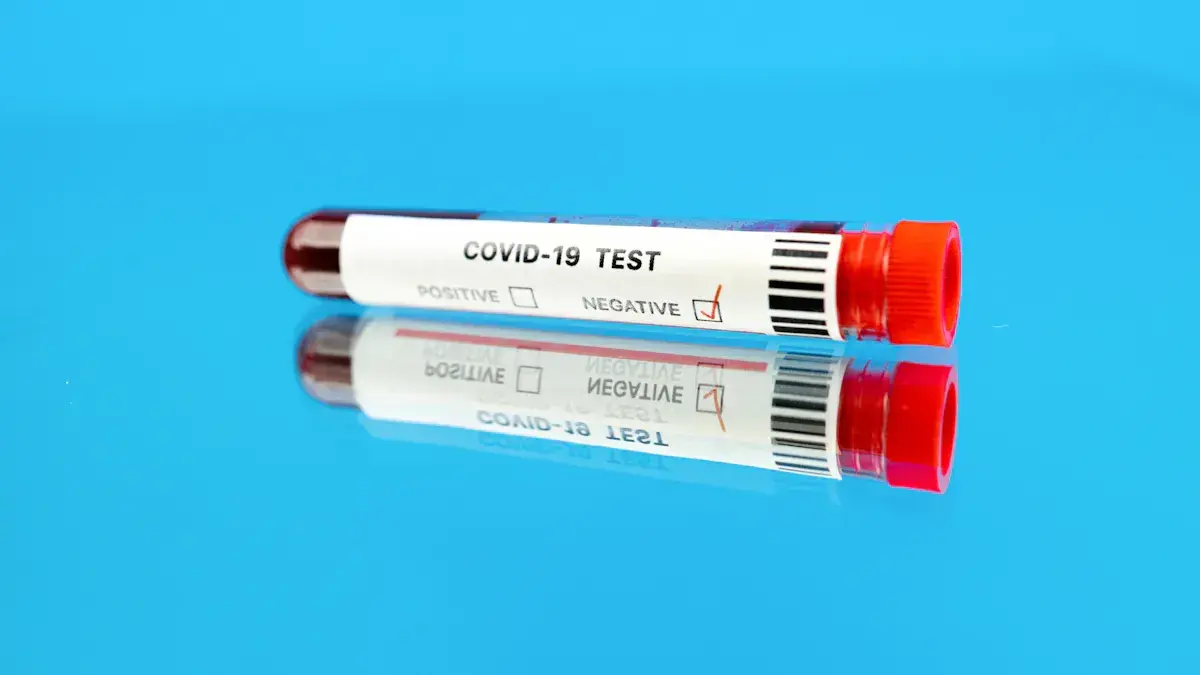
You collect a small sample, like blood or saliva. The kit uses chemicals to find signs of infection. If the test finds the infection, you see a colored line or symbol. You get results in minutes.
Are rapid test kits accurate?
You can trust most rapid test kits. They use advanced technology for high sensitivity and specificity. Always follow instructions for best results. For important decisions, ask your healthcare provider for advice.
What diseases can you detect with these kits?
You can test for HIV, Dengue, Tuberculosis, Syphilis, Typhoid, COVID-19, STDs, and tropical diseases. Some kits also check for markers related to heart health, fertility, or tumors.
Can you use these kits outside hospitals?
Yes! You can use many test kits in clinics, community centers, or even at home. They do not need special equipment. This makes testing easier for everyone.