
 +86-18343147735




0102030405
What Are Infectious Disease Tests and How Do They Work
2026-03-16
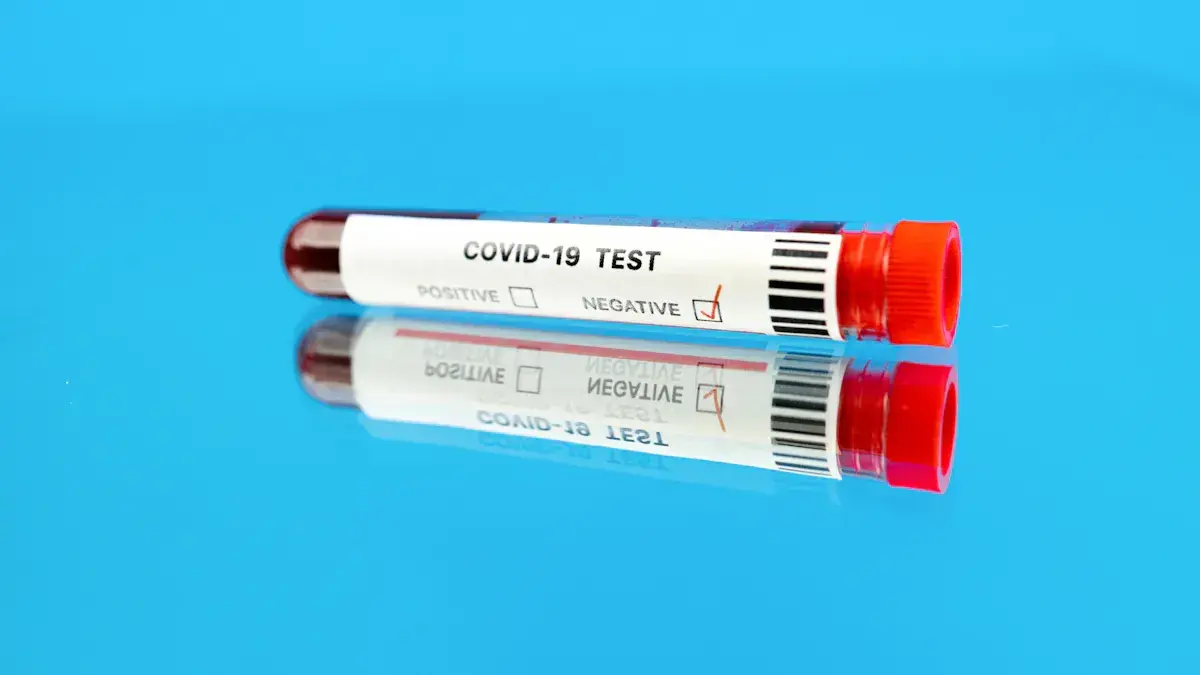
You use an Infectious Diease Test to determine if pathogens such as bacteria, viruses, fungi, protozoa, or helminths are present in your body. Infectious Diease Test helps safeguard your health and the well-being of your community. The global demand for Infectious Diease Test continues to increase as infections become more prevalent, particularly in hospitals and critical care units.
Common sample types for Infectious Diease Test include:
Infectious Diease Test also plays a vital role in public health surveillance by monitoring trends and helping control outbreaks.
Key Takeaways
- Infectious Disease Tests help identify harmful germs in your body, protecting your health and community.
- Different tests, like blood, urine, and swab tests, target specific infections and provide crucial information for diagnosis.
- Understanding how tests work, such as antigen and antibody tests, helps you know what your doctor is looking for.
- Choosing the right test depends on your symptoms, available options, and the expertise of your healthcare provider.
- Timely testing leads to faster treatment, reducing the spread of infections and improving overall health outcomes.
Types of Infectious Disease Tests
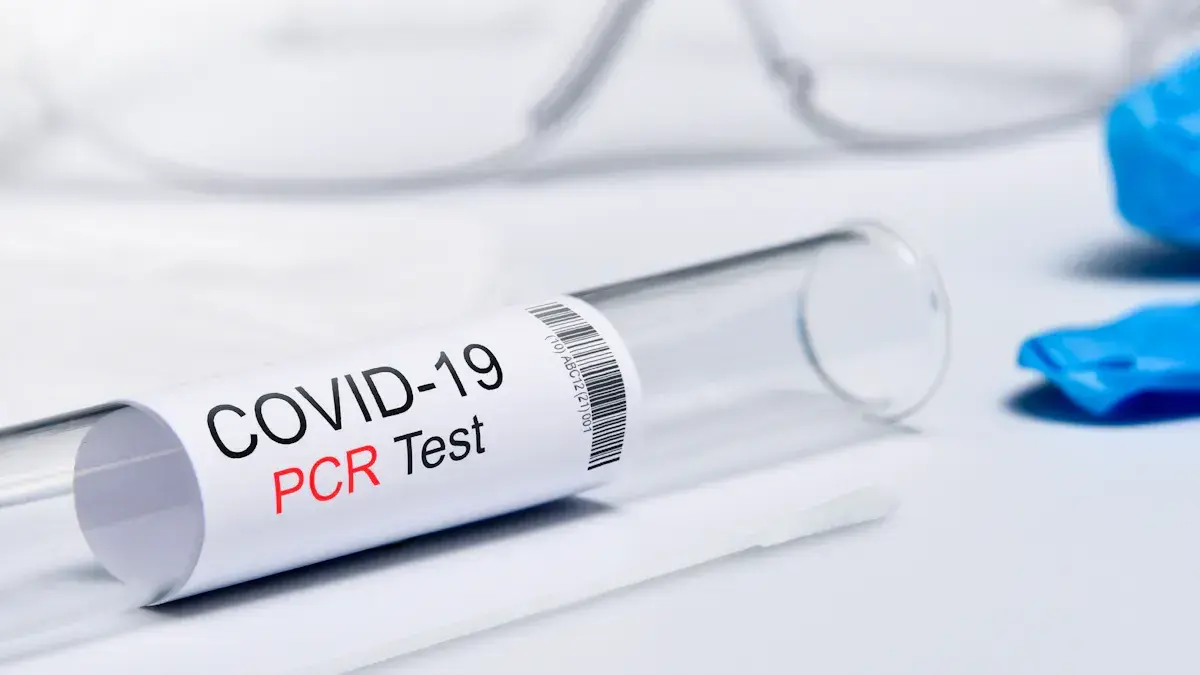
You can find many ways to check for infections. Each Infectious Disease Test looks for different signs of illness. Some tests look for the germs themselves. Others check how your body reacts to these germs. Here is a table that shows the main categories of tests you might see in a clinic or hospital:
| Test Category | Description |
|---|---|
| Physical Examinations | Initial assessment to note symptoms and signs of infection. |
| Blood Tests | Identify antigens and antibodies related to infections. |
| Urine Tests | Diagnose urinary tract infections using urine samples. |
| Stool Tests | Detect infections and conditions using stool samples. |
| Imaging Scans | X-rays and CT scans to visualize internal structures and detect infections. |
| Skin Tests | Used for specific infections like tuberculosis (TB). |
Physical and Visual Exams
Your doctor often starts with a physical exam. This step helps spot signs of infection, such as rashes, fever, or breathing problems. The doctor may ask about your recent travel or how your symptoms have changed. This information gives important clues before any lab test. Physical exams help guide which Infectious Disease Test you might need next.
Blood Tests
Blood tests play a big role in finding infections. These tests can look for antigens, which are parts of germs, or antibodies, which your body makes to fight infections. Blood tests can help find viruses, bacteria, and other germs. Some advanced blood tests use new technology, like Next-Generation Sequencing (NGS) or multiplex PCR assays. These methods can find many germs at once and give results quickly. You may need a blood test if you have a fever, feel very sick, or your doctor suspects a serious infection.
Urine and Stool Tests
Urine and stool tests help find infections in your urinary or digestive system. Doctors use urine tests to check for bacteria, viruses, fungi, or parasites that cause urinary tract infections. Stool tests can find germs that cause diarrhea or stomach pain. Here are some common germs found in urine and stool:
| Pathogen Type | Detection Method | Notes |
|---|---|---|
| Bacteria | mNGS | Finds over 120 bacteria, including hard-to-grow types. |
| Viruses | mNGS | Finds 35 viruses linked to urinary infections. |
| Fungi | mNGS | Finds 14 fungi that can infect the urinary tract. |
| Parasites | mNGS | Finds 4 parasites that may cause urinary infections. |
| Pathogen | Detection Method | Notes |
|---|---|---|
| Salmonella | Stool culture | Common in stool cultures. |
| Shigella | Stool culture | Common in stool cultures. |
| E. coli | Stool culture | Common in stool cultures. |
| Campylobacter | Stool culture | Common in stool cultures. |
| Clostridium difficile | Toxin A and B immunoassay, GDH assay | Tested in patients with certain risk factors. |
Other parasites found in stool tests include:
- Cryptosporidium
- Giardia
- Entamoeba histolytica
Swab and Skin Tests
Doctors use swabs to collect samples from your nose, throat, or wounds. These tests help find viruses like the flu or COVID-19, and bacteria that cause sore throats or skin infections. Skin tests, such as the one for tuberculosis (TB), check how your body reacts to a small amount of test material placed under your skin. If you have a cough, sore throat, or skin rash, your doctor may use these tests to find the cause.
Biopsies
Sometimes, doctors need to look at a small piece of tissue from your body. This is called a biopsy. Biopsies help find infections that do not show up in blood or urine. Two common ways to test biopsy samples are:
- Immunohistochemistry: This method uses special antibodies to find germs in the tissue. If the antibody sticks to the germ, a color change shows the infection.
- In situ hybridization: This test looks for the DNA or RNA of germs in the tissue. A special marker lights up if the germ is present.
Note: Biopsies are usually for hard-to-find infections or when other tests do not give clear answers.
Each Infectious Disease Test has a special role. Some tests work best for quick, acute infections. Others help find long-lasting, chronic infections. Your doctor will choose the right test based on your symptoms and health history.
How Infectious Disease Tests Work
Understanding how an Infectious Disease Test works helps you know what your doctor looks for and why each test matters. Each test uses a different method to find signs of infection in your body. Some tests look for the germs themselves. Others check how your immune system responds.
Pathogen Detection Methods
You can find germs in your body using several methods. Each method has its own strengths:
- You can use conventional methods, like growing bacteria in a lab. These methods need live germs and usually take overnight to show results.
- Molecular methods, such as PCR, do not need live germs. These tests can find tiny pieces of a germ’s DNA or RNA in just a few hours.
- Molecular techniques often find more infections than older culture methods.
- Some tests can spot many types of germs at once. This helps doctors choose the best treatment quickly.
When you use a test that keeps proteins in their natural shape, you get better results. Your body’s antibodies can recognize these proteins more easily. This means the test can measure all types of antibodies, not just the common ones like IgG and IgM. You get a clearer picture of your immune response. Doctors can then make better decisions about your care.
Antigen and Antibody Tests
Antigen tests look for pieces of the germ, like proteins or sugars, in your sample. If the test finds these antigens, you likely have an active infection. Antibody tests check if your body has made proteins to fight a germ. These proteins are called antibodies. If you have antibodies, it means you have been exposed to the germ, either now or in the past.
You can think of antigen tests as direct detection. They look for the germ itself. Antibody tests are indirect detection. They look for your body’s reaction to the germ. Both types of tests help doctors understand your infection, but they answer different questions.
Here is a table that shows some differences between direct and indirect detection:
| Limitation | Description |
|---|---|
| False positives | Results can be affected by background DNA contamination. |
| False negatives | Sometimes the test misses infections if it is not sensitive enough. |
| Detection sensitivity | Some tests find germs even when they are not causing disease. |
| Limited detection | Some tests have trouble finding many germs at the same time. |
Tip: PCR is a common method for finding the DNA of germs. It makes many copies of the DNA, so even a small amount can be detected.
Quantitative and Qualitative Assays
You may hear your doctor talk about quantitative or qualitative assays. These are two ways to measure infection:
- Qualitative assays tell you if a germ is present or not. The answer is usually “yes” or “no.”
- Quantitative assays measure how much of a germ is in your body. This helps doctors see if the infection is getting better or worse.
Both types of assays are important for managing your health. Molecular methods have made these tests faster and more accurate. Doctors can now find infections quickly and start treatment sooner. For some diseases, like HIV, measuring the amount of virus helps doctors track how well treatment works.
You also benefit from these tests because they help find new germs that doctors did not know about before. This improves public health and helps stop outbreaks.
Note: Labs use strict rules to make sure Infectious Disease Test results are correct. They check each test for accuracy and monitor the process closely. New tests need extra checks, especially for rare germs.
When and Why These Tests Are Used
Choosing the Right Test
You may wonder how doctors decide which test you need. They look at many factors to make the best choice for you:
- Your symptoms and the type of illness you have
- Which tests are available at your clinic or hospital
- Where you receive care, such as in a hospital or at home
- The experience and knowledge of your healthcare provider
- How well the test works for your situation
- How to read and understand the test results
- Guidelines from medical experts
- The cost of testing and if your insurance covers it
Doctors want to pick the test that gives you the most useful information. They also think about how quickly you need results and how much the test costs. Newer tests may cost more, but they can help you get better faster and may save money by reducing hospital stays.
Interpreting Results
After you take an Infectious Disease Test, your doctor will look at your results along with your symptoms and health history. The way your sample is collected matters. For example, swabbing your nose or throat, collecting blood, urine, or stool, or even taking a biopsy can all affect the results.
Doctors also consider:
- If your symptoms match the disease they are testing for
- When you got sick and when the sample was taken
- How accurate the test is compared to other tests
If you get tested soon after symptoms start, the results are usually more reliable. Some tests work better than others, so your doctor may use more than one test to be sure.
Role in Diagnosis and Treatment
Infectious disease tests help your doctor find out what is making you sick and how to treat you. These tests can lead to faster diagnosis and better care. Here is a table showing how tests can change outcomes for different diseases:
| Disease Area | Impact on Diagnosis and Treatment Outcomes |
|---|---|
| Central Nervous System Infection | Rapid NAAT for HSV encephalitis is as sensitive as brain biopsy, leading to shorter hospital stays and reduced antibiotic use. |
| Sepsis | Early identification and appropriate antimicrobial therapy improve outcomes, reducing the incidence of inadequate treatment. |
| Test Availability | Poor performance of some tests limits their utility, emphasizing the need for better diagnostic assays to improve patient management. |
When you get the right test, you can start treatment sooner and avoid medicines you do not need. This helps you recover faster and keeps others safe from infection.
Imaging and Scans for Infections

Imaging and scans help your doctor see inside your body to find signs of infection. These tools work alongside lab tests to give a full picture of your health. You may need imaging if your symptoms are hard to explain or if your doctor wants to check for hidden infections.
Types of Imaging
Doctors use several imaging techniques to look for infections. Each method has its own strengths. Here is a table that shows the most common types:
| Imaging Technique | Description |
|---|---|
| Conventional Radiography | Shows thickening in soft tissues and finds foreign objects. |
| Magnetic Resonance Imaging | Gives detailed images of soft tissues and helps spot infections early. |
| Computed Tomography (CT) | Detects abnormal fluid, abscesses, and gas in tissues. |
| Ultrasound | Non-invasive; helps find abscesses and guides needle procedures. |
| Nuclear Medicine (SPECT/PET) | Shows how infection affects your body, not just the structure. |
You may get an ultrasound if you need a quick check at your bedside. CT scans work well for finding fluid collections in your belly. MRI gives clear pictures of soft tissue problems.
What Imaging Detects
Imaging can find many types of infections. It helps doctors see where the infection is and how serious it might be. Here is a table with examples:
| Imaging Technique | Application in Infectious Conditions |
|---|---|
| CT | Finds abscesses and fluid in the abdomen. |
| MRI | Detects soft tissue infections caused by bacteria. |
| Ultrasound | Spots liver or gallbladder infections. |
| PET/CT, PET/MRI | Locates infection sites, even when other tests are unclear. |
Imaging works best for infections that cause swelling or fluid. It may not show viral infections well because these often do not cause fluid buildup. Doctors use imaging for problems like pneumonia, fever with no clear cause, or infections in the heart or joints.
When Imaging Is Needed
You may need imaging if your doctor cannot find the cause of your fever or if you have a device, like a joint replacement, that could get infected. Imaging also helps when you have unusual symptoms or when lab tests do not give clear answers. Here is a table with common situations:
| Clinical Situation | Imaging Technique |
|---|---|
| Fever of unknown origin | PET/CT, MRI, Ultrasound |
| Endocarditis (heart infection) | PET/CT, Ultrasound |
| Prosthetic joint infection | PET/CT |
| Soft tissue infection | MRI |
| Bedside infection check | Ultrasound |
Tip: Imaging helps your doctor plan treatment and check if your infection is getting better. It can also guide procedures, like draining an abscess, to help you heal faster.
You have learned that an Infectious Disease Test helps you find out what is making you sick. These tests give you and your doctor important answers for quick and targeted treatment. Here are some key benefits:
| Benefit | Description |
|---|---|
| Timely Intervention | Early detection leads to faster care and less spread of infection. |
| Targeted Therapy | Knowing the germ helps you avoid unnecessary antibiotics. |
| Data-Driven Response | Tests support public health and help stop outbreaks. |
Understanding these tests can lower your worry and help you make better health choices. Always talk to your healthcare provider if you have symptoms or concerns.