
 +86-18343147735


0102030405
How to Use a Chloramines Test Kit for Water Quality Testing
2026-03-23
You can use a Chloramines test kit to check your water for chloramines, which help disinfect water in many cities. Accurate sampling and careful steps give you reliable results. Chloramine use has nearly doubled in the last decade. Over 20% of Americans drink water treated with chloramines. An estimated 35-40% of municipalities use chloramine.
Key Takeaways
- Gather all necessary materials, including a Chloramines Test Kit, clean sample container, gloves, and a timer. This preparation ensures accurate testing and safety.
- Follow the step-by-step instructions carefully when collecting and testing your water sample. Accurate timing and mixing are crucial for reliable results.
- Regularly test your water for chloramines, especially if you notice changes in taste or smell. Keeping track of results helps you monitor water quality over time.
Materials Needed
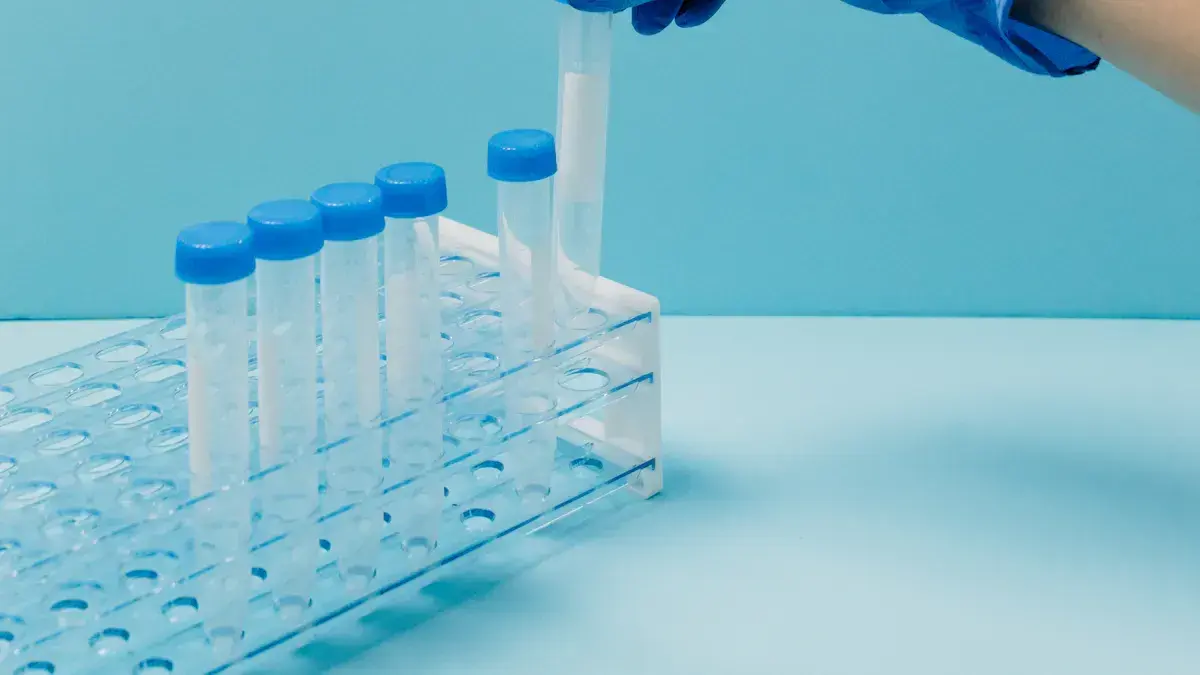
Before you start testing your water, you need to gather a few important items. Having everything ready helps you work quickly and safely. Make sure your workspace is clean and free from clutter. This keeps your results accurate and protects your health.
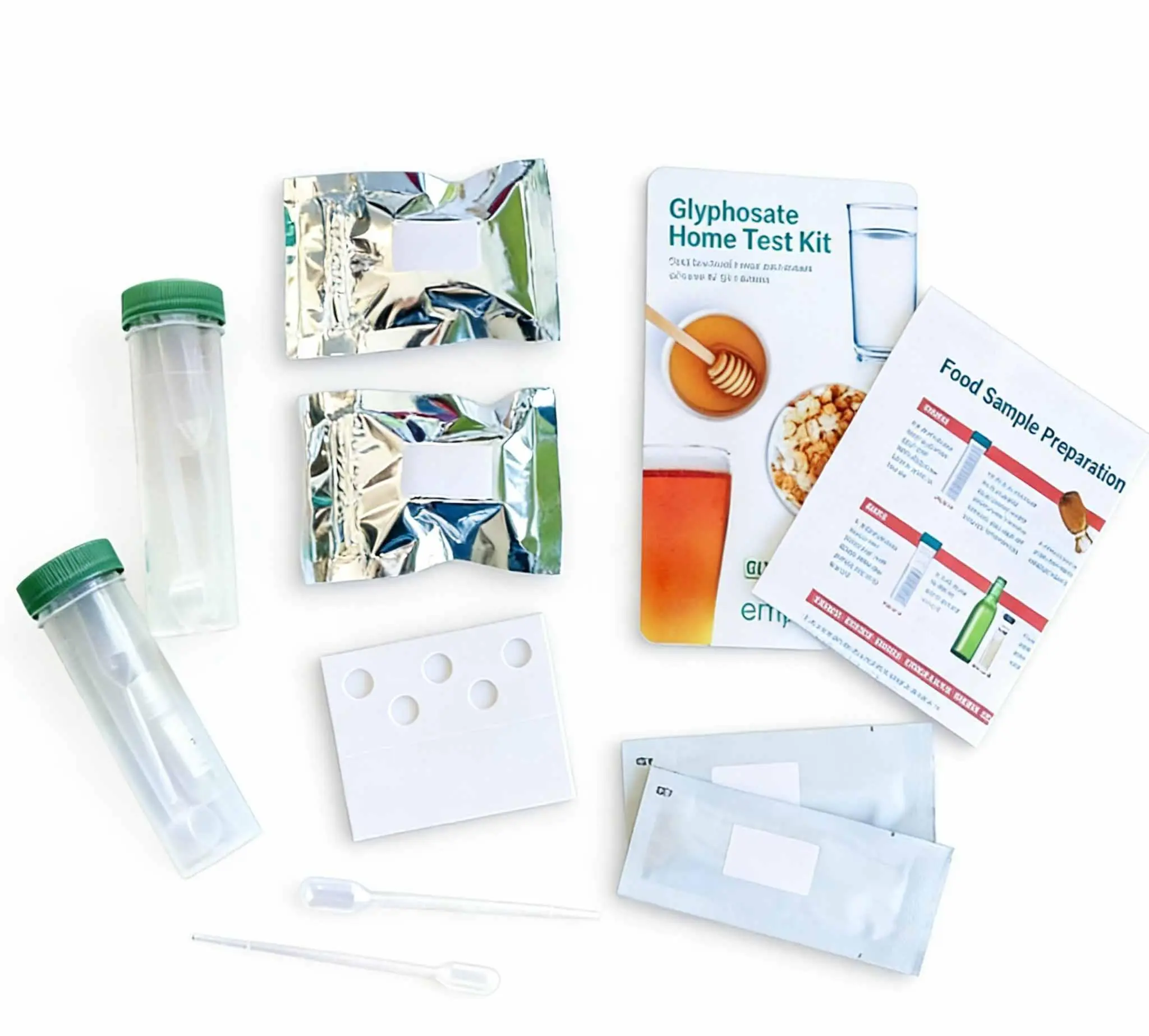
Chloramines Test Kit
You need a Chloramines Test Kit. This kit includes special chemicals and color charts. The kit helps you measure the amount of chloramines in your water. Always check the kit for all parts before you begin. If you use a Chloramines Test Kit, you can find out if your water is safe to drink or use.
Sample Container
You need a clean sample container. Use a container that has never held other chemicals. Rinse the container with the water you plan to test. This step removes any dirt or soap that could change your results. A clean container helps your Chloramines Test Kit work as it should.
Gloves and Timer
Wear gloves to protect your skin from the chemicals in the Chloramines Test Kit. You should also use a timer. Timing is important for each step in the test. A timer helps you follow the instructions exactly.
Safety Tips:
- Wear gloves and goggles to protect your skin and eyes from chlorine.
- Work in a well-ventilated area to avoid breathing in fumes.
- Never mix bleach with other chemicals.
Gathering these materials and following safety steps helps you get the best results from your Chloramines Test Kit.
Step-by-Step Instructions
Collecting Water Sample
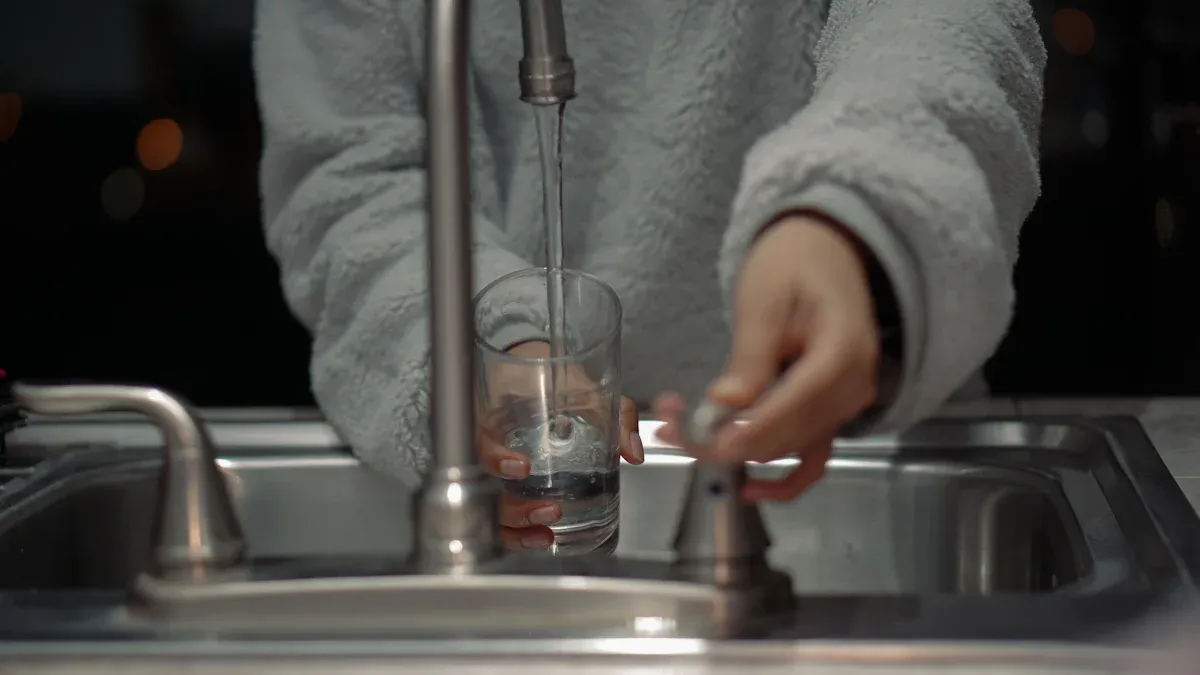
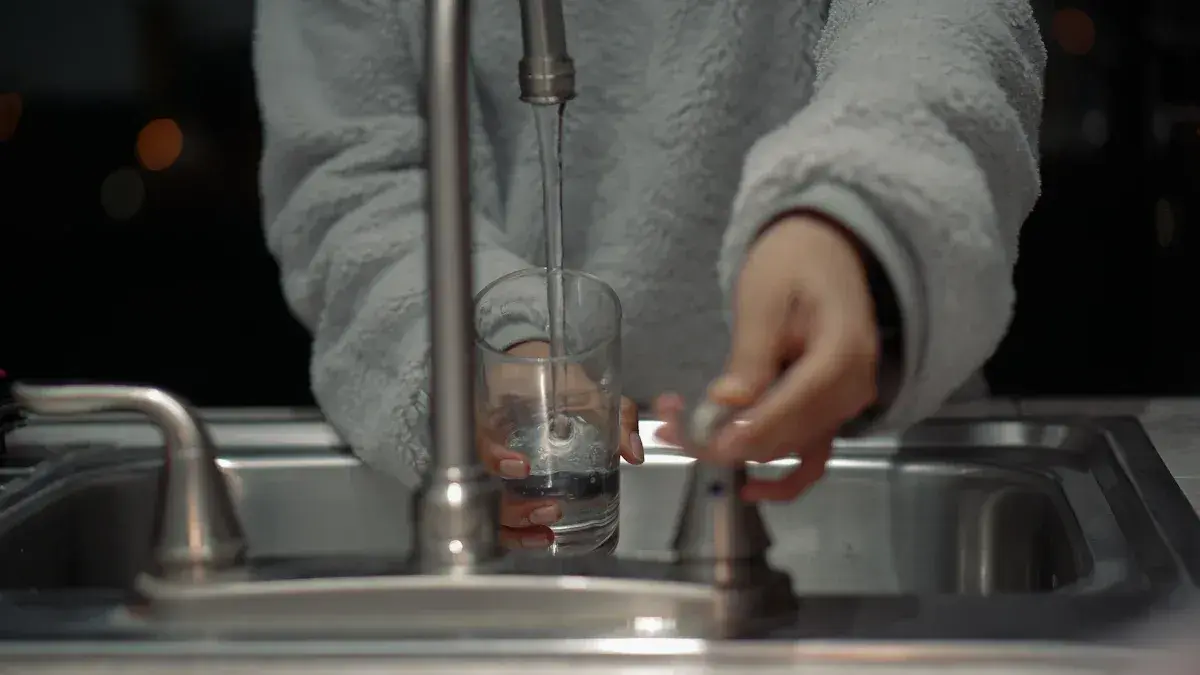
Start by collecting your water sample. Use your clean sample container and rinse it with the water you plan to test. Fill the container from the source you want to check, such as a tap or well. Hold the container under the water stream for a few seconds to flush out any air bubbles. Make sure you collect enough water to fill the test vials in your Chloramines Test Kit. Try to take the sample from about 6 to 12 inches below the surface if you are testing from a larger tank or pool. This helps you avoid surface debris and get a more accurate reading.
Tip: Always test your water as soon as possible after collecting the sample. Waiting too long can change the results.
Checking Vial Levels
Open your Chloramines Test Kit and find the test vials. Check that each vial is clean and dry before use. Pour the collected water into the vials up to the marked fill line. Do not overfill or underfill the vials. Accurate vial levels help you get correct results. If your kit has different vials for different tests, make sure you fill each one as directed in the instructions.
Testing Free and Residual Chlorine
You need to test both free chlorine and total (residual) chlorine. Free chlorine is the active disinfectant in your water. Total chlorine includes both free chlorine and combined chlorine, such as chloramines. Testing both types helps you understand how well your water is disinfected.
Here is a table to help you see the difference:
| Parameter | Free Chlorine | Total Chlorine |
|---|---|---|
| Definition | The uncombined form of chlorine that is immediately available to sanitize water. | The sum of free chlorine and combined chlorine (chloramines). |
| Effectiveness | Highly effective at killing pathogens quickly. | Less effective; chloramines have weaker disinfecting power. |
| Formation | Added directly or formed when chlorine reacts with water. | Increases when free chlorine binds with ammonia or nitrogen compounds. |
| Smell & Irritation | Mild odor; low irritation at proper levels. | Strong "pool smell"; can cause eye and respiratory irritation. |
| Testing Importance | Key indicator of sanitizing capability. | Helps detect chloramine buildup, which may require shock treatment. |
To test, add the correct reagent from your Chloramines Test Kit to the vial with your water sample. Follow the instructions for the number of drops or amount of powder. Swirl or shake the vial gently to mix. Wait for the time listed in your kit instructions. Use your timer to keep track. Accurate timing is important for reliable results.
Note: Residual chlorine can sometimes interfere with chloramines test results. This may cause your test to show higher levels than what is actually present. Standard testing methods may not always separate organic and inorganic chloramines, which can make it harder to judge how well your water is disinfected.
Mixing Solution
After adding the reagents, mix the solution as directed. Some kits ask you to invert the vial several times, while others may need you to swirl or shake gently. Make sure you mix thoroughly so the chemicals react with the water sample. Incomplete mixing can lead to incorrect readings. Always follow the instructions in your Chloramines Test Kit for the best results.
Comparing Colors
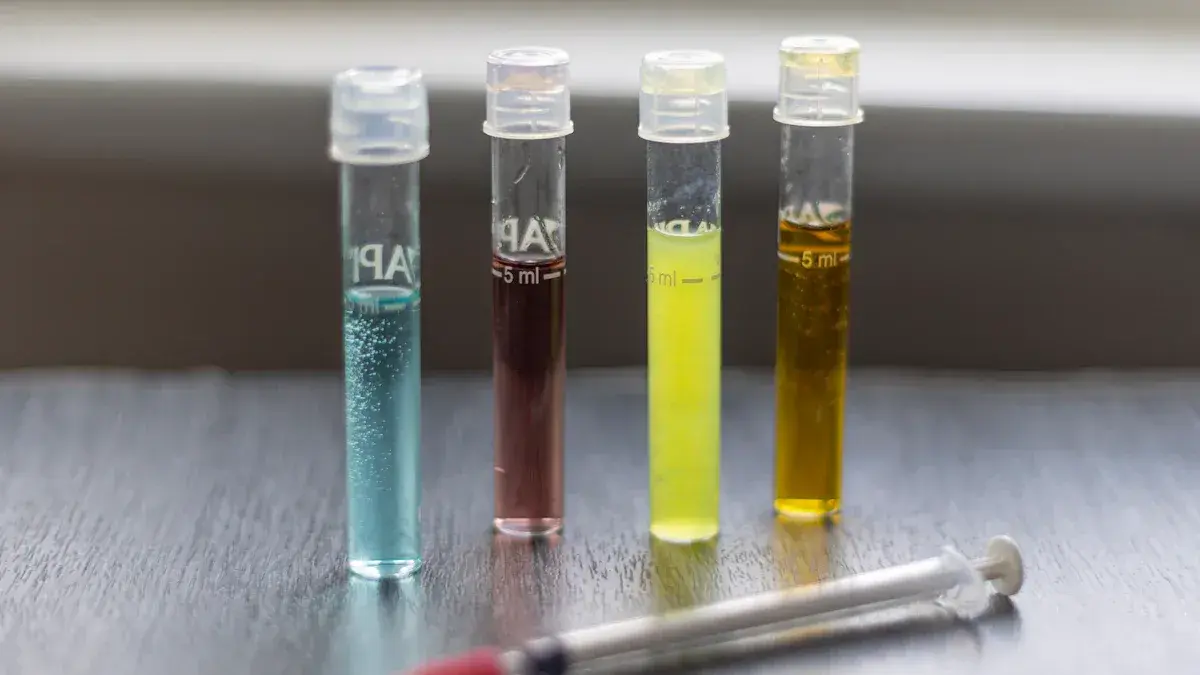
Once the reaction time is complete, compare the color of your sample to the color chart provided in your Chloramines Test Kit. Hold the vial up to natural light if possible. Match the color as closely as you can. The chart will show you the levels of free chlorine, total chlorine, and chloramines in your water. Write down your results for future reference.
- If the color matches a low level, your water may not have enough disinfectant.
- If the color matches a high level, you may have too much chlorine or chloramines, which can cause taste and odor problems.
Testing pH, Acid Demand, and Alkalinity
Many Chloramines Test Kits also let you test pH, acid demand, and alkalinity. These factors help you understand your water quality and how well disinfectants work.
The U.S. Environmental Protection Agency (EPA) recommends that drinking water should have a pH between 6.5 and 8.5. A pH of 7 is ideal. Water with a pH below 6.5 can be corrosive and may leach metals from pipes. Water above 8.5 can taste bad and may irritate your skin.
The reaction rates for chlorination work best at pH levels between 7 and 8. Keeping your water in this range helps form stable and effective chloramines.
To test pH, add the pH reagent to your water sample and compare the color to the pH chart. For acid demand and alkalinity, follow the steps in your kit. These tests help you know if your water can resist changes in pH and if it needs treatment.
- pH tells you if your water is acidic, neutral, or basic.
- Acid demand shows how much acid you need to add to reach the right pH.
- Alkalinity measures your water’s ability to buffer changes in pH.
Keep your results in a notebook. Regular testing helps you spot changes in your water quality over time.
Remember: Accurate timing and careful mixing are key to getting reliable results from your Chloramines Test Kit. Always follow the instructions for each step.
Interpreting Results
Understanding Chloramine Levels
You can use the color chart in your Chloramines Test Kit to find out how much chloramine is in your water. Hold your sample next to the chart and match the color as closely as you can. Each color stands for a different level of chloramines, usually measured in milligrams per liter (mg/L).
The EPA says that the Maximum Residual Disinfectant Level (MRDL) for chloramines in drinking water is 4.0 mg/L. If your test shows a number below this, your water meets the standard. If your test shows a number at or above 4.0 mg/L, you need to take action.
Tip: Write down your results each time you test. This helps you see changes in your water over time.
High levels of chloramines can cause health problems. You should know the risks if your water has too much chloramine:
- Chloramines can harm people who use hemodialysis.
- Fish and aquatic pets are sensitive to chloramines.
- Nitrosamines, which can form as byproducts, may cause cancer.
- Levels above 4.0 mg/L can irritate your eyes and nose.
- Breathing in chloramine fumes can make asthma and breathing problems worse.
- Some people are more sensitive to chloramines and may need to talk to a doctor.
What to Do if Chloramines Are Detected
If your test shows chloramines above 4.0 mg/L, you should act quickly. Here are steps you can take:
- Use a catalytic activated carbon filter to remove chloramines from your water.
- Install a whole house water filter if you want to treat all the water in your home.
- For drinking water, use an under-sink water system with catalytic carbon.
- Check your water again after using a filter to make sure the chloramine level is safe.
Your water utility must tell you if the chloramine level goes above the EPA standard. They also must fix the problem. If you have questions, you can ask your water supplier for more information.
Alert: If you or someone in your home has health problems, or if you keep fish or reptiles, you should act right away if you find high chloramine levels.
Contacting Professionals
You can get more help if you need it. Here are steps you can follow:
- Ask your public water supplier for the latest Consumer Confidence Report. This report tells you about the quality of your water.
- Call your water supplier to ask about chloramine treatment in your area.
- If you still have questions, contact a water treatment professional. They can test your water and suggest the best way to fix any problems.
Here is a table to help you choose the right water treatment:
| Filtration Type | Effectiveness in Removing Chloramines | Additional Benefits |
|---|---|---|
| Catalytic Activated Carbon Filter | High | Removes other contaminants |
| Whole House Water Filter | Treats all water in the home | Protects plumbing and appliances |
| Under-Sink Water System | Good for drinking water | Focused on kitchen or bathroom use |
Note: Regular testing and quick action help keep your water safe for you and your family.
You can test your water for chloramines by following each step carefully. Regular testing helps you spot changes early. Utilities provide an Annual Water Quality Report with details about chloramines. Many public water systems use chloramines for disinfection. Check the table below for common misconceptions:
| Misconception | Clarification |
|---|---|
| Strong chlorine odor means too much sanitizer | Chloramines cause the odor; more chlorine may help. |