China Top 10 Lipid Panel Test Manufacturers
Selecting a Lipid Panel Test manufacturer involves more than comparing product prices or reading a company profile. Laboratories need dependable measurement of total cholesterol, HDL cholesterol, triglycerides, and calculated or directly measured LDL cholesterol. China’s diagnostic manufacturing sector includes suppliers with different product ranges, production capabilities, and service models. This overview introduces ten manufacturers for buyers to research, not a universal ranking or endorsement. A closer look helps.
When assessing each company, check its assay format, analyzer compatibility, sample requirements, stated measuring range, and quality-control documentation. Ask how reagent storage and stability are handled, and whether technical support is available for installation, training, and troubleshooting. These details affect daily workflow. Buyers should also verify current certifications, product registrations, and performance claims through relevant official records and independent evaluations where available. Company materials can be useful, but they do not replace local verification. That distinction matters.
The best fit depends on a laboratory’s testing volume, equipment, budget, and quality-management needs. A small clinic may prioritize simple operation, while a high-throughput laboratory may focus on automation, consistency, and service response times. The comparison should therefore weigh evidence, not just promotional language. Some specifications may be difficult to compare directly, and published information can change. Treat the list as a starting point, request current technical documents, and confirm that the selected Lipid Panel Test system meets your laboratory’s validated requirements. No shortlist removes the need for careful evaluation.
Understanding Lipid Panel Tests and Their Clinical Applications
A lipid panel measures several fats in a blood sample, usually total cholesterol, LDL cholesterol, HDL cholesterol, and triglycerides. Clinicians use these results to assess cardiovascular risk, not to make a diagnosis from one number alone. LDL can contribute to plaque buildup in artery walls, while HDL helps carry cholesterol back to the liver. Triglycerides may rise after meals and can also be affected by alcohol, blood sugar, and some medicines. The numbers need context.
A clinician may consider age, blood pressure, diabetes, smoking, family history, and previous results alongside the panel. Fasting is not always required, but a provider may request it when triglyceride results need closer assessment. Lab methods and ordinary day-to-day changes can also shift readings slightly. That matters. A single result can look more definite than it really is. If a result is unexpected, repeating the test or reviewing recent meals and medicines may help clarify it. Follow-up testing can show whether lifestyle changes or treatment are affecting the pattern over time. These tests are useful, but they do not capture every part of a person’s heart health.
How Lipid Panel Testing Systems Are Made in China
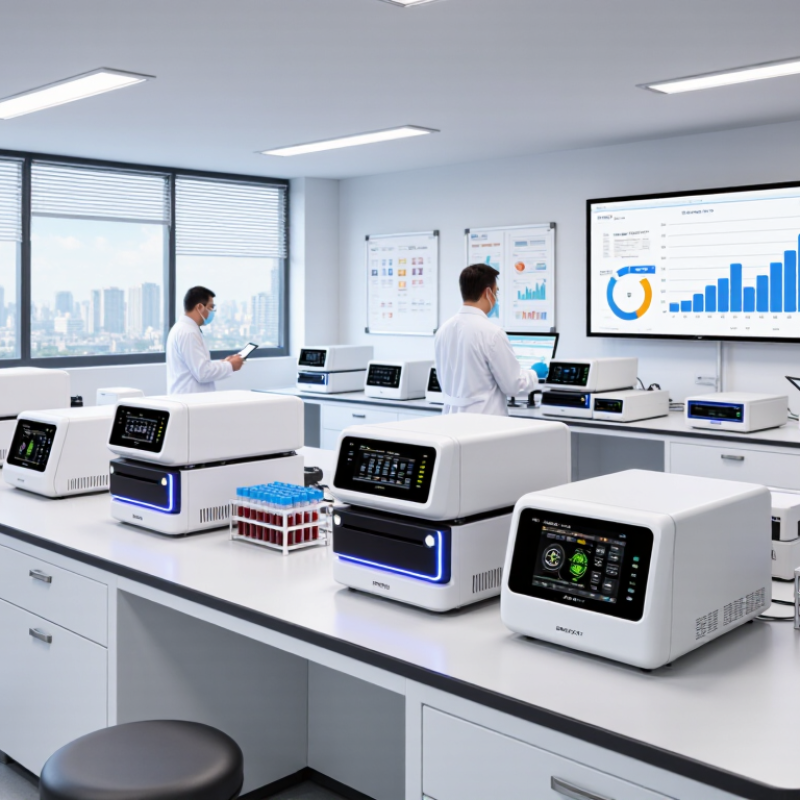
Lipid panel testing systems made in China typically combine an analyzer, test strips or reagent packs, and software that interprets results. Production often begins with product specifications, followed by sourcing components such as optical sensors, circuit boards, molded housings, and sample-handling parts. Some systems use dry chemistry; others rely on liquid reagents. The format changes how materials are prepared, assembled, and stored.
On the production floor, technicians may inspect molded parts, assemble electronics, and calibrate optical or temperature-control components. Reagents are prepared under controlled conditions, then filled into cartridges or applied to test elements. Small details matter. A tiny variation in coating or packaging can affect performance. Manufacturers typically check sample volume, instrument precision, and consistency across production batches, while documenting results for traceability. Finished systems may undergo functional testing before packaging and shipment. Actual verification requirements vary by device and market, so buyers should review the relevant technical documentation rather than assume every model follows the same process. A clean assembly line alone proves little. Reproducible results depend on validated methods, trained staff, stable materials, and ongoing quality checks; these controls deserve careful scrutiny.
Key Criteria for Comparing Chinese Manufacturers
When comparing Chinese lipid panel test manufacturers, look beyond product catalogs. Request validation data for total cholesterol, triglycerides, HDL-C, and LDL-C, including precision and measuring ranges. Ask whether results were checked against appropriate reference methods and across multiple reagent lots. A polished brochure is not enough.
Match the test format to your setting. Confirm required sample types, analyzer compatibility, sample volume, and hands-on time. For example, a busy laboratory may care about throughput, while a smaller clinic may prioritize simple preparation and clear instructions. Check stability data for both unopened kits and opened reagents. Ask how performance changes near the stated measuring limits. Those results can matter in daily use.
Manufacturing controls deserve equal attention. Request details on batch release testing, traceability, storage conditions, and how product changes are communicated. Review technical support arrangements, including response times and access to troubleshooting guidance. Packaging matters too: temperature exposure during shipping can affect reagents. Small details matter. No checklist captures every real-world condition, and supplier documents may not answer every question. A practical evaluation should include a trial with representative samples and a written record of observed issues.
Profiles of Ten Chinese Lipid Panel Test Manufacturers
China’s lipid panel test sector includes manufacturers with different strengths, so ten profiles are more useful than a simple ranking. One may focus on reagent formulation; another, analyzer compatibility. Other profiles can highlight sample preparation, calibration materials, quality systems, or production scale. Some manufacturers emphasize routine clinical chemistry workflows. Others may prioritize compact instruments or laboratory automation. These are comparison lenses, not verified claims about individual companies.
The remaining profiles should examine assay validation, technical support, supply continuity, and documentation quality. Look for clear data on accuracy, precision, measuring range, and interference testing. Ask whether performance evidence applies to the intended sample type and analyzer. A polished brochure is not enough. Manufacturing capacity alone does not prove dependable results. Company details and product specifications can change, so confirm them directly before making purchasing decisions.
Tips: Request recent validation data, lot-to-lot consistency records, and written service terms. Check details carefully. A comparison may still miss local workflow needs.
China Lipid Panel Test Manufacturers: Core Measurements & Adult Thresholds
Commonly used adult lipid-panel reference thresholds (mg/dL). These clinical values are not company-specific product data.
Total cholesterol below 200, LDL-C below 100, and triglycerides below 150 mg/dL are commonly used desirable or normal thresholds. HDL-C below 40 mg/dL in men or 50 mg/dL in women is considered low. Interpretation depends on individual risk and clinical guidance.
Market Trends and Quality Standards in Lipid Testing
Lipid testing is moving toward faster workflows, smaller sample volumes, and more consistent reporting.
Across China, manufacturers compete on analyzer compatibility, reagent stability, and dependable results for total cholesterol, triglycerides, HDL cholesterol, and LDL cholesterol. Automation can reduce routine handling, but it cannot correct every pre-analytical error. Small details matter. A delayed sample, poor storage, or inconsistent calibration may affect results before testing begins. Laboratories should assess performance under their own operating conditions, not rely only on brochure claims.
For buyers comparing leading manufacturers, quality evidence is more useful than a ranking alone. Look for documented precision, method-comparison data, calibration traceability, and clear instructions for quality control. Reagent lot consistency and service support also affect day-to-day reliability. Quality systems should include stability checks and procedures for investigating unexpected results. Some specifications may look strong on paper yet prove harder to maintain in busy laboratories. That gap deserves honest review. Independent evaluation and ongoing internal controls help laboratories judge whether a system performs consistently across operators, sample types, and seasons. The right choice depends on local testing needs, workload, and the laboratory’s capacity to monitor performance.

 +86-18343147735
 Email
 WhatsApp