Inquiry
Form loading...

How to Choose Blood Test Kits in 2026?

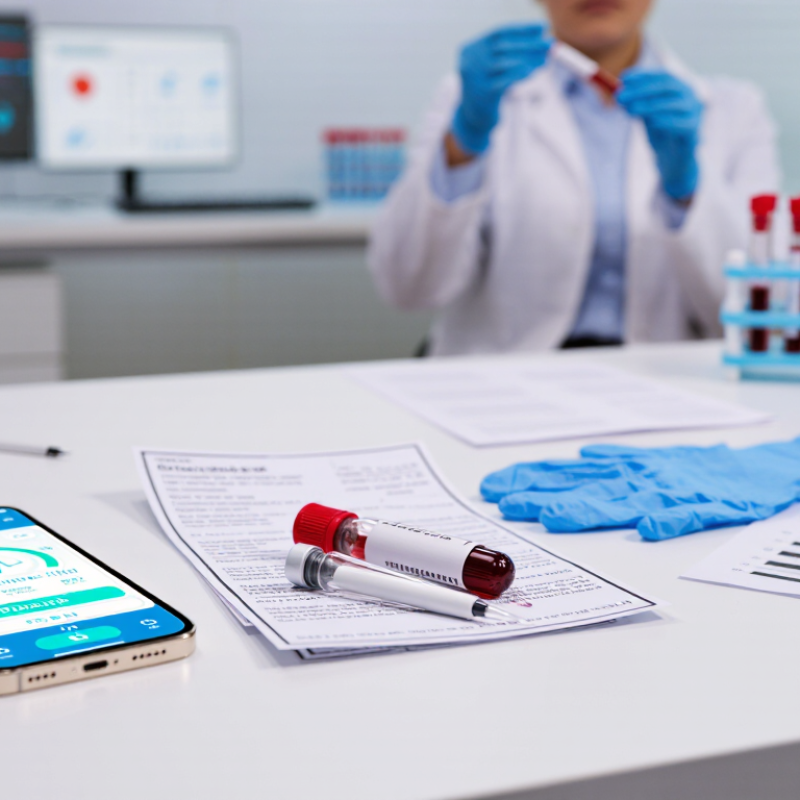
Choosing a blood test kit in 2026 is no longer a simple price comparison. Consumers now face home collection devices, laboratory panels, wearable-linked services, and app-based reporting. Each option promises convenience, but convenience does not guarantee reliable evidence. A small tube, a sealed package, and a bright smartphone screen can still hide important limitations.

Dr. Eric Topol, a respected cardiologist and digital health researcher, has said, “The future of medicine is the consumer.” His view is especially relevant to anyone searching for a reliable Test Blood Test solution. Buyers must understand how samples are collected, where they are analyzed, and whether qualified professionals review the results. A kit should clearly state its intended use, laboratory standards, reporting timeline, and privacy practices. Vague claims deserve caution.

This guide, “How to Choose Blood Test Kits in 2026?”, examines those details closely. It compares finger-prick and venous collection methods, explains accuracy concerns, and considers support after testing. It also reviews costs beyond the advertised price, including follow-up consultations and repeat testing. Some decisions remain imperfect. No kit fits every person, and one result rarely explains the whole body. Personal health history, medication use, hydration, and collection timing can influence results. That is easy to overlook.

Look beyond the box. Check the laboratory. Read the instructions twice. A trustworthy provider should explain uncertainty instead of promising certainty. This practical overview helps readers ask better questions before choosing a kit, sharing sensitive information, or discussing results with a healthcare professional.
How to Choose Blood Test Kits in 2026?

What Blood Test Kits Are and How They Work

Blood test kits are tools for measuring selected substances in a small blood sample. Most use a sterile lancet, a collection strip, and a test cartridge or reader. The sample moves through the strip by capillary action. Reagents then react with the target substance, such as glucose, cholesterol, or antibodies. The reader converts that reaction into a numerical result.

Some kits provide results within minutes. Others require a finger-prick sample sent to a certified laboratory. Their purposes differ. According to the CDC’s National Diabetes Statistics Report, 2024, an estimated 38.4 million Americans had diabetes. The WHO’s 2023 Global Report on Hypertension estimated that 1.28 billion adults aged 30–79 had hypertension. These figures show why accessible testing matters, but a kit cannot replace clinical judgment. A neat number can still mislead. Temperature, hydration, poor hand cleaning, expired strips, and incorrect sampling can affect results.

Tips: Check the analyte, sample type, expiry date, storage conditions, and laboratory credentials. Look for published accuracy data, not only advertising claims. Read the instructions before pricking your finger. Repeat an unexpected result according to the kit guidance, then discuss it with a qualified healthcare professional. “Easy to use” is not the same as “clinically sufficient.”

How to Choose Blood Test Kits in 2026?

What Blood Test Kits Are and How They Work

Blood test kits collect a small blood specimen for measurement of biomarkers such as glucose, hormones, antibodies, cholesterol, or genetic material. The sample may be collected by finger-prick, dried onto a collection card, or drawn from a vein before being analyzed by a test strip, reader, or laboratory instrument.

How to read the chart: The bars show typical specimen-volume ranges used by common blood collection formats. Finger-prick and dried-blood-spot methods require much less blood, while venous collection generally supports larger or more complex test panels. Actual requirements depend on the assay, sample quality, and whether laboratory confirmation is required.

Selection guidance: Choose a kit based on the target biomarker, required sample type and volume, collection stability, result time, and whether the result is intended for screening or clinical diagnosis. A positive, unexpected, or medically important result should be reviewed by a qualified healthcare professional.

Which Health Goals Require a Blood Test Kit

Choosing a blood test kit in 2026 should begin with your health goal, not the cheapest option. Different concerns require different markers. A complete blood count may help investigate fatigue or suspected anemia. Glucose and HbA1c testing can support diabetes screening. Lipid testing examines cholesterol patterns and cardiovascular risk. Thyroid panels may be relevant for unexplained weight changes, palpitations, or persistent tiredness. Kidney and liver markers can support routine monitoring, especially when advised by a clinician.

Home testing is convenient, but it has limits. Choose a kit processed by an accredited laboratory, with clear sample instructions and secure result delivery. Check whether finger-prick blood is suitable for the test. Some measurements need a venous sample collected by a professional. Results should include reference ranges and an explanation of possible next steps. A single result rarely tells the whole story. Sleep, medicines, exercise, and recent illness can affect readings.

Tips: Match the test to one clear question. Confirm fasting requirements before collecting blood. Record symptoms, medicines, and collection time. Never change treatment from a home result alone. Speak with a qualified healthcare professional about abnormal, confusing, or urgent findings. An easy mistake is ordering too many markers without a plan. More data can create worry, not clarity. Repeating a test may also be necessary, because collection errors happen. Reliability matters more than convenience.

How to Choose Blood Test Kits in 2026? - Which Health Goals Require a Blood Test Kit

Health goal Useful blood markers Typical sample When a kit may be appropriate Important limitations Recommended follow-up
Check for anemia or iron deficiency Hemoglobin, hematocrit, mean corpuscular volume, ferritin, and sometimes transferrin saturation Finger-prick dried blood spot or venous blood draw Fatigue, pale skin, reduced exercise tolerance, heavy menstrual bleeding, or dietary risk Ferritin can rise with infection or inflammation; a single result may not identify the cause of blood loss Discuss abnormal results with a clinician; additional testing may be needed to find the cause
Assess blood-sugar status HbA1c, fasting glucose, or random glucose Finger-prick or venous blood draw Diabetes risk, overweight, family history, high blood pressure, or symptoms such as increased thirst and urination HbA1c reflects approximately the previous 2–3 months and may be affected by some blood disorders, pregnancy, or altered red-cell lifespan Confirm possible diabetes with an appropriate laboratory test and clinical assessment
Manage cardiovascular risk Total cholesterol, LDL cholesterol, HDL cholesterol, triglycerides, and sometimes apolipoprotein B Finger-prick or venous blood draw Routine risk assessment, family history of early cardiovascular disease, or monitoring lifestyle changes Risk depends on the complete clinical picture, including age, blood pressure, smoking, diabetes, and family history Use a validated cardiovascular-risk assessment with a healthcare professional
Evaluate thyroid symptoms Thyroid-stimulating hormone; free thyroxine when indicated Usually venous blood; some services offer finger-prick testing Unexplained fatigue, weight change, temperature intolerance, palpitations, or menstrual changes Results can be influenced by pregnancy, illness, medicines, and timing; thyroid antibodies are not required for every initial screen Interpret results with symptoms, medication history, and relevant reference ranges
Review kidney function Creatinine, estimated glomerular filtration rate, electrolytes, and often a urine albumin-to-creatinine ratio Usually venous blood plus a urine sample High blood pressure, diabetes, kidney disease risk, or monitoring medicines that affect the kidneys Hydration, muscle mass, diet, and some medicines can affect creatinine; kidney assessment is not based on blood results alone Repeat or confirm abnormal findings through a clinical laboratory and include urine testing when appropriate
Monitor liver health ALT, AST, alkaline phosphatase, bilirubin, albumin, and sometimes gamma-glutamyl transferase Usually venous blood draw Monitoring known liver disease, alcohol-related risk, metabolic risk, or potentially liver-affecting medicines Abnormal enzymes do not identify a specific diagnosis; strenuous exercise and medicines can affect some markers Seek medical interpretation and further evaluation rather than self-diagnosing from one result
Check vitamin B12 or vitamin D status Serum vitamin B12; 25-hydroxyvitamin D for vitamin D status Finger-prick dried blood spot or venous blood draw, depending on the test Restricted diet, malabsorption risk, limited sun exposure, bone-health concerns, or neurological symptoms Reference ranges vary; supplements can alter results, and symptoms may have causes unrelated to vitamin levels Review supplementation, symptoms, and any need for confirmatory or related tests with a clinician
Investigate general inflammation C-reactive protein and, in selected cases, erythrocyte sedimentation rate Usually venous blood; some services offer finger-prick testing Monitoring a known inflammatory condition or evaluating symptoms when advised by a healthcare professional These markers are nonspecific and cannot determine the location or cause of inflammation Interpret alongside symptoms, examination, and other tests; urgent symptoms require prompt medical care
Support reproductive or pregnancy-related care Human chorionic gonadotropin, progesterone, or other reproductive hormones when clinically indicated Usually venous blood; pregnancy screening is often performed with urine or blood Confirming pregnancy, monitoring selected fertility treatments, or evaluating specific menstrual concerns Hormone levels vary substantially with cycle timing, pregnancy stage, medicines, and individual circumstances Use clinician-directed timing and interpretation; urgent pain or bleeding during possible pregnancy needs medical attention

Selection note: Choose a kit that clearly states the analytes measured, sample type, collection instructions, laboratory accreditation or quality controls, reference ranges, result turnaround time, and access to qualified clinical support. Home blood-test results are screening or monitoring information and should not replace professional diagnosis, especially when results are abnormal or symptoms are serious.

How to Compare Test Accuracy, Sample Types, and Features

How to Choose Blood Test Kits in 2026?

Accuracy should lead your comparison, not the package design. Check sensitivity, specificity, measuring range, and the stated reference method.

The Lancet Commission on Diagnostics estimated that 47% of people worldwide have limited or no access to diagnostics. That gap makes dependable home testing especially important.

Look for independent validation, quality-control procedures, and clear performance data for real users, not only laboratory samples.

Sample type changes the whole experience. Finger-prick blood usually needs less equipment, while venous samples may support broader laboratory analysis.

Plasma, serum, and whole blood are not interchangeable. Read the required volume carefully.

A tiny sample can produce an error when the finger is cold or the collection tube is underfilled. That happens.

Choose kits with simple collection steps, stable transport conditions, and instructions for rejected samples.

Features should solve a practical problem. Consider result time, digital recordkeeping, accessibility, storage temperature, and customer support.

For glucose-related testing, the WHO Global Report on Diabetes 2024 reported that 830 million people were living with diabetes in 2022.

Frequent testing therefore makes usability important, but convenience must not replace verification.

A colorful dashboard is not proof of accuracy.

Compare results with a qualified laboratory when readings conflict with symptoms.

Review the evidence twice.

How to Check Safety, Certification, and Laboratory Support

How to Choose Blood Test Kits in 2026?

How to Check Safety, Certification, and Laboratory Support

Choosing a blood test kit requires more than comparing prices or reading online ratings. Check the intended use, sample type, storage temperature, expiration date, and instructions. A sealed package matters. So does a clear lot number.

Look for certification accepted in your market, such as ISO-based quality systems or appropriate medical-device registration. Certification does not guarantee accurate results in every situation. It shows that defined requirements were assessed. Check whether the certificate covers the exact kit, not just the manufacturer’s facility. I once assumed a quality logo answered every question. It did not. The test’s clinical evidence and stated performance still mattered.

Laboratory support can reveal important weaknesses. Ask whether an accredited laboratory reviews difficult or unexpected results. Confirm available reporting times, sample rejection rules, privacy procedures, and professional interpretation. A reliable provider should explain what happens when a sample is insufficient or damaged. It should also identify when confirmatory testing may be needed. Keep the kit within its stated temperature range, and record unusual handling conditions. Small details can change results. Instructions may look simple, yet rushed collection can create avoidable errors. No checklist is perfect. Before ordering, contact support with one practical question and judge the clarity of the reply.

How to Use Results and Choose Appropriate Follow-Up Care

Choosing a blood test kit in 2026 should begin with the follow-up plan, not the device. A result matters only when a qualified clinician can interpret it. The World Health Organization reports that noncommunicable diseases caused 74% of global deaths in 2021. This makes reliable screening important, but one home result cannot establish a diagnosis. Check the kit’s intended use, sample requirements, laboratory processing, and quality evidence. Prefer tests linked to recognized clinical standards and clear result ranges.

Use results as conversation starters. Record the collection date, fasting status, symptoms, medicines, and recent illness. These details can change interpretation. The CDC’s National Diabetes Statistics Report estimates that 38.4 million Americans had diabetes in 2021, including many undiagnosed cases.

A high glucose result deserves timely clinical review, not self-treatment. A low or unexpected value may require repeat testing through an accredited laboratory. My practical mistake was treating a neat digital number as certainty. It was only one piece of evidence.

Tips: Confirm whether a clinician reviews abnormal results. Ask when repeat testing is needed. Seek urgent care for severe weakness, confusion, chest pain, or breathing difficulty. Keep the original report, not only a screenshot. Follow-up may include a laboratory confirmation, medical history review, physical examination, or specialist referral. The National Academies emphasizes that test quality depends on the entire testing process, including collection and interpretation. Even a good kit can produce a poor decision when timing, storage, or sample handling is overlooked.