Essential Tips for Understanding Your Fbs Blood Test Results?
Understanding your Fbs Blood Test results is crucial for managing your health. This test measures fasting blood sugar levels, an important marker for diabetes risk. According to the American Diabetes Association, around 34.2 million Americans had diabetes in 2020. Identifying your blood sugar status can help prevent serious complications.
High Fbs Blood Test results may indicate insulin resistance or diabetes. A 2021 study found that lifestyle changes can reverse these conditions. The increasing prevalence of diabetes underscores the importance of understanding your test results. However, interpreting these numbers can be challenging for many individuals. Misinterpretation can lead to anxiety or complacency in managing health.
It is vital to discuss results with healthcare professionals. They offer insights based on experience and expertise. This partnership can demystify your Fbs Blood Test results and guide you toward healthier choices. Remember, knowledge is power in managing your health.
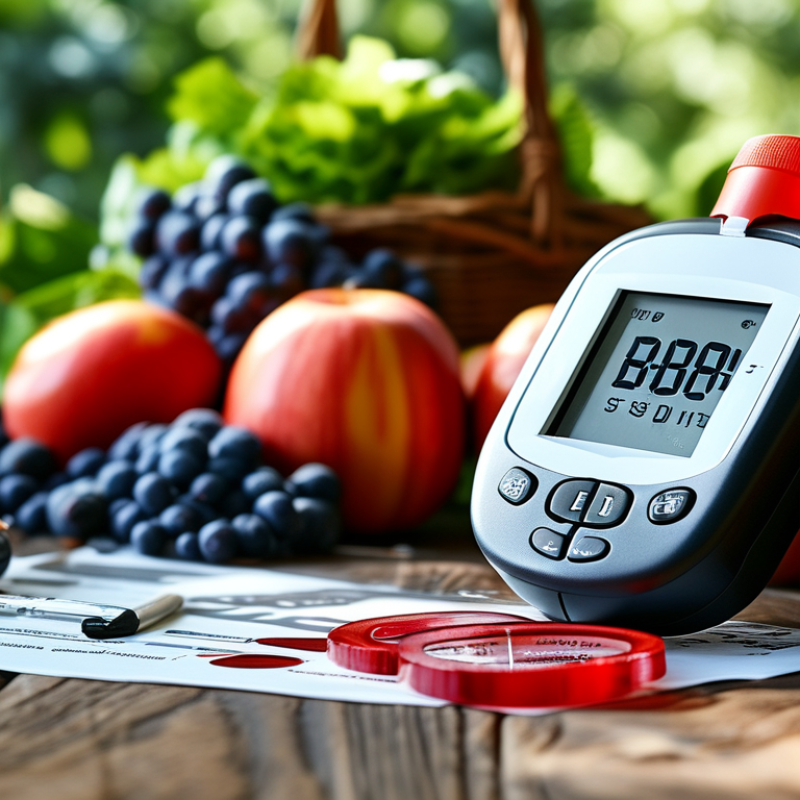
Understanding the Basics of Fasting Blood Sugar (Fbs) Testing
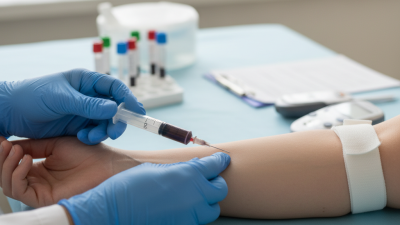
Fasting Blood Sugar (FBS) testing is crucial for assessing glucose levels. This test typically involves fasting overnight before blood is drawn. It helps detect abnormalities in blood sugar levels, which can indicate diabetes or other metabolic issues.
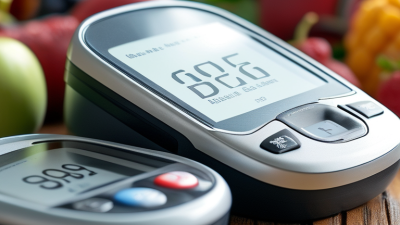
When you receive your FBS results, it's essential to know the normal range. Generally, a fasting blood sugar level under 100 mg/dL is considered healthy. However, results can vary based on several factors, including age, health conditions, and even stress. If your levels fall in the range of 100-125 mg/dL, it may signal prediabetes. Consistently high levels above 126 mg/dL could indicate diabetes.
It's important to reflect on these results with a healthcare professional. Many people overlook minor fluctuations in their FBS levels. Keeping a log of your daily habits can help identify patterns. Poor diet and a sedentary lifestyle can contribute to increased glucose levels. Understanding these factors is vital for managing your health effectively. Frequent testing and professional guidance can empower you to make informed decisions about your well-being.
Key Components of Your Fbs Blood Test Results Explained
Understanding your Fasting Blood Sugar (FBS) results can be crucial for managing your health. Key components include glucose levels, which indicate how well your body processes sugar. Normal fasting blood sugar levels range from 70 to 99 mg/dL. Levels above 100 mg/dL may indicate prediabetes or diabetes. According to the American Diabetes Association, around 88 million adults in the U.S. have prediabetes, a condition that often goes unnoticed.
Another essential component is the A1C test, which reflects average blood sugar levels over the past two to three months. An A1C of 5.7% to 6.4% suggests prediabetes. Research shows that lifestyle changes can prevent or delay the onset of type 2 diabetes in those with prediabetes. However, many people underestimate their risk. Regular monitoring and understanding your FBS results can empower you to make informed health decisions.
Finally, it's vital to consider various factors that can affect your FBS levels. Stress, anxiety, and even certain medications can lead to fluctuations. Being aware of these elements is crucial, yet often overlooked by individuals. Regular discussions with healthcare professionals can help navigate these complexities. Keep in mind that no single test defines your health. Continuous learning and monitoring are key to effective management.
Interpreting Normal vs. Abnormal Fbs Levels
Understanding your fasting blood sugar (FBS) results is crucial for managing your health, especially if you are at risk for diabetes. Normal FBS levels typically range from 70 to 99 mg/dL. If your levels exceed this range, you might need to assess your lifestyle choices. Abnormal levels can indicate prediabetes or diabetes, affecting millions worldwide.
One tip for interpreting your results is to monitor your daily habits. A 2022 diabetes report noted that nearly 34% of adults in the U.S. have elevated blood sugar levels. This emphasizes the need for regular testing. If your FBS reading is between 100-125 mg/dL, prediabetes is a real concern. Take time to reflect on your diet and exercise routines. Small changes can lead to significant improvements.
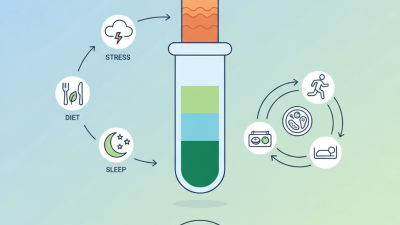
Another important point is the influence of stress and sleep on blood sugar levels. A study revealed that poor sleep can elevate FBS levels, making monitoring even more vital. If your levels are consistently high, reconsider your lifestyle choices. Seeking professional advice can help you craft a personalized plan to manage those levels effectively. Understanding these factors is essential for long-term health.
Common Factors Affecting Fbs Test Outcomes
When interpreting Fasting Blood Sugar (FBS) test results, it's crucial to consider various factors that can influence outcomes. According to the American Diabetes Association, stress levels significantly affect blood glucose readings. High stress can cause a temporary increase in blood sugar by triggering the release of hormones like cortisol.
Diet plays a pivotal role too. Consuming carbohydrate-rich foods before the test can lead to elevated FBS results. A study published in the Journal of Clinical Endocrinology revealed that fasting for at least eight hours is essential for accurate readings. Staying hydrated with water is often overlooked but can help ensure reliable results.
Tips for better understanding your FBS results include recording daily habits. Keep track of your meals, physical activities, and stress management strategies. Regular monitoring can highlight patterns over time. Additionally, consult with a healthcare professional to assess your results in context. Remember, individual responses may vary. Always view FBS results in conjunction with other health indicators. Embracing a comprehensive approach aids in developing effective management strategies.
Essential Tips for Understanding Your Fbs Blood Test Results
| Factor |
Effect on FBS Levels |
Recommended Action |
| Fasting Duration |
Longer fasting can lower FBS levels. |
Ensure a consistent fasting period before tests. |
| Hydration Status |
Dehydration can elevate FBS levels. |
Stay hydrated without consuming calories. |
| Physical Activity |
Increased activity can lower FBS levels. |
Engage in regular exercise, but avoid strenuous activities before testing. |
| Medications |
Certain drugs can affect FBS readings. |
Consult with a healthcare provider regarding medications prior to testing. |
| Stress Levels |
High stress can increase FBS levels. |
Practice stress-reducing techniques such as meditation. |
| Dietary Intake |
High carbohydrate meals may elevate FBS levels. |
Follow a balanced diet, avoiding high carbs before testing. |
Next Steps After Receiving Your Fbs Blood Test Results
Receiving your FBS (Fasting Blood Sugar) test results can be overwhelming. A normal FBS level typically ranges from 70 to 99 mg/dL. When you see a value above this range, it can indicate prediabetes or diabetes. The American Diabetes Association reports that about 88 million Americans have prediabetes, increasing their risk for serious health issues. Understanding these numbers is crucial for your health journey.
After receiving abnormal FBS results, consider your next steps carefully. Lifestyle changes may be necessary. According to the CDC, losing just 7% of your body weight can significantly reduce diabetes risk. Regular exercise and a balanced diet are essential components of this change. Consult healthcare professionals for personalized advice. They often recommend regular monitoring of your blood sugar levels to track any progress. Reflecting on dietary habits and physical activity can reveal areas for improvement.
Engaging family members or support groups may also influence your journey positively. Sometimes, emotional and mental well-being can impact physical health. It’s important to address psychological factors, as stress and anxiety can lead to unhealthy eating habits. Prioritize developing a healthy routine, while being patient with yourself throughout the process.

 +86-18343147735
 Email
Email WhatsApp