Top Reasons to Get a Lipid Panel Test for Your Heart Health?
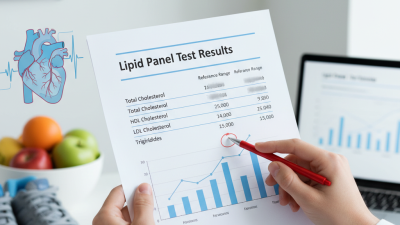
A Lipid Panel Test is a crucial tool in assessing heart health. It measures various types of fats in your blood. These include LDL cholesterol, HDL cholesterol, and triglycerides. Understanding your lipid levels can help identify potential risks for heart disease.
Many people overlook the importance of regular testing. Genetic factors and lifestyle habits play key roles in cholesterol levels. Even young individuals can have unhealthy lipid profiles. This test provides essential insight into your cardiovascular status.
Additionally, managing heart health is a journey. It requires ongoing assessment and lifestyle adjustments. Relying solely on diet or exercise may not be enough. A Lipid Panel Test offers a clear picture of where you stand. This information is vital for making informed health choices. Taking proactive steps today can lead to a healthier heart tomorrow.
Importance of Lipid Panel Testing for Heart Health Assessment
Lipid panel testing is crucial for assessing heart health. This test measures lipids in the blood, including cholesterol and triglycerides. According to the American Heart Association, high levels of LDL cholesterol significantly increase heart disease risk. Nearly 95 million American adults have high cholesterol, but many are unaware. Regular testing can help identify these issues early.
Understanding your lipid levels can guide lifestyle changes. Research indicates that a heart-healthy diet and regular exercise can reduce LDL cholesterol levels by up to 15%. However, many struggle to implement these changes effectively. Life's complexities often lead to neglecting health. A simple lipid panel can serve as a wake-up call, prompting necessary adjustments.
Moreover, lipid panels empower healthcare providers to tailor treatment plans. Approximately 30% of adults with elevated cholesterol do not receive appropriate care. A lipid test can lead to personalized strategies for lowering risk and improving long-term heart health. However, reliance on testing alone may not suffice. Continuous monitoring and proactive lifestyle choices are essential for effective heart disease prevention.
Understanding Cholesterol Types: LDL, HDL, and Their Impacts on Heart Disease
Cholesterol plays a significant role in heart health. There are two main types: LDL (low-density lipoprotein) and HDL (high-density lipoprotein). LDL is often called "bad cholesterol." High levels of LDL can lead to plaque buildup in arteries. This increases the risk of heart disease. In fact, according to the American Heart Association, an LDL level above 130 mg/dL is associated with a higher risk of cardiovascular events.
HDL, on the other hand, is known as "good cholesterol." It helps remove LDL from the bloodstream. Higher HDL levels can lower the risk of heart disease. The ideal level for HDL is 60 mg/dL or higher. However, many people struggle to reach this target. Lifestyle factors, such as diet and exercise, greatly influence these cholesterol levels.
Recent studies indicate that nearly 95 million American adults have high cholesterol. Not all of them are aware of their levels. Regular lipid panel tests can provide essential insights into your cholesterol. These tests measure both LDL and HDL, helping identify potential risks early. Understanding these cholesterol types is crucial for maintaining heart health. Monitoring and managing cholesterol levels can lead to better overall well-being.
Top Reasons to Get a Lipid Panel Test for Your Heart Health
| Cholesterol Type |
Normal Range (mg/dL) |
Impact on Heart Disease |
Recommended Actions |
| Total Cholesterol |
Less than 200 |
High levels increase heart disease risk |
Regular monitoring; consider lifestyle changes |
| LDL (Low-Density Lipoprotein) |
Less than 100 |
"Bad" cholesterol, high levels lead to plaque buildup |
Dietary changes; medication if necessary |
| HDL (High-Density Lipoprotein) |
60 or more |
"Good" cholesterol, helps clear LDL from the bloodstream |
Increase through exercise; healthy fats intake |
| Triglycerides |
Less than 150 |
High levels can contribute to fatty deposits in arteries |
Limit sugar and refined carbs; maintain healthy weight |
Statistics on Heart Disease: The Role of Lipid Levels in Cardiovascular Risk
Heart disease remains a leading cause of death globally. Understanding lipid levels is crucial for assessing cardiovascular risk. Research indicates that high levels of LDL cholesterol and low levels of HDL cholesterol can lead to plaque buildup in arteries. This buildup increases the risk of heart attacks and strokes. Regular lipid panel tests help track these numbers.
Statistical data reveals alarming trends. Nearly half of adults in the United States have high cholesterol. Many are unaware of their risk. Lifestyle factors like diet and lack of exercise significantly impact lipid levels. However, genetic factors can also play a role. This complexity emphasizes the need for regular testing. A lipid panel test provides clear insights into your heart health.
Despite the importance of this test, some individuals neglect it. Misunderstandings about cholesterol often lead to complacency. Many think they aren’t at risk if they feel fine. This perspective overlooks silent issues. Prioritizing regular check-ups is essential, even for those without symptoms. The numbers tell a story that can save lives. Ignoring them may prove costly.
Recommended Screening Guidelines for Lipid Panel Tests by Health Organizations
A lipid panel test is essential for understanding heart health. Health organizations recommend that adults start screening at age 20. Regular testing can reveal cholesterol levels, which influence heart disease risk. Many people overlook this test, often assuming they're healthy based on how they feel.
Despite feeling fine, some may have high cholesterol without knowing it. Guidelines suggest retesting every four to six years for those with normal levels. For individuals with risk factors, such as diabetes or family history, more frequent testing is advisable. It's vital to stay proactive about health.
Tips: Keep track of your cholesterol levels. Write down your results after each test. Discuss them with your healthcare provider to understand what they mean. Schedule your next screening before you leave the doctor’s office. Prioritize your heart health by making screening a regular part of your healthcare routine.
Interpreting Lipid Panel Results: What Numbers Indicate Heart Health Risks
Lipid panel tests provide valuable insights into your heart health. Understanding the numbers on your lipid panel can empower you to take control of your health. Key components include total cholesterol, LDL (bad cholesterol), HDL (good cholesterol), and triglycerides. Each of these plays a crucial role in cardiovascular risk assessment.
Total cholesterol is the sum of different fats in your blood. A level above 200 mg/dL is often a cause for concern. LDL cholesterol can shove plaque into your arteries, increasing your heart disease risk. Ideally, LDL should be less than 100 mg/dL. Conversely, higher levels of HDL can protect your heart, with a target above 60 mg/dL. Triglycerides are another marker; a value under 150 mg/dL is desirable.
Interpreting these numbers requires context. Age, family history, and lifestyle are vital in evaluating risks. Even having optimal numbers does not guarantee heart health. Regular check-ups and lifestyle modifications can be necessary, despite seemingly good results. This reflection can lead to better decisions regarding diet, exercise, and overall well-being.
Cholesterol Levels and Heart Health Risks
This chart represents average lipid panel results that are critical for assessing heart health risks. Total cholesterol, LDL (low-density lipoprotein), HDL (high-density lipoprotein), and triglycerides are key markers in evaluating cardiovascular health.

 +86-18343147735
 Email
Email WhatsApp