Top Tips for Understanding Your Lipid Panel Test Results?
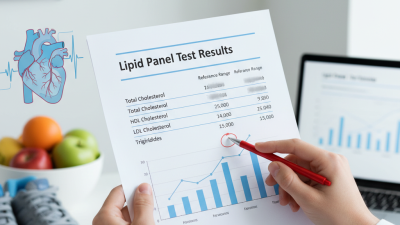
Understanding your Lipid Panel Test results is crucial for managing your heart health. This test measures cholesterol and triglycerides in your blood. These numbers provide insight into your cardiovascular risk.
When interpreting these results, it's important to know what the numbers mean. High levels of LDL, often called “bad cholesterol,” can lead to artery blockages. Conversely, HDL, the “good cholesterol,” helps protect against heart disease. Triglycerides are also significant; elevated levels can be harmful.
Managing your lipid levels may require lifestyle changes. Diet, exercise, and sometimes medication can help you achieve healthier numbers. However, everyone’s situation is unique, and results can often lead to confusion. Reflecting on your results with a healthcare professional adds clarity. Awareness of your lipid panel results empowers you to take charge of your health.
What is a Lipid Panel and Why is it Important?
A lipid panel is a crucial blood test that measures cholesterol and triglyceride levels. It helps assess heart disease risk. The test typically includes total cholesterol, LDL (low-density lipoprotein), HDL (high-density lipoprotein), and triglycerides. According to the American Heart Association, nearly 47% of adults have high cholesterol, making it a significant health concern.
Understanding your lipid panel results is vital. High LDL cholesterol is linked to a greater risk of heart disease. Conversely, HDL cholesterol helps remove excess cholesterol from the bloodstream and is considered "good" cholesterol. The ideal target for LDL is less than 100 mg/dL, while HDL should be 60 mg/dL or higher. Many individuals may not meet these goals, leading to health issues.
Lifestyle choices can impact lipid levels significantly. Diet, exercise, and smoking status play key roles. Statistically, a Mediterranean diet can reduce LDL levels by up to 30%, highlighting the importance of diet. However, many still struggle with making these healthy changes. Regular check-ups and consultations with healthcare providers on lipid panel results are critical for better health management. Engaging with health professionals ensures individuals receive tailored advice to improve their lipid profiles effectively.
Understanding the Components of a Lipid Panel Test
Understanding your lipid panel test results can initially be overwhelming. This test measures various components critical for assessing heart health. The most significant parts include total cholesterol, LDL (low-density lipoprotein), HDL (high-density lipoprotein), and triglycerides.
Total cholesterol is an aggregate of the blood fats. Levels above 200 mg/dL may indicate an increased risk of heart disease. LDL, often termed "bad cholesterol," can lead to plaque buildup in arteries. When LDL levels are above 130 mg/dL, it's essential to reevaluate dietary and lifestyle choices. On the other hand, HDL is like the body's protective mechanism against heart disease; higher levels (above 60 mg/dL) are generally seen as beneficial.
Triglycerides, another key component, represent the fats in your blood. High levels, particularly over 150 mg/dL, can suggest insulin resistance and increase heart disease risk. It's crucial to reflect on these measurements and consider lifestyle changes if needed. Educational resources indicate that lifestyle modifications can reduce LDL levels by 5–10%. Understanding these components is vital for anyone wishing to improve their cardiovascular health.
Understanding Your Lipid Panel Test Results
This bar chart illustrates the typical ranges of various lipid panel components. Understanding these values is crucial for assessing cardiovascular health.
Interpreting Cholesterol Levels: HDL, LDL, and Total Cholesterol
Understanding your lipid panel test results can be daunting. A key component of this test is cholesterol levels, including HDL, LDL, and total cholesterol. Knowing what these numbers mean is essential for your health. HDL, often called "good" cholesterol, helps remove other types from your bloodstream. Higher HDL levels offer some protective benefits against heart disease.
On the other hand, LDL is considered "bad" cholesterol. Elevated LDL levels can lead to plaque buildup in arteries. This buildup increases the risk of heart attack and stroke. Staying aware of these nuances can influence your lifestyle choices. Your total cholesterol number is the sum of HDL, LDL, and triglycerides. A very high total may indicate an increased risk of cardiovascular issues.
It is also important to reflect on these results. Are your numbers within a healthy range? If not, consider lifestyle changes. Diet and exercise can significantly impact your cholesterol levels. Regular check-ups and discussions with healthcare professionals are vital. They can guide you based on your specific results and overall health. Understanding your lipid panel is a step toward better heart health.
The Role of Triglycerides in Your Lipid Profile
Understanding triglycerides is crucial for interpreting your lipid panel.
Triglycerides are a type of fat in your blood. High levels can indicate risk for heart disease and stroke.
The American Heart Association recommends keeping triglyceride levels below 150 mg/dL for optimal health.
Many factors influence triglyceride levels. Diet plays a significant role.
Consuming excess calories, especially from carbohydrates, can elevate triglycerides.
Regular physical activity helps reduce these levels. Research shows that exercise can lower triglycerides by up to
20%. This demonstrates the powerful link between lifestyle choices and lipid health.
However, not everyone responds the same way to lifestyle changes. Some individuals may still struggle with high triglycerides despite healthy habits.
Genetics can also play a role in lipid metabolism. It's vital to remember that managing triglycerides is a multifaceted process.
Regular check-ups and open discussions with healthcare professionals can provide personalized strategies.
Common Factors That Affect Lipid Panel Test Results
Several factors can influence your lipid panel test results. Diet is a significant one. Consuming high amounts of saturated fats or trans fats can raise LDL cholesterol levels. If you indulge in fatty or fried foods before testing, the results may be skewed. Even a day of poor eating can impact readings.
Another crucial factor is physical activity. Regular exercise can lower LDL cholesterol and increase HDL cholesterol, the "good" kind. If you have not been active leading up to the test, expect different results than if you had maintained a consistent workout routine.
Stress and medication also play roles in your lipid panel outcomes. Stress can increase cortisol levels, which may affect cholesterol levels. Additionally, certain medications, like steroids or diuretics, can alter lipid results. Always inform your healthcare provider about any medications or supplements you take. Small lifestyle choices can lead to significant changes in your results. Reflect on what habits you may need to adjust.
Top Tips for Understanding Your Lipid Panel Test Results
| Lipid Type |
Optimal Range (mg/dL) |
High Risk Level (mg/dL) |
Common Factors Affecting Levels |
| Total Cholesterol |
< 200 |
≥ 240 |
Diet, exercise, genetics |
| LDL Cholesterol |
< 100 |
≥ 160 |
Diet, obesity, inactivity |
| HDL Cholesterol |
≥ 60 |
< 40 |
Lifestyle habits, smoking, exercise |
| Triglycerides |
< 150 |
≥ 200 |
Diet, alcohol consumption, diabetes |

 +86-18343147735
 Email
Email WhatsApp