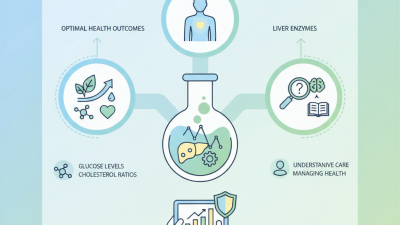
Why Is a Blood Test Important for Your Health?
A blood test is a vital component of modern healthcare. It provides crucial insights into our overall health. Many people overlook this simple procedure. However, understanding the importance of a blood test can lead to proactive health management.
Blood tests can detect underlying conditions early. They check for vitamins, hormones, and organ function. Simple changes in our blood can indicate serious issues. Ignoring these signs might lead to complications in the future. Regular testing allows for quick reactions to health changes.
Moreover, the trust in medical professionals enhances the reliability of test results. Experienced doctors interpret these results clearly. They guide patients toward healthier choices. It's not just about numbers; it's about our lives. A blood test opens doors to conversations about our well-being. Without it, we might miss critical information needed for a better quality of life.
The Role of Blood Tests in Routine Health Assessments
Blood tests play a crucial role in routine health assessments. They provide essential insights into our overall well-being. These tests can reveal hidden health issues. Conditions like diabetes, anemia, and infections can often be detected early. Early detection can lead to timely treatments. This can make a significant difference in health outcomes.
Regular blood tests can help monitor existing conditions too. For example, if someone has high cholesterol, blood tests can track changes over time. Adjustments in diet or medication can be made based on results. However, people often overlook these tests, thinking they are unnecessary. This mindset can lead to preventable health issues.
Healthcare providers emphasize the importance of these tests. They can guide lifestyle changes and medical interventions. Many individuals might feel anxious about the results. It’s important to remember that some results may raise questions. This can prompt deeper discussions with healthcare professionals. Embracing this process can lead to better health management. Regular blood tests, though often viewed as routine, are a critical piece of health maintenance.
Blood Test Results Analysis
Types of Blood Tests and What They Measure
Blood tests are vital for assessing various health conditions. They help detect diseases even before symptoms appear. Many people overlook them, assuming they are only for serious issues. However, regular testing can provide a clearer picture of overall health.
There are various types of blood tests, each measuring different components. A complete blood count (CBC) evaluates red and white blood cells, hemoglobin, and platelets. It can reveal anemia, infections, and other disorders. Basic metabolic panels assess glucose and electrolyte levels. These are crucial for evaluating kidney function and metabolic health.
Lipid panels measure cholesterol and triglycerides. Understanding these levels is essential in heart disease prevention. While blood tests are important, they aren’t infallible. Results can sometimes be misleading. Factors like hydration, stress, or medications may affect outcomes. Regular follow-ups with healthcare providers help interpret these results more accurately.
Understanding Key Blood Parameters and Their Health Implications
Blood tests are essential for understanding your overall health. They provide insights into various key parameters, which can reflect your body's functioning. For instance, a complete blood count (CBC) measures red and white blood cells. Low red blood cell counts may indicate anemia or nutritional deficiencies. The World Health Organization reports that anemia affects one in four people globally, highlighting its significance.
Cholesterol levels are another critical parameter checked in blood tests. The American Heart Association suggests that high LDL (low-density lipoprotein) cholesterol is a major risk factor for heart disease. Regular monitoring can help identify those at risk early. Surprisingly, many people remain unaware of their cholesterol levels, putting their health at risk.
Blood glucose levels are also crucial. The Centers for Disease Control and Prevention states that one in ten Americans has diabetes. High blood sugar can lead to severe complications, yet many remain undiagnosed. A simple blood test could reveal this condition, prompting timely lifestyle changes. Regular check-ups and blood tests help mitigate serious health issues. Ignoring symptoms or avoiding tests can lead to regret later. Prioritizing these health assessments is a necessary step towards maintaining well-being.
Why Is a Blood Test Important for Your Health? - Understanding Key Blood Parameters and Their Health Implications
| Blood Parameter |
Normal Range |
Health Implications |
| Hemoglobin (Hb) |
13.8 - 17.2 g/dL (men), 12.1 - 15.1 g/dL (women) |
Low levels may indicate anemia; high levels may suggest dehydration. |
| White Blood Cell Count (WBC) |
4,500 - 11,000 cells/mcL |
High levels may indicate infection; low levels may suggest bone marrow issues. |
| Platelet Count |
150,000 - 450,000 platelets/mcL |
Low levels can lead to bleeding disorders; high levels may indicate inflammation. |
| Blood Glucose |
70 - 99 mg/dL (fasting) |
High levels may indicate diabetes or glucose intolerance. |
| Cholesterol Levels |
Total: < 200 mg/dL |
High levels can increase risk for heart disease. |
How Blood Tests Help in Early Disease Detection and Management
Blood tests play a crucial role in identifying health issues early. They provide immediate data on various parameters, such as glucose levels, cholesterol, and organ function. According to the American Diabetes Association, regular blood tests can lead to early diabetes detection in up to 90% of at-risk individuals. Early intervention can be the difference between manageable conditions and severe complications.
Healthcare professionals emphasize the significance of routine blood testing. Reports indicate that 70% of all clinical decisions are based on lab results. These tests can reveal silent conditions like high blood pressure or thyroid disorders. Remarkably, nearly 20 million Americans remain unaware of their thyroid problems. Regular testing can change this narrative.
Despite the ease of access to blood tests, many individuals overlook their importance. There is a gap in awareness. Patients may fear needles or simply not prioritize their health. This reluctance can hinder timely diagnosis. However, a simple test could lead to improved health outcomes. Engaging in regular blood work can empower individuals to take charge of their health and mitigate future risks.
The Importance of Regular Blood Testing for Preventive Care
Regular blood testing plays a pivotal role in preventive care. These tests help in identifying potential health issues before they escalate. When detected early, many conditions can be effectively managed. For instance, high cholesterol and blood sugar levels can lead to serious diseases. A simple blood test can alert you to these risks.
Many people overlook their health until symptoms arise. This reactive approach can be dangerous. Blood tests can reveal silent issues. They can pinpoint deficiencies, like low iron or vitamin D levels. Addressing these deficits early may prevent complications. Regular check-ups foster a proactive mindset towards health.
Yet, not everyone prioritizes blood testing. Some feel it’s unnecessary or fear the needle. Others may not understand its importance. Education is crucial in changing this mindset. It’s vital to recognize that prevention is always better than cure. A small effort now can secure your long-term health. Embracing regular blood tests is a step towards a healthier future.

 +86-18343147735
 Email
Email WhatsApp