What is In Vitro Diagnostic and Why is it Important?
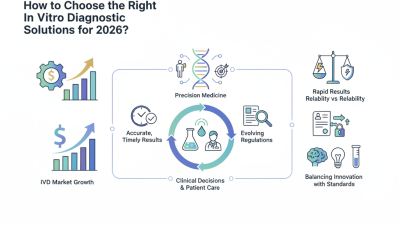
In Vitro Diagnostic (IVD) testing plays a crucial role in modern healthcare. IVD refers to tests done on samples such as blood or tissue. According to a report by Grand View Research, the global IVD market was valued at approximately $85 billion in 2021 and is expected to grow significantly. This growth reflects the increasing demand for accurate diagnostic tools.
The importance of IVD cannot be overstated. It helps in early disease detection and monitoring, which can lead to better patient outcomes. For example, early cancer detection through IVD can increase survival rates by up to 90%. However, there are challenges within the industry. The rapid advancement of technology often outpaces regulatory frameworks, leading to potential inefficiencies.
Moreover, not all IVD tests deliver consistent results. Some tests may yield false positives or negatives, highlighting the need for ongoing quality assurance. Healthcare professionals must navigate this landscape carefully. Understanding the nuances of IVD ensures better decision-making in patient care. As the industry evolves, the focus on reliability and efficacy remains critical.
What is In Vitro Diagnostics?
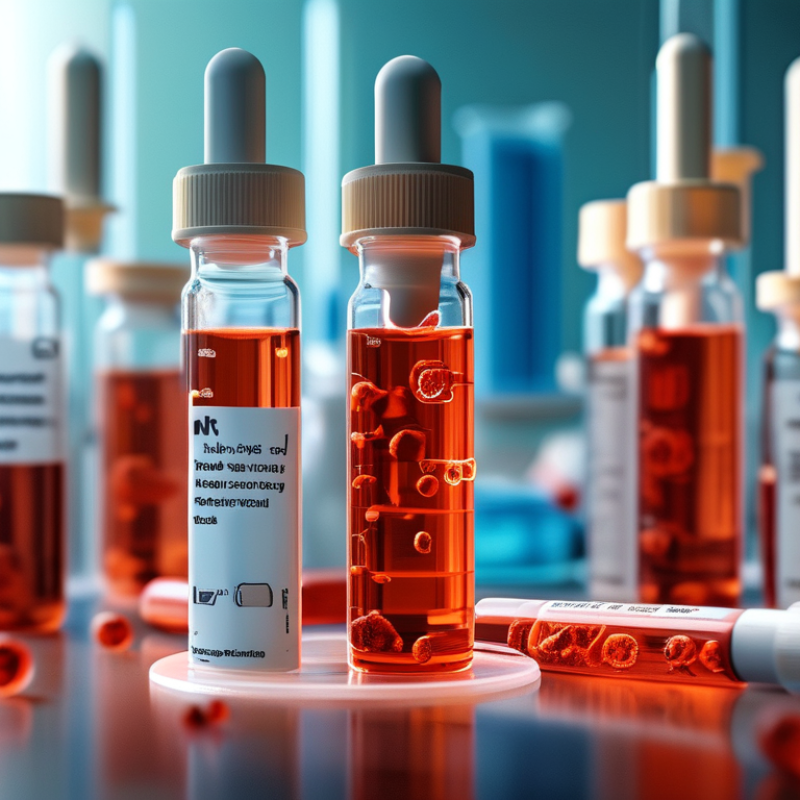
In vitro diagnostics (IVD) refer to tests performed on samples taken from the human body. These samples can include blood, urine, or tissue. The analysis happens outside the body, in a controlled laboratory environment. This method allows healthcare professionals to detect diseases, conditions, or infections effectively. For instance, a simple blood test can reveal high cholesterol levels, prompting further action.
The importance of IVD lies in its ability to provide timely and accurate results. Rapid detection can be crucial in managing diseases like diabetes or cancer. However, the reliability of these tests can sometimes be questioned. Variability in sample handling or processing can lead to false readings. This highlights the need for strict adherence to protocols in laboratory settings. As technology advances, there's an ongoing discussion about enhancing the accuracy and accessibility of these tests. The need for continuous improvement is essential in ensuring patient safety and effective healthcare delivery.
Key Components of In Vitro Diagnostic Tests
In vitro diagnostic (IVD) tests play a crucial role in modern medicine. These tests analyze samples, such as blood or tissue, outside the body. They help detect diseases, guide treatment decisions, and monitor health. Understanding the key components of IVD tests is vital for anyone in the healthcare field.
One core element of IVD tests is the reagents used in testing. These chemicals react with samples to indicate the presence of specific conditions. Accurate reagents are essential for precise outcomes. Equally important is the equipment, which must be calibrated and maintained regularly. The testing devices vary in complexity, from simple kits to advanced machinery.
Quality control is another pivotal aspect. Laboratories must adhere to stringent protocols to ensure results are reliable. Even minor errors can lead to significant consequences. Staff training and competency are also critical, as inexperienced personnel may misinterpret tests. Ensuring these components work seamlessly is a challenge that requires ongoing reflection and improvement.
What is In Vitro Diagnostic and Why is it Important? - Key Components of In Vitro Diagnostic Tests
| Component |
Description |
Importance |
| Reagents |
Substances used to detect or quantify analytes in samples. |
Critical for the accuracy and reliability of diagnostic tests. |
| Controls |
Samples with known results used to ensure test validity. |
Helps in monitoring assay performance over time. |
| Instruments |
Devices used to perform tests and analyze samples. |
Essential for automating processes and increasing throughput. |
| Sample Types |
Different materials (blood, saliva, etc.) from which diagnostics are made. |
Determines the applicability and effectiveness of the diagnostic test. |
| Regulatory Compliance |
Adherence to guidelines and quality standards in diagnostics. |
Ensures safety, efficacy, and reliability of tests. |
| Data Interpretation |
Analysis of test results to diagnose conditions. |
Vital for effective healthcare decision making. |
Importance of In Vitro Diagnostics in Healthcare
In vitro diagnostics (IVDs) play a crucial role in modern healthcare. They allow for the detection and analysis of diseases in a controlled laboratory environment. This enables healthcare providers to make informed decisions about patient management. The accuracy and reliability of these tests are paramount. They can influence treatment plans and patient outcomes significantly.
One area where IVDs excel is in early detection. For instance, blood tests can identify potential health issues long before symptoms appear. This proactive approach allows for timely interventions, which can save lives. However, not all IVDs are created equal. Some tests may have limitations that healthcare professionals must consider. Understanding these nuances is essential for effective patient care.
The importance of IVDs extends to public health monitoring as well. They help track disease outbreaks and assess the effectiveness of treatments. Yet, widespread reliance on these tests can sometimes lead to overdiagnosis. This creates a need for continuous evaluation and improvement of diagnostic tools. In a constantly evolving healthcare landscape, balancing innovation with patient safety remains a pressing challenge.
Importance of In Vitro Diagnostics in Healthcare
Recent Advances in In Vitro Diagnostic Technologies
Recent advances in in vitro diagnostic technologies are reshaping healthcare.
These innovations enhance disease detection and monitoring.
From genetic testing to advanced imaging, the progress is remarkable.
Such technologies help identify conditions earlier, improving patient outcomes.
For example, liquid biopsies aid in cancer diagnostics, offering less invasive options.
New tools leverage AI and machine learning for analysis.
These improvements increase accuracy and efficiency.
However, reliance on technology poses challenges.
Errors can occur, leading to false readings.
Continuous training for medical professionals is crucial to avoid these pitfalls.
Reflecting on the limitations of machines is essential.
Stay informed about these developments.
Keeping up with the latest research can empower patients and practitioners alike.
Always discuss results with healthcare providers for context.
Understanding the nuances of each test matters greatly.
Educational resources can offer clarity on what these technologies mean for personal health.
Challenges and Future Trends in In Vitro Diagnostics
In vitro diagnostics (IVD) plays a crucial role in modern healthcare, yet it faces several challenges. One major difficulty is the rapid advancement of technology. With innovations emerging consistently, laboratories must adapt quickly to keep pace. This constant change can lead to gaps in training for laboratory staff. Insufficient training can compromise the quality of test results.
Another challenge is regulatory compliance. The landscape of IVD regulations is complex and can differ widely across regions. This variability makes it hard for manufacturers to understand requirements. Some devices may face delays in approval, impacting their availability in the market. As a result, healthcare providers may lack timely access to cutting-edge diagnostic tools.
Looking ahead, the future of IVD is promising yet uncertain. Personalized medicine is on the rise, and IVD must evolve to support this trend. Advanced technologies like AI and machine learning can enhance diagnostic accuracy. However, ethical considerations around data privacy will need attention. Balancing innovation with compliance and ethical standards is essential for the field to thrive effectively.

 +86-18343147735
 Email
Email WhatsApp