How to Perform a Blood Sugar Test at Home for Accurate Results?
Performing a Blood Sugar Test at home can empower individuals to monitor their health effectively. Whether you have diabetes or need to assess your glucose levels, understanding the testing process is vital. This skill can help manage your condition more confidently.
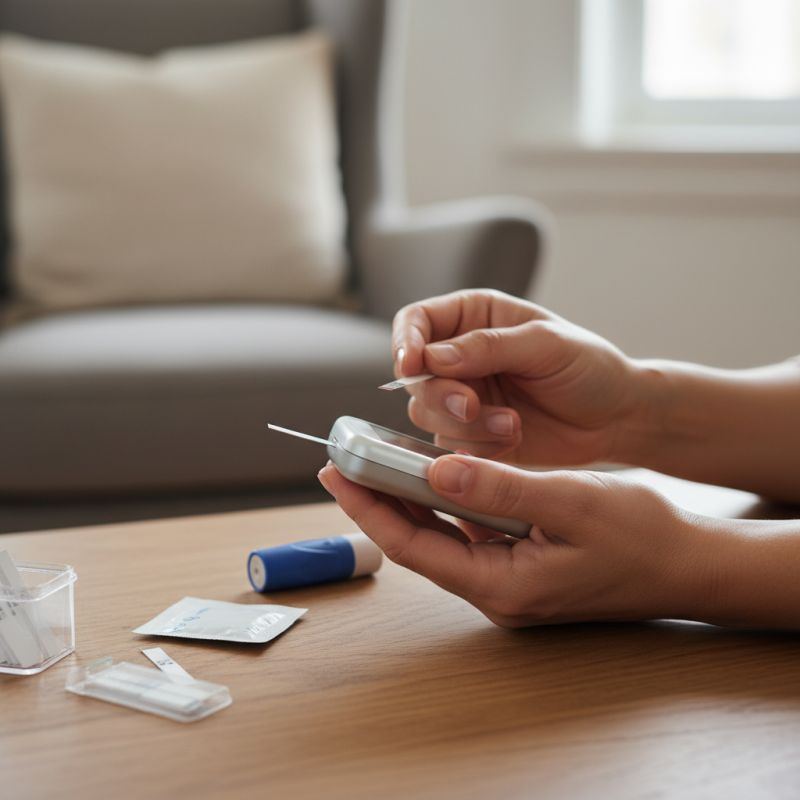
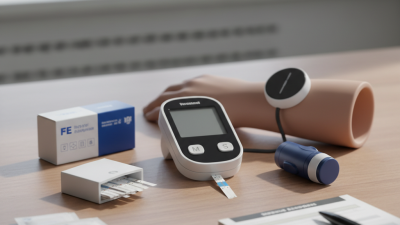
To ensure accurate results, it's essential to follow the correct procedure. Collect all necessary materials, including a glucose meter, test strips, and a lancing device. Proper hygiene is crucial. Washing your hands thoroughly reduces contamination and ensures reliability.
Many people feel anxious about their readings. This anxiety can lead to incorrect techniques or stress, affecting results. It's okay to feel uncertain. Take your time to familiarize yourself with the equipment. Practice brings mastery, which ultimately leads to more accurate Blood Sugar Test results.
Understanding Blood Sugar Testing and Its Importance
Understanding how to test blood sugar at home is crucial for many individuals. Regular monitoring helps in managing diabetes effectively. Understanding your blood sugar levels can guide you in making better dietary and lifestyle choices. This practice provides a snapshot of how your body processes glucose.
Home tests require accurate methods. It’s essential to follow the instructions provided with testing tools. A clean finger and a proper technique ensure reliable results. Even small errors can lead to misleading readings. Users often overlook the importance of timing. Testing two hours after a meal, for instance, can reveal how food impacts your glucose levels.
Having a log of your readings is valuable. It allows you to track trends over time. However, real-world factors often influence these numbers. Stress, illness, and physical activity can skew results. Being aware of these variables fosters better understanding. Always consult with healthcare professionals to interpret your results correctly. Seeking guidance ensures your approach to blood sugar management is well-informed and effective.
Gathering Necessary Supplies for Home Testing
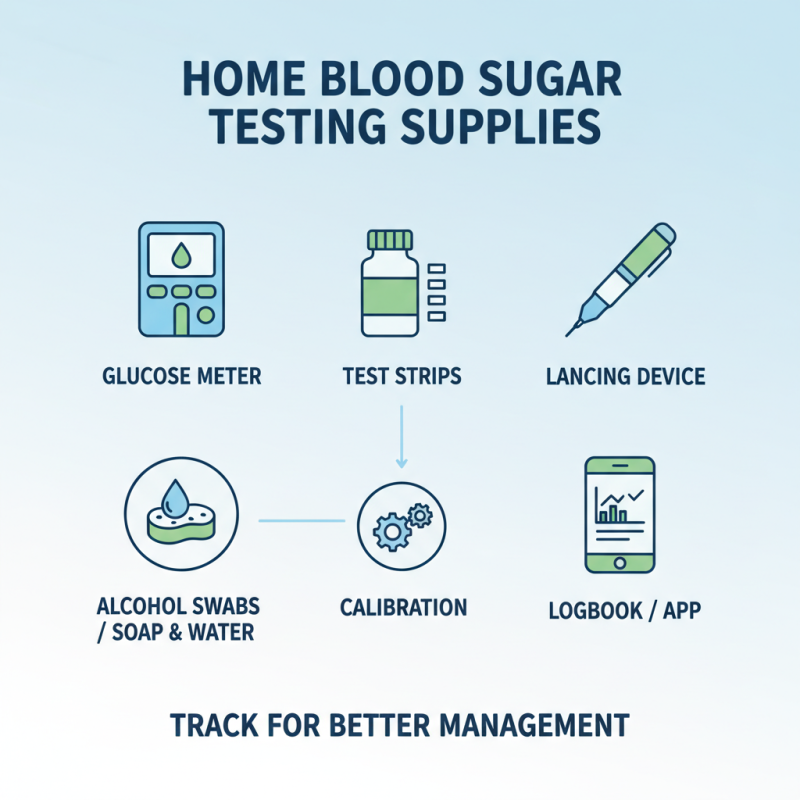
When preparing to perform a blood sugar test at home, gathering the necessary supplies is crucial. You will need a glucose meter, test strips, and a lancing device. Ensure your meter is calibrated to provide accurate readings. It’s also beneficial to have alcohol swabs or soap and water for cleansing your skin before testing. Having a logbook or app to track your results can facilitate better understanding and management of your blood sugar levels.
Choosing the right supplies may feel overwhelming at times. Not every meter or strip works for every individual. Some people prefer meters that offer more features, while others may prioritize simplicity. You might find that certain lancing devices cause discomfort or are difficult to use, requiring you to reconsider your options. Reflecting on your personal experience can help you find tools that suit you best, ensuring accurate and comfortable testing.
Step-by-Step Guide to Performing a Blood Sugar Test
Performing a blood sugar test at home provides valuable insights into your health. To get accurate results, you need to follow a proper procedure. Begin by gathering your supplies. You will need a glucose meter, test strips, and a lancing device. Ensure everything is clean and organized for the testing process.
Wash your hands thoroughly with soap and water to remove any contaminants. Dry your hands completely before moving on. Prepare the lancing device and choose a finger to prick. You should avoid the center of your fingertips. A side fingertip is generally less painful and provides sufficient blood for the test. Once you prick your finger, apply gentle pressure to get a drop of blood.
Now, place the drop of blood on the test strip in the glucose meter. Wait for the meter to display your results. Record the reading, noting the date and time. This information can help you track patterns over time. If your levels seem unusually high or low, reflect on your diet and activity. Mistakes can happen. Double-check your technique next time to enhance accuracy. Regular practice will improve your testing skills over time.
Interpreting Your Blood Sugar Results Accurately
Interpreting your blood sugar results accurately is crucial for managing your health. When testing at home, strive for consistency in your method. Before measuring, wash your hands to avoid contamination. Use the same site for testing each time. Small variations in technique can lead to different readings.
Understanding your results can be tricky. Normal fasting blood sugar levels range from 70 to 100 mg/dL. Levels between 100 and 125 mg/dL indicate prediabetes. Above 126 mg/dL suggests diabetes. Keep in mind that stress, illness, and even hydration can affect readings.
Tips for accurate interpretation include keeping a log of your results. This helps identify patterns or anomalies. If you see unexpected spikes or drops, note your diet and activity. This information is valuable for discussions with healthcare providers. Always consult them for persistent issues. Remember, this process involves trial and error, and that’s completely normal.
Home Blood Sugar Test Results: Weekly Overview
This chart represents the daily blood sugar levels measured over a week. Accurate tracking can help manage your health better.
Tips for Maintaining Consistency in Blood Sugar Monitoring
Maintaining consistency in blood sugar monitoring is crucial for managing diabetes effectively. One key tip is to establish a routine. Testing at the same times each day helps build a reliable pattern. For instance, testing before meals and at bedtime can provide a clearer picture of fluctuations. It’s essential to choose times that fit your lifestyle, as this enhances adherence.
Another vital aspect is to keep a log of your readings. Writing down results can highlight trends. Are there times when your levels spike or drop unexpectedly? Review your data regularly. This practice builds awareness of how food and activity impact your blood sugar. Don’t shy away from noting mistakes or unexpected results; learning from these can improve your management.
Finally, be mindful of environmental factors. Stress and illness can influence blood sugar levels. If your readings seem off, consider whether these factors are at play. Always communicate with a healthcare professional about significant changes. This dialogue ensures you receive proper guidance, adding an extra layer of accountability and support. Consistency doesn’t mean perfection; it means being aware and taking steps to learn and adapt.
How to Perform a Blood Sugar Test at Home for Accurate Results
| Test Method |
Preparation |
Testing Steps |
Tips for Accuracy |
| Fingerstick Test |
Wash hands with soap and warm water, dry thoroughly. |
Use a lancing device to prick the side of a fingertip, apply blood to a test strip. |
Use fresh test strips, calibrate the meter as necessary. |
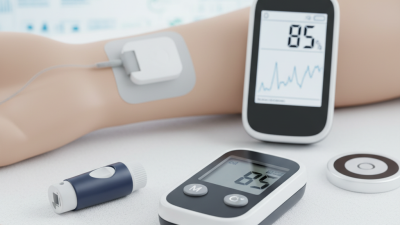
| Continuous Glucose Monitor (CGM) |
Ensure sensor is properly placed and working. |
Check the attached device for glucose readings. |
Avoid calibration during periods of rapid glucose changes. |
| Urine Glucose Test |
Collect urine sample in a clean container. |
Dip urine strip into the sample and wait for results. |
Follow instructions for timing and compare with color chart. |

 +86-18343147735
 Email
Email WhatsApp