How to Choose the Best In Vitro Diagnostic Solutions?
In Vitro Diagnostic (IVD) solutions play a critical role in modern healthcare. They help diagnose diseases, monitor health, and inform treatment decisions. Choosing the best IVD solution can be challenging. It requires understanding the specific needs of patients and healthcare providers.
Factors like accuracy, reliability, and ease of use must be considered. Each IVD solution varies in sensitivity and specificity. Some tests are quicker than others but may compromise on accuracy. This trade-off can impact patient outcomes. It’s essential to evaluate not just the technology but also the company’s track record and reputation.
With an overwhelming number of options available, users often feel lost. The pressure to make the right choice can lead to hasty decisions. Therefore, taking the time to reflect on individual needs and context is key. This approach can help ensure that the selected In Vitro Diagnostic solution meets the highest standards necessary for effective patient care.
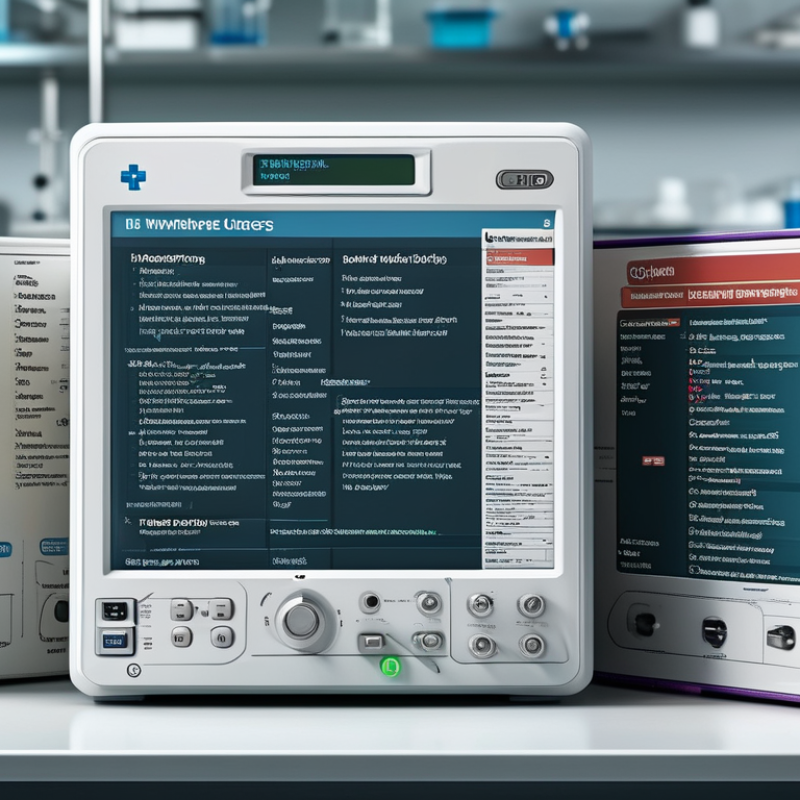
Understanding In Vitro Diagnostic Solutions: A Comprehensive Overview
In vitro diagnostic (IVD) solutions play a crucial role in healthcare. These tests analyze biological samples outside the body. They help identify diseases early, monitor health conditions, and ensure better patient outcomes. Understanding the various types of IVD solutions is essential for making informed decisions.
There are different categories of IVD tests. Some detect infectious diseases, while others assess genetic conditions. Each test offers unique insights. Knowledge of their applications can lead to better choices for patient care. However, not all tests are equal in quality. Variability in accuracy and reliability can pose challenges. It’s vital to evaluate the methodologies used and consult with healthcare professionals.
The landscape of IVD solutions is expanding rapidly. Innovative technologies emerge regularly, promising enhanced diagnostic capabilities. Some tests may look appealing but may lack thorough validation. It's critical to seek evidence supporting their efficacy. Engaging with experts and reviewing clinical data can provide clarity. This approach fosters trust in the chosen diagnostic solutions. The ongoing evolution in this field requires continuous learning and adaptation.
Key Factors to Consider When Choosing Diagnostic Solutions
Choosing the right in vitro diagnostic (IVD) solutions is crucial for effective patient care. Understanding specific factors can guide this process. One primary consideration is the accuracy of test results. Reliable diagnostics must provide consistent and precise outcomes to inform treatment decisions. Quality control measures should be in place to maintain these standards.
Another factor is the ease of use. IVD solutions should offer straightforward procedures that minimize the likelihood of errors during testing. This aspect is particularly important in fast-paced clinical environments. Training for healthcare professionals must also be considered. Proper training ensures that staff are competent and confident in using diagnostic tools. Without this, even the best solutions can lead to faults.
Cost-effectiveness is often debated. While cheaper options may seem appealing, they may compromise quality. Investing in reliable products can save money in the long run. Reflecting on long-term needs versus immediate financial constraints is essential. Companies should not prioritize cost over quality, as this can lead to critical errors. Every testing scenario deserves the utmost attention.
Evaluating the Reliability and Accuracy of Diagnostic Tests
When evaluating in vitro diagnostic solutions, the reliability and accuracy of tests are paramount. A reliable test yields consistent results, while accuracy ensures those results are true reflections of the patient's condition. Each test's sensitivity and specificity should be reviewed closely. Sensitivity indicates how well the test identifies true positives, while specificity gauges its ability to identify true negatives.
Tips: Always check validation studies. Independent validations provide added credibility to the test's claims. Look for peer-reviewed research backing the accuracy rates.
Another aspect is the test's user-friendliness. Complex procedures can lead to errors. Consider how easy it is for healthcare professionals to execute the test effectively. Training and access to clear instructions are essential for maintaining test reliability.
Tips: Seek feedback from practitioners. Real-world experiences can reveal hidden pitfalls or advantages in test design. Engage with forums or professional groups discussing these diagnostic tools.
Comparing Costs and Accessibility of Different Diagnostic Options
Choosing the right in vitro diagnostic (IVD) solutions involves examining both costs and accessibility. According to a report by MarketsandMarkets, the global IVD market is projected to reach $85.2 billion by 2025. While this growth signifies advancements, it also highlights the cost disparity among various diagnostics. For example, molecular tests often come with higher price tags compared to traditional assays. These costs can be a barrier for some healthcare providers.
Accessibility is a crucial factor that often ties back to costs. A study by the National Institutes of Health indicated that nearly 40% of patients in rural areas face difficulties in obtaining timely medical diagnostics. The availability of IVD tests is not uniform. In many cases, advanced diagnostics are more accessible in urban settings. This inconsistency creates a challenge in providing equitable healthcare.
Reflection on these disparities is essential. While advancements in IVD technology provide new opportunities, they risk widening the gap between different populations. More effort is needed to ensure affordable solutions reach every patient, regardless of their location. An inclusive approach could improve health outcomes for marginalized groups. Cost-effective options should not compromise quality or accessibility.
Comparison of In Vitro Diagnostic Solutions: Costs and Accessibility
Staying Informed About Regulatory Standards and Compliance Requirements
Navigating the landscape of in vitro diagnostic (IVD) solutions requires a solid understanding of regulatory standards and compliance requirements. The complexity of these regulations can be daunting. For instance, the FDA estimates that over 80% of medical devices, including IVD solutions, are classified as Class II, which often demands rigorous compliance checks and adherence to quality system regulations.
Keeping abreast of these requirements is essential. A study from the European Commission shows that nearly 30% of IVDs experienced significant delays in market entry due to regulatory hurdles. This reflects the reality that compliance is not merely a box to check; it's crucial for patient safety and product efficacy. Regulatory bodies constantly adapt and update their guidelines. Staying informed is a necessity, not an option.
Moreover, certain markets may have unique compliance challenges. For example, the introduction of the European Union In Vitro Diagnostic Regulation (IVDR) underscores the need for thorough product evaluation. Yet, many companies struggle with the transition due to insufficient knowledge. The evolving nature of regulations can lead to missteps in compliance, risking both financial investment and market share. Continuous education and proactive engagement with regulatory changes can mitigate these risks.

 +86-18343147735
 Email
Email WhatsApp