What Is Glucose Testing and What Types Are Available?
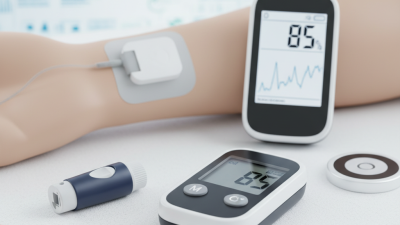
Glucose Testing measures the amount of sugar in your blood. It can help clinicians diagnose diabetes, assess treatment, or investigate symptoms such as unusual thirst and fatigue. The right test depends on the question being asked. A fasting blood sample, for example, is taken after a period without food. An oral glucose tolerance test tracks how blood glucose changes after a measured drink. A1C estimates average glucose over roughly three months. Home meters and continuous glucose monitors show readings over shorter periods, often around meals, exercise, or sleep.
One expert perspective, stated here as an editorial summary rather than a verified direct quotation, reflects the work of endocrinologist Dr. Anne Peters: “A glucose result is most useful when it is interpreted in context, not in isolation.” Timing matters. So can illness, medication, recent food, and the device used. A number on a meter may look precise, yet it is only one piece of the picture. It can be unsettling.
This guide explains the main types of Glucose Testing, what each can reveal, and where each has limits. It also distinguishes laboratory tests from at-home monitoring, which serve different purposes. No single result explains every symptom or replaces a clinician’s assessment. That distinction is easy to overlook. Understanding the test—and its timing—can make the result more useful and help you ask better questions at your next appointment.
What Glucose Testing Measures
Glucose testing measures the amount of glucose, a type of sugar, in blood. Glucose is a major fuel for the body, and its level changes with meals, activity, illness, and some medicines. A test may use a small drop from a fingertip or blood drawn from a vein. The result is a snapshot, not a complete picture of someone’s health.
Timing matters. A fasting test is taken after a period without food, while a random test can be taken at any time. A clinician may also check glucose after a meal or use an oral glucose tolerance test, which tracks levels after a measured drink. These approaches answer different questions, so results need the test conditions for context. A number on its own can mislead.
The A1C test measures the percentage of hemoglobin carrying glucose and estimates average blood glucose over roughly the past two to three months. It does not show today’s level or daily swings. Results can also be affected by factors such as certain blood conditions, pregnancy, or recent blood loss. One reading may be unusual; repeating a test or comparing methods can help clarify what it means. A clinician interprets results alongside symptoms and medical history.
How Glucose Testing Is Performed
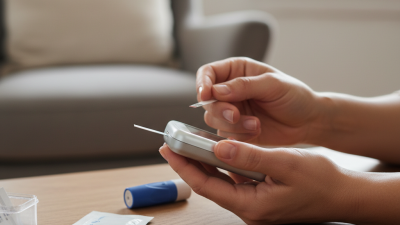
Glucose testing begins with choosing the right method for the question being asked. For a finger-stick test, a clinician or patient washes and dries their hands, then uses a small lancet on the side of a fingertip. A meter reads the blood drop placed on a test strip. The prick is brief. Clean hands matter because food or sugar on the skin can distort a reading.
A laboratory test usually involves drawing blood from a vein in the arm. The sample may be taken after fasting, at a random time, or at set intervals after drinking a glucose solution. For an oral glucose tolerance test, the person drinks the measured solution and has blood collected later, often more than once. Follow the clinic’s instructions about fasting, medicines, and timing; details vary by test. An A1C test measures longer-term average blood sugar and generally does not require fasting.
Small details can change results. Stress, illness, recent meals, and technique may all affect a reading. Home meters are useful for monitoring, but one result alone may not diagnose a condition. If a number seems unexpected, repeat it only as instructed and discuss it with a healthcare professional. That can feel inconvenient, but guessing is less reliable.
Types of Glucose Tests
Glucose tests measure blood sugar at different moments, so their results are not interchangeable. The fasting plasma glucose test measures a sample after at least eight hours without food. The American Diabetes Association’s Standards of Care in Diabetes—2025 defines diabetes-range results as 126 mg/dL or higher. An A1C test estimates average glucose over roughly two to three months; 6.5% or higher is also in the diabetes range. Timing matters.
The oral glucose tolerance test checks a fasting sample, then measures glucose two hours after a drink containing 75 grams of glucose. A result of 200 mg/dL or higher meets the ADA’s diabetes criterion. This test can reveal rises that a fasting test misses, but it takes longer and requires preparation. A random plasma glucose test may help when classic symptoms are present; 200 mg/dL or higher is significant in that context. Unless symptoms and results are unequivocal, clinicians generally confirm an abnormal result with repeat testing. The National Institute of Diabetes and Digestive and Kidney Diseases notes that A1C may be unreliable in some conditions, including certain blood disorders. Home meters and continuous glucose monitors help track patterns, but they are not substitutes for laboratory diagnosis. Small differences in timing, meals, or health can matter. It is easy to overread one number.
What Is Glucose Testing? Types and Diagnostic Thresholds
Glucose tests measure blood sugar at specific times or after a glucose drink. The chart shows diagnostic thresholds for common laboratory glucose tests in nonpregnant adults.
How to read it: These thresholds apply under different testing conditions and are not interchangeable. A random glucose result of 200 mg/dL or higher is diagnostic in the presence of classic diabetes symptoms. Otherwise, an abnormal result is generally confirmed with repeat testing. The A1C test is another common option; it estimates average blood glucose over about 2–3 months, with a diabetes threshold of 6.5%.
How Glucose Test Results Are Interpreted
Glucose test results are interpreted using the test type, timing, symptoms, and medical history. For a fasting plasma glucose test, the American Diabetes Association’s Standards of Care in Diabetes—2025 defines 100–125 mg/dL as the prediabetes range and 126 mg/dL or higher as diabetes-range. A fasting test generally requires at least eight hours without food. An A1C result of 5.7–6.4% indicates prediabetes; 6.5% or higher is diabetes-range. A1C reflects average blood glucose over roughly the previous two to three months. Context matters.
For a two-hour oral glucose tolerance test, 140–199 mg/dL indicates prediabetes, while 200 mg/dL or higher is diabetes-range. A random plasma glucose of 200 mg/dL or higher may indicate diabetes when classic symptoms, such as marked thirst and frequent urination, are present. Unless high glucose is unmistakable, clinicians usually confirm a diabetes-range result with repeat testing. One reading can be affected by illness, stress, recent food, or test conditions. A1C can also be less reliable with some forms of anemia, pregnancy, or altered red blood cells. A home meter helps track patterns, but it does not replace laboratory testing for diagnosis. A borderline result deserves a careful conversation, not a rushed conclusion.
What Is Glucose Testing and What Types Are Available? — How Glucose Test Results Are Interpreted
The ranges below are commonly used to screen for and diagnose diabetes in nonpregnant adults. They are not a substitute for medical advice. Laboratories, clinical circumstances, and pregnancy may require different criteria.
Confirmation matters: In the absence of unequivocal high blood glucose with symptoms, a diabetes-range result is generally confirmed by repeating the same test or using another diagnostic test. Diagnostic cutoffs and monitoring targets are different; a healthcare professional should interpret results in context.

 +86-18343147735
 Email
 WhatsApp