How to Choose the Best Blood Sugar Test for Your Needs?
Choosing the right Blood Sugar Test is crucial for managing diabetes and overall health. With various options available, it's easy to feel overwhelmed. Selecting the best test requires careful consideration of personal needs and lifestyle.
Many people focus solely on accuracy. However, convenience and ease of use are equally important. Some tests require less blood, while others offer faster results. It’s essential to reflect on what works best for your daily routine and preferences.
Consulting healthcare professionals can provide valuable insights. Their expertise helps in understanding the benefits and limitations of each test. It’s vital to weigh the information carefully. Sometimes, the best choice may not be the most obvious one. Prioritizing your specific circumstances will lead to better health management.
Understanding Different Types of Blood Sugar Tests Available
When considering blood sugar tests, it’s essential to understand the various types available. The most common tests include fasting blood sugar, oral glucose tolerance test, and hemoglobin A1c. Each serves a unique purpose in evaluating glucose levels in the body. According to the American Diabetes Association, the A1c test measures average blood sugar levels over the past three months. This test provides a broader picture of diabetes management, rather than a snapshot.
Fasting blood sugar tests require the patient to fast for at least eight hours. This test offers insight into the body's baseline glucose levels. The oral glucose tolerance test assesses how well your body processes sugar after consuming a sugary drink. A study published in the Journal of Diabetes Research noted that this test is beneficial for diagnosing prediabetes. Each method has its own advantages and drawbacks. For example, fasting tests can be inconvenient for some and may lead to variability in results due to external factors.
In addition to these tests, continuous glucose monitoring devices provide real-time data. They offer insights into patterns over time. A report from the Diabetes Technology Society emphasizes the importance of real-time data for proactive management. However, they may not be accessible to every patient. It’s crucial to assess personal needs and preferences. The choice of a blood sugar test should align with individual health goals and lifestyles.
Factors to Consider When Choosing a Blood Sugar Test
When choosing a blood sugar test, various factors come into play. Consider how often you need to monitor your levels. Some tests provide real-time results, while others might require more time to process. Understand your lifestyle and select a method that fits seamlessly into your daily routine. Convenience can significantly affect adherence to testing schedules.
Accuracy is another critical aspect. Look for tests that meet clinical standards. Some methods, like continuous glucose monitors, offer a high level of precision. Yet, they might not always be accessible or affordable. Exploring different options can help you find a balance between precision and practicality.
Lastly, consider the support features offered with the test. Many modern devices come with apps for tracking your data. This can help you see patterns and make necessary adjustments. However, technology can sometimes fail. Always have a backup plan, especially if you rely heavily on these tools. Finding the right test may require some trial and error. That’s part of the learning process.
Comparing In-Home Testing Kits and Laboratory Tests
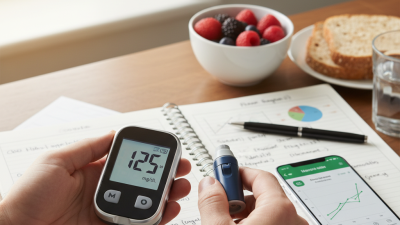
When considering blood sugar testing options, both in-home kits and laboratory tests have their merits. In-home testing kits offer convenience. You can take them anytime and anywhere. They often involve a simple finger prick. Results are usually available within minutes. This can help you track your blood sugar levels daily.
Laboratory tests, on the other hand, provide more accurate and detailed results. A healthcare professional carries them out. They can detect underlying health issues. However, they require a trip to a clinic. This may not be ideal for everyone. It's essential to weigh these options based on your lifestyle and health needs.
Tips: If you prefer convenience, opt for an in-home kit. Check for user reviews to ensure reliability. For comprehensive insights, consider scheduling regular lab tests. Discuss your options with a healthcare provider to find the approach that suits you best. Remember, it's vital to stay informed and proactive about your health choices. Evaluating your resources can lead to better management of your blood sugar levels.
Interpreting Blood Sugar Test Results Effectively
Interpreting blood sugar test results can feel overwhelming. Many people struggle to understand what the numbers actually mean. Testing blood sugar levels provides valuable insights into your health. However, knowing how to interpret these results is crucial for effective management. A typical fasting blood sugar reading should range from 70 to 100 mg/dL. Above this range might indicate risk factors for diabetes.
Many patients notice fluctuations throughout the day. A post-meal reading often spikes higher, sometimes exceeding 140 mg/dL. This variability can confuse patients. Understanding when to test is essential. Results just after meals differ from fasting results. Frequent monitoring helps highlight trends over time. It also exposes inconsistencies that can prompt necessary lifestyle changes.
It's important to remember that one test result doesn't tell the whole story. A single high reading doesn't mean you have diabetes. Context matters. Consult a healthcare professional for a comprehensive analysis. Discuss your findings with them. This collaboration can guide your next steps and help create an individualized plan. Avoid panic; instead, focus on patterns for better management.
How to Choose the Best Blood Sugar Test for Your Needs? - Interpreting Blood Sugar Test Results Effectively
| Test Type |
Usage Frequency |
Result Time |
Sample Type |
Typical Cost |
| Fasting Blood Sugar Test |
Daily |
Minutes |
Blood |
$10 - $20 |
| HbA1c Test |
Every 3 months |
Hours |
Blood |
$30 - $50 |
| Continuous Glucose Monitoring (CGM) |
Continuous |
Real-time |
Interstitial Fluid |
$300 - $500/month |
| Oral Glucose Tolerance Test (OGTT) |
Yearly |
Hours |
Blood |
$40 - $100 |
| Home Blood Sugar Monitoring |
Multiple times daily |
Minutes |
Blood |
$15 - $50 |
Consulting Healthcare Professionals for Personalized Recommendations
Consulting a healthcare professional is essential when selecting a blood sugar test that best suits your needs. Many factors play a role in determining the right method for you, including your health history and lifestyle. Research indicates that people with diabetes should routinely monitor their blood sugar levels; for instance, the American Diabetes Association recommends self-monitoring for those on insulin or certain medications.
Healthcare professionals can provide personalized advice based on your unique circumstances. A report by the National Diabetes Statistics estimated that 37.3 million Americans have diabetes, showing a clear demand for tailored monitoring methods. By discussing your daily routine, diet, and exercise habits, a doctor can help identify the most effective method for glucose monitoring. Continuous glucose monitors (CGMs) may benefit those with erratic blood sugar levels, while traditional fingerstick testing may suffice for others.
Listening to their insights is vital. Every individual's experience with diabetes is different. Some may feel overwhelmed by monitoring tools, leading to inconsistent testing. A healthcare provider can help manage these feelings and establish a consistent routine. They can also address concerns about accuracy and comfort, ensuring that you find a testing method that fits into your daily life.
Blood Sugar Testing Methods Comparison
This bar chart compares the average costs of different blood sugar testing methods. Fingerstick tests are the most affordable, while continuous glucose monitors tend to be more expensive, reflecting their advanced technology and continuous monitoring capabilities.

 +86-18343147735
 Email
Email WhatsApp