How to Effectively Use Glucose Testing for Health Monitoring?
Effective health monitoring is crucial in today’s world. Glucose testing plays a vital role in this process. Dr. Sarah Thompson, a leading expert in endocrinology, emphasizes, “Glucose testing empowers individuals to take control of their health.” This statement underscores the importance of monitoring glucose levels.
Many people only associate glucose testing with diabetes management. However, it can benefit everyone. Regularly checking glucose levels provides insights into overall wellbeing. It can alert users to potential health issues before they escalate. Yet, many overlook this simple yet powerful tool.
People often struggle with the best practices for glucose testing. It's not just about the readings; context matters. Factors like meal timing and physical activity can influence results. Understanding these nuances is essential for effective monitoring. Users must reflect on their habits and how they affect glucose levels. With proper guidance and effective use, glucose testing can enhance health awareness significantly.
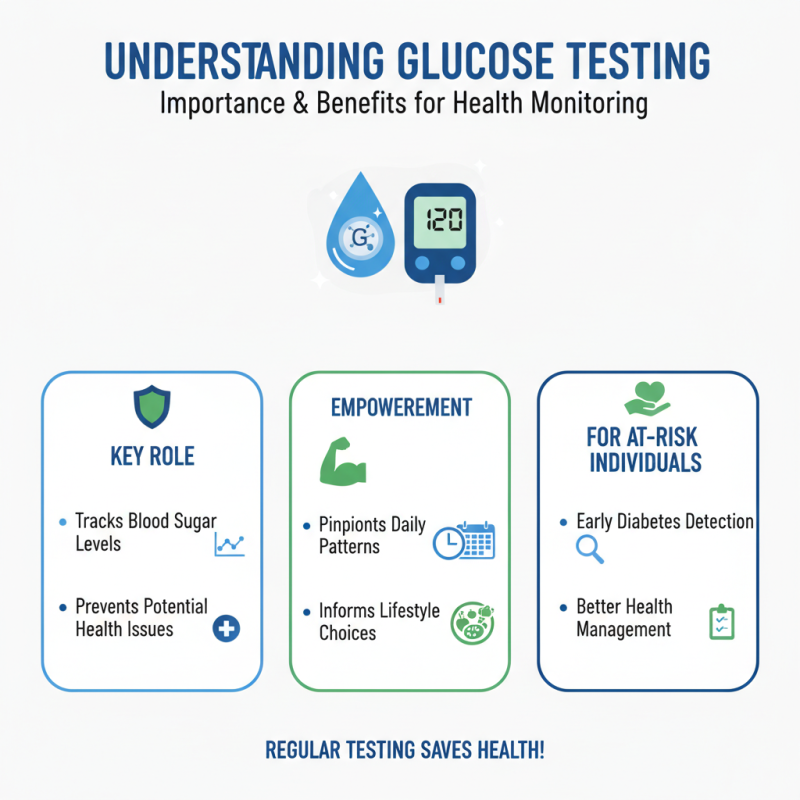
Understanding Glucose Testing: Importance and Benefits for Health Monitoring
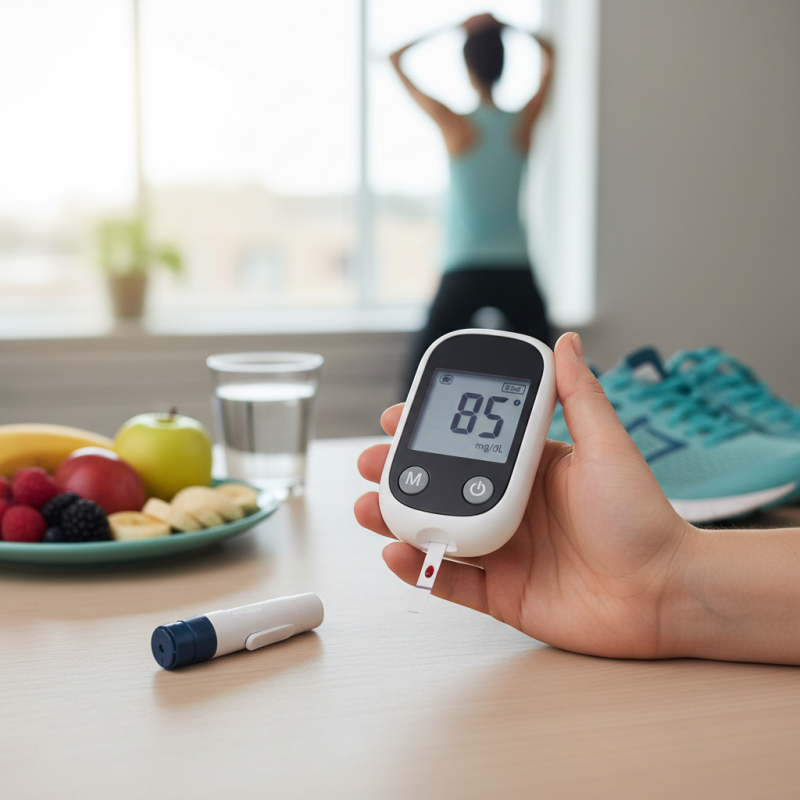
Glucose testing plays a pivotal role in health monitoring. It allows individuals to track their blood sugar levels effectively. Understanding glucose levels can prevent potential health issues. Regular testing can help pinpoint patterns in daily fluctuations. This knowledge can be empowering, especially for those at risk of diabetes.
Monitoring glucose levels can reveal important health insights. For instance, spikes after meals may indicate dietary issues. It’s essential to know how food and stress impact glucose levels. Many people may overlook these connections. By keeping a log of readings, patterns become clearer. Anomalies in levels can suggest a need for lifestyle changes.
Using glucose testing effectively requires dedication. Human error in testing can lead to misleading data. Ensure proper technique for accurate readings. Sometimes, results may need reflection. Higher levels could signal further investigation; lower levels might prompt dietary adjustments. Understanding these complexities helps in making informed health decisions.
Types of Glucose Testing: Fasting, Random, and Continuous Monitoring Explained
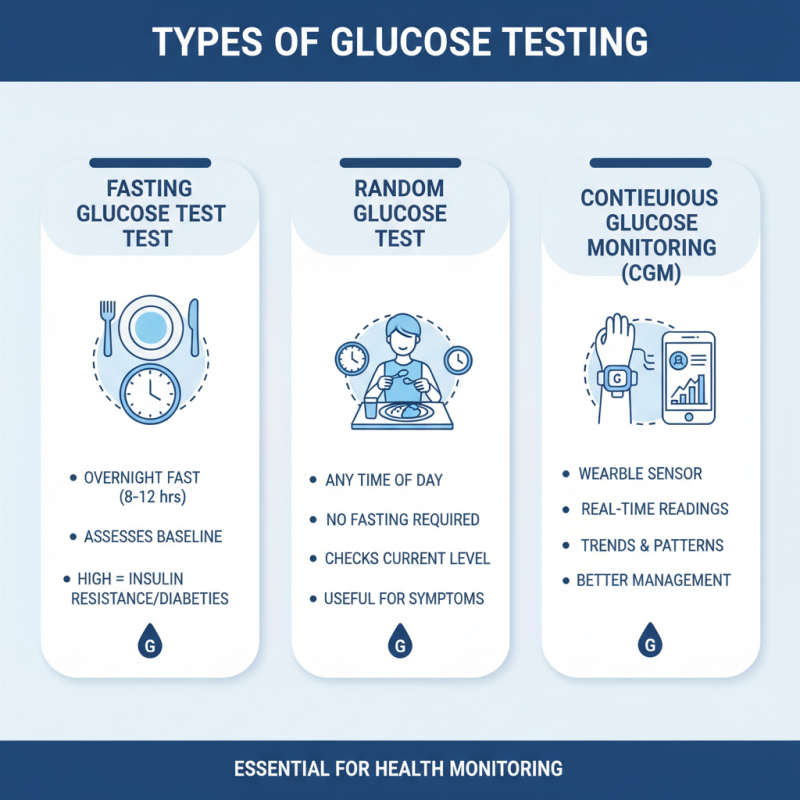
Glucose testing plays an essential role in health monitoring. There are three main types of glucose tests: fasting, random, and continuous monitoring. Fasting glucose tests require you to refrain from eating overnight. This allows for an assessment of your baseline glucose level. It’s typically done in the morning. If results show high levels, it may indicate insulin resistance or diabetes.
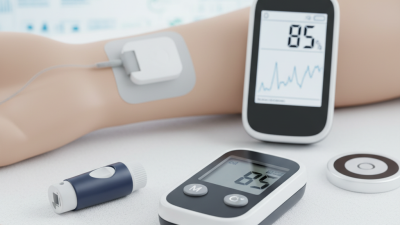
Random glucose tests, on the other hand, can be taken at any time. This test helps assess how your body manages glucose throughout the day. However, the results may vary based on what you’ve eaten. Continuous glucose monitoring offers real-time data. A small sensor is placed under the skin. It tracks glucose levels throughout the day and night. While this method provides valuable insights, it requires commitment to monitor and interpret the data effectively.
Consider your lifestyle when choosing a testing method. What works for one person may not work for another. Regularly monitoring glucose can reveal patterns in your body’s response to food and stress. Adjusting your diet based on this information can lead to better health outcomes. Engaging with healthcare professionals ensures you make informed decisions regarding your glucose management.
Interpreting Glucose Readings: Normal Ranges and What They Mean
Monitoring glucose levels is vital for understanding your health. Glucose readings provide insight into your body's metabolic processes. Normal glucose levels typically range from 70 to 99 mg/dL when fasting. After eating, it should be less than 140 mg/dL. Knowing these ranges helps identify potential health issues early.
Interpreting glucose readings can be complex. Sometimes, levels may fluctuate due to various factors. Stress, illness, or even lack of sleep can impact your numbers. It's essential to consider these variables when assessing your readings. Consistent high levels may suggest insulin resistance or diabetes. Conversely, very low levels might indicate hypoglycemia, which can be dangerous.
It’s crucial to keep a record of your readings and discuss them with your healthcare provider. Engaging in an open dialogue helps clarify what your numbers mean. Regular monitoring, combined with a balanced diet and exercise, promotes better health outcomes. Embracing this process can be both challenging and rewarding. It encourages personal responsibility in managing your health.
Best Practices for Accurate Glucose Testing: Preparing and Timing
Effective glucose testing requires thoughtful preparation and timing. A study published in the Journal of Diabetes Science found that testing at consistent times can improve accuracy. For instance, checking blood sugar levels two hours after meals often provides the clearest picture of how food affects your body. This method aligns with the recommendation of the American Diabetes Association, which emphasizes postprandial testing for better management.
Preparation is crucial for reliable results. Ensure you wash your hands thoroughly, as residual food or sugar can skew readings. The same study highlighted that improper test conditions could lead to significant discrepancies—up to 30%. It’s also wise to check the expiration date of testing strips. Some patients overlook these details, resulting in false readings that can misinform health decisions.
Timing also plays a role in testing effectiveness. Morning levels can indicate fasting insulin sensitivity. But, what if you skip breakfast? Skipping meals can lead to inaccuracies in how your glucose fluctuates throughout the day. Monitoring should be adjusted based on lifestyle habits. Consider keeping a log to identify patterns over time. Missing details can often mean the difference between effective management and mistaken assumptions.
Glucose Levels Monitoring Over a Week
Integrating Glucose Monitoring into Overall Health Management Strategies
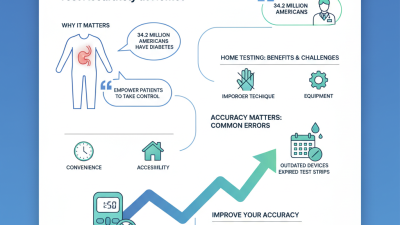
Integrating glucose monitoring into overall health management strategies is becoming increasingly vital. According to the Centers for Disease Control and Prevention (CDC), approximately 34.2 million Americans have diabetes. Regular glucose testing can provide essential insights for managing this condition. Tracking glucose levels helps individuals make informed decisions about diet and exercise.
It is surprising that many people do not use glucose tests effectively. The American Diabetes Association suggests that patients should monitor their blood sugar at least several times a week. This can prevent potential complications like cardiovascular disease or nerve damage. However, many individuals do not fully integrate this practice into their daily lives. They might test glucose levels but fail to adjust their lifestyle accordingly.
Understanding how to interpret glucose data is crucial. For example, many may overlook elevated readings after meals. This can indicate insulin resistance, a precursor to diabetes. A report by the World Health Organization highlights that only a fraction of those with prediabetes realize their condition. This ignorance can delay necessary lifestyle changes. Regular testing, combined with professional guidance, can empower individuals to take proactive steps in managing their health.
How to Effectively Use Glucose Testing for Health Monitoring? - Integrating Glucose Monitoring into Overall Health Management Strategies
| Health Metric |
Target Range |
Typical Causes of Variability |
Recommended Actions |
| Fasting Blood Glucose |
70-100 mg/dL |
Diet, exercise, stress |
Maintain balanced diet; regular exercise |
| Postprandial Blood Glucose |
<140 mg/dL |
Meal composition, physical activity |
Monitor carbohydrate intake; moderate exercise |
| HbA1c |
<5.7% |
Chronic stress, illness, noncompliance |
Regular monitoring; adhere to treatment plan |
| Glucose Levels During Exercise |
Varies based on intensity |
Physical exertion, hydration |
Adjust carb intake; stay hydrated |
| Continuous Glucose Monitoring |
Customizable alerts |
Dietary choices, sleep patterns |
Utilize data for informed dietary changes |

 +86-18343147735
 Email
Email WhatsApp