How to Understand Your Hemoglobin Blood Test Results?
Understanding your Hemoglobin Blood Test results is crucial for effective health management. Hemoglobin is a protein in red blood cells that carries oxygen. A blood test measures your hemoglobin levels and helps assess your overall health. Abnormal levels can indicate various conditions, from anemia to dehydration.
Many patients feel anxious upon receiving their test results. It's common to encounter unclear terminology. Knowing how to interpret these figures is essential. For most adults, normal hemoglobin levels range from 12 to 16 grams per deciliter for women and 14 to 18 grams for men.
Reflecting on your results raises important questions. Are your levels within range? What could cause deviations? Discussing any concerns with a healthcare professional ensures clarity and peace of mind. Understanding your Hemoglobin Blood Test results empowers you to take control of your health.
What is Hemoglobin and Its Role in the Body?
Hemoglobin is a vital protein in red blood cells. It carries oxygen from the lungs to various tissues. It also transports carbon dioxide back to the lungs for exhalation. This essential process supports cellular function and energy production.
Monitoring hemoglobin levels is crucial. Low levels may indicate anemia, causing fatigue and weakness. High levels can result from dehydration or other health issues. The body relies on a delicate balance of hemoglobin for optimal performance.
Tips for maintaining healthy hemoglobin levels include eating iron-rich foods. Leafy greens, legumes, and lean meats are excellent choices. Staying hydrated is equally important. Regular medical check-ups can help track your levels.
Consider dietary supplements if needed. However, consult a healthcare professional first. Understanding your body’s needs fosters better health choices. Being informed can lead to proactive management of your well-being.
How to Understand Your Hemoglobin Blood Test Results? - What is Hemoglobin and Its Role in the Body?
| Parameter |
Normal Range |
Possible Implications |
| Hemoglobin (Hgb) |
13.5 - 17.5 g/dL (Men)
12.0 - 15.5 g/dL (Women) |
Anemia, dehydration, lung disease, or blood disorders. |
| Hematocrit |
38.3% - 48.6% (Men)
35.5% - 44.9% (Women) |
Anemia, hydration status, or heart disease. |
| Red Blood Cell Count (RBC) |
4.7 - 6.1 million cells/μL (Men)
4.2 - 5.4 million cells/μL (Women) |
Anemia, bone marrow problems, or nutrient deficiencies. |
| Mean Corpuscular Volume (MCV) |
80 - 100 fL |
Microcytic anemia, macrocytic anemia, or dehydration. |
Understanding Hemoglobin Blood Test: Purpose and Procedure
Understanding hemoglobin blood tests is vital for assessing health. These tests measure the hemoglobin level in your blood. Hemoglobin carries oxygen from the lungs to the rest of the body. It is essential for overall well-being.
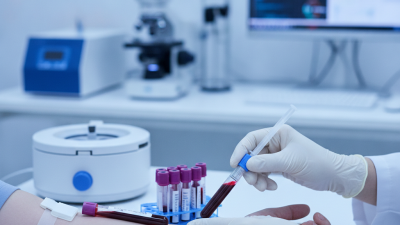
The procedure for a hemoglobin test is straightforward. A healthcare professional takes a blood sample, usually from a vein in your arm. The sample is then analyzed in a lab for hemoglobin concentration. Normal ranges vary based on age and sex. For adult men, normal levels range from 13.8 to 17.2 grams per deciliter. Women typically have levels between 12.1 and 15.1 grams per deciliter.
Factors affecting these levels include hydration, altitude, and certain medical conditions. Anemia or dehydration can result in lower or higher levels, respectively. It's imperative to interpret these results with caution. Not all abnormalities indicate a severe problem. Sometimes, lifestyle factors play a significant role. A thorough discussion with a healthcare provider is recommended for clarity and further testing if needed.
Interpreting Hemoglobin Test Results: Normal Ranges Explained
Understanding hemoglobin test results is crucial for assessing overall health. A typical hemoglobin level ranges from
13.8 to 17.2 grams per deciliter for men, and
12.1 to 15.1 grams per deciliter for women. Values outside these ranges can indicate various health issues. For instance, low hemoglobin may suggest
anemia, while high levels might point to
dehydration or other medical conditions.
When interpreting these results, consider factors like
altitude and
hydration status. Hemoglobin levels may naturally vary due to lifestyle and environmental conditions. A healthy diet rich in iron can improve levels over time. However, some individuals may face challenges in maintaining adequate iron due to dietary restrictions or absorption issues. Monitoring these levels regularly is recommended, especially for those at risk.
Reports indicate that about
1.62 billion people worldwide suffer from anemia, according to the World Health Organization. This highlights the importance of understanding your hemoglobin levels. It’s vital to consult healthcare professionals for deeper analysis and personalized guidance. They can provide insights that broader data cannot fully capture. Each individual’s health story is unique and deserves careful consideration.
Factors Affecting Hemoglobin Levels and Their Implications
Hemoglobin levels in the blood are influenced by various factors that can significantly affect overall health. Nutrition plays a crucial role. Iron deficiency is a common cause of low hemoglobin. According to the World Health Organization, about 1.62 billion people globally are anemic, primarily due to iron deficiency. A lack of vitamin B12 and folate can similarly reduce hemoglobin production. This highlights the importance of a balanced diet rich in these essential nutrients.
Chronic conditions also impact hemoglobin. Diseases such as chronic kidney disease or cancer can lead to lower levels. The Centers for Disease Control and Prevention reports that this type of anemia can persist even with sufficient nutrient intake. Additionally, age and gender are key factors. Men typically have higher hemoglobin levels than women. Studies suggest that hormonal changes, especially during menstruation or menopause, can alter levels in women.
Environmental factors, like altitude, should not be overlooked. Living at high altitudes increases hemoglobin to compensate for lower oxygen levels. Yet, this adaptation can pose challenges for some individuals. Overall, understanding these factors underscores the complexity of interpreting hemoglobin blood test results. It requires ongoing reflection on lifestyle choices and health conditions.
Follow-up Actions Based on Hemoglobin Test Outcomes
Understanding your hemoglobin test results can be crucial for your health. Hemoglobin levels can indicate various conditions, including anemia and dehydration. According to the World Health Organization, normal levels range from 12 to 16 g/dL for women and 13.5 to 17.5 g/dL for men. If your results fall outside these ranges, it is vital to take appropriate follow-up actions.
For low hemoglobin levels, consider dietary adjustments. Incorporating iron-rich foods, like spinach and red meat, may improve your situation. Low hemoglobin might lead to fatigue and weakness. A study published in the American Journal of Clinical Nutrition suggests that 15% of the global population is anemic, emphasizing the importance of early interventions. You should also consult healthcare professionals for further tests or therapies.
High hemoglobin levels can be alarming. They may suggest dehydration or other serious conditions. The Mayo Clinic reports that elevated levels could result from smoking or living at high altitudes. Monitoring hydration and lifestyle changes can help manage this. If levels remain high, further evaluation by a healthcare provider is essential. Regular check-ups can provide insights, facilitating better health outcomes. Be proactive in understanding your results and their implications.
Hemoglobin Levels and Follow-Up Actions
This chart illustrates the distribution of hemoglobin levels among patients. Each bar represents the number of patients in different categories ranging from normal levels to various degrees of anemia. Follow-up actions can be based on these results, including dietary adjustments, supplementation, or further medical evaluation as necessary.

 +86-18343147735
 Email
Email WhatsApp