What is Blood For Test and How Is It Used?
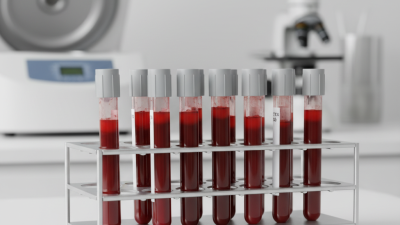
Blood for test refers to the vital samples obtained for medical analysis. Recent reports indicate that over 1.2 billion diagnostic tests involving blood are performed annually in the United States alone. This sheer volume underscores the critical role of blood testing in modern medicine. Accurate results guide treatment decisions, detect diseases early, and monitor health conditions.
The efficacy of blood tests hinges on reliable techniques and technologies. For instance, the Centers for Disease Control and Prevention (CDC) emphasizes standardization in blood sampling to enhance test accuracy. This highlights the need for rigorous protocols in laboratories. Despite advancements, challenges persist. Pre-analytical errors can compromise results, emphasizing the importance of trained professionals in sample handling.
Blood tests can detect various conditions, from infections to chronic diseases. A recent analysis indicated that around 70% of clinical decisions depend on accurate test outcomes. This reinforces the necessity of understanding the complexities behind "Blood for Test." As healthcare evolves, so will the methods and technologies that drive this critical aspect of disease management. Therefore, continuous improvement in testing practices is essential for better health outcomes.

What is Blood for Testing?
Blood for testing plays a crucial role in medical diagnostics. It provides vital information about a person’s health. Routine tests can detect potential issues early. For instance, a complete blood count (CBC) helps assess overall health. It checks for conditions like anemia or infection. According to the CDC, approximately 1 in 10 Americans live with undiagnosed conditions that could be spotted through blood work.
Doctors analyze blood samples to gather insights. They evaluate levels of glucose, cholesterol, and hormones. These details help tailor treatments effectively. The World Health Organization states that timely blood testing can save lives by enabling early intervention. However, blood tests are not infallible. False positives and negatives can occur, leading to unnecessary stress for patients.
Tips: Ensure hydration before a blood test. This makes the process smoother. Always consult healthcare providers with any questions about results. Keeping a dialogue open can foster better understanding. Testing protocols vary; therefore, understanding your specific test is essential. Regular screening is beneficial, but it’s important to revisit the necessity of certain tests periodically.
Blood Test Analysis: Common Tests and Their Utilization
This chart illustrates the number of various types of blood tests conducted annually. It enables health professionals to identify the most commonly utilized tests, helping in understanding patient care needs and resource allocation.
Types of Blood Tests and Their Purposes
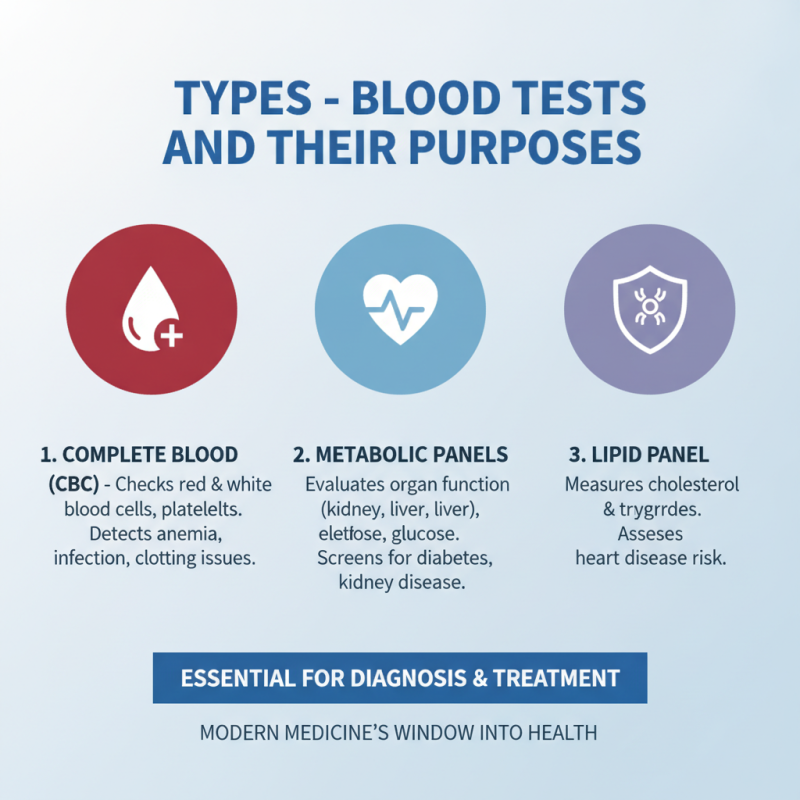
Blood tests are essential tools in modern medicine. They provide critical insights into a person's health. Various types of blood tests exist, each serving specific purposes. Understanding them can be daunting. Yet, each test plays a vital role in diagnosis and treatment.
Complete Blood Count (CBC) is a common test. It measures red blood cells, white blood cells, and platelets. Abnormal levels can indicate infections, anemia, or other conditions. Basic Metabolic Panel (BMP) checks glucose and electrolyte levels. This helps assess kidney function and metabolism. Liver function tests reveal insights into liver health. These tests measure proteins, enzymes, and substances produced by the liver.
Hormone tests are another vital category. They evaluate hormone levels in the blood. This includes thyroid and adrenal hormones. Changes can signal underlying health issues. Blood tests are not always definitive. They often require additional confirmation through imaging or other methods. This underscores the importance of comprehensive evaluations. Physicians rely on these tests to guide effective treatment plans. Understanding these tests enhances patient involvement in their care.
Processes Involved in Blood Sample Collection
Blood sample collection is a vital process in medical diagnostics. It serves multiple purposes, such as disease identification and treatment monitoring. A report from the World Health Organization indicates that improper techniques in blood collection can lead to inaccuracies in test results. This highlights the need for precision and care during the collection process.
The collection of blood samples typically involves several steps. First, healthcare professionals prepare the site with antiseptic methods. This step alone can reduce contamination risks by approximately 30%, according to research published in the Journal of Clinical Microbiology. Next, they choose the appropriate collection device—within the appropriate blood collection tubes—to ensure the sample maintains its integrity. Attention to detail is crucial here, as not all tests require the same type of tubes or anticoagulants.
During the actual collection, venipuncture is commonly performed. This technique should be executed smoothly, ensuring minimal discomfort for the patient. Yet, errors do occur; for instance, up to 30% of blood samples can be rejected due to hemolysis. Such mistakes can delay diagnosis and impact treatment decisions. Proper staff training and adherence to protocols can help eliminate these issues over time.
Interpreting Blood Test Results
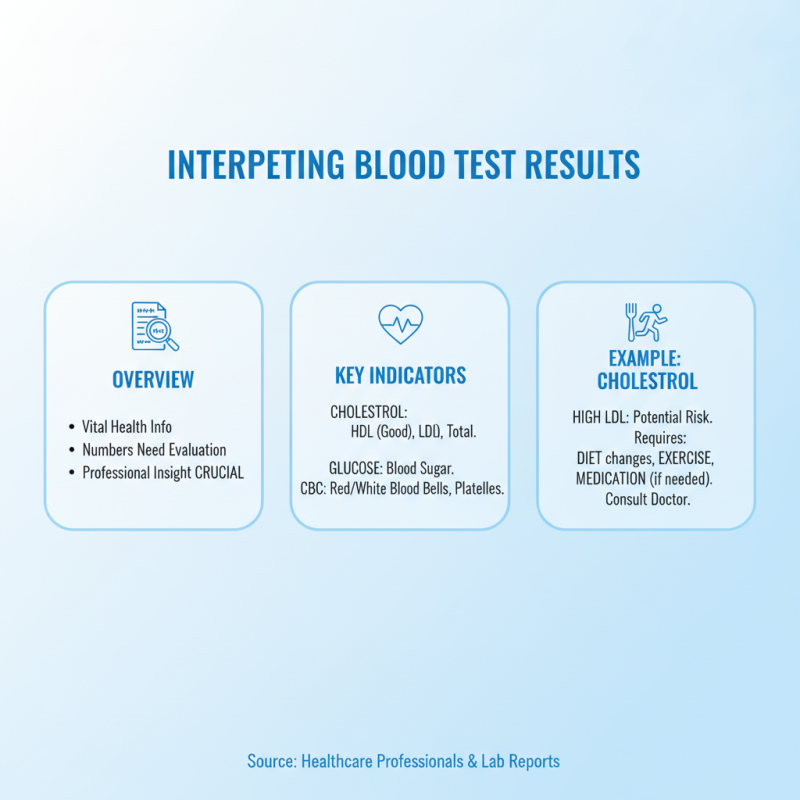
Interpreting blood test results can feel overwhelming. These tests provide vital information about our health. However, understanding what those numbers mean requires careful evaluation. A healthcare professional’s insight is crucial in making sense of results. For instance, elevated cholesterol levels might signal a need for dietary changes or lifestyle adjustments.
Each blood test measures different substances. Common tests assess glucose levels, liver function, and electrolyte balance. Normal ranges can vary by age and gender, which adds complexity. It’s essential to consider these variables when reviewing results. A single abnormal reading isn’t always alarming, but trends over time can reveal underlying issues.
Individual health histories greatly influence interpretation. Two people may have the same results but different health implications. It emphasizes the need for personalized assessments. A holistic approach involves considering symptoms, medical conditions, and family history. Relying solely on numbers may overlook critical context and lead to misunderstandings. Each result should prompt thoughtful discussion rather than jumping to conclusions.
Common Conditions Detected by Blood Tests
Blood tests are vital tools in modern medicine. They help detect a variety of health conditions efficiently. Common conditions identified include diabetes, anemia, and infections. According to the Centers for Disease Control and Prevention (CDC), nearly 34 million Americans have diabetes. Regular blood tests can reveal glucose levels, enabling early diagnosis and management of this chronic disease.
Another prevalent issue is thyroid dysfunction. The American Thyroid Association notes that about 20 million Americans have some form of thyroid disease. Blood tests measuring Thyroid-Stimulating Hormone (TSH) levels are essential. Changes in TSH can signal hyperthyroidism or hypothyroidism, impacting energy levels and overall health.
Infections are also commonly diagnosed through blood tests. The presence of specific antibodies can indicate various infections, from influenza to COVID-19. However, the accuracy of these tests can vary, sometimes leading to false positives or negatives. Continuous advancements in testing methods strive to improve reliability, but some uncertainty remains. These conditions demonstrate the critical role of blood tests in healthcare, emphasizing the need for continued research and development.
What is Blood For Test and How Is It Used? - Common Conditions Detected by Blood Tests
| Test |
Common Condition Detected |
Description |
| Complete Blood Count (CBC) |
Anemia |
Measures the levels of red blood cells, white blood cells, and platelets. |
| Lipid Panel |
Hyperlipidemia |
Assesses cholesterol and triglyceride levels to evaluate heart disease risk. |
| Basic Metabolic Panel (BMP) |
Kidney Dysfunction |
Measures glucose, electrolytes, and kidney function markers. |
| Thyroid Function Tests |
Hypothyroidism/Hyperthyroidism |
Evaluates thyroid hormone levels to check for disorders. |
| Hemoglobin A1c |
Diabetes |
Monitors average blood sugar levels over the past 2-3 months. |
| C-Reactive Protein (CRP) |
Inflammation |
Indicates the presence of inflammation in the body. |

 +86-18343147735
 Email
Email WhatsApp