+86-18343147735


A complete health checkup rarely begins with one “perfect” blood test. It starts with a clear question: What should this test help detect or monitor? A complete blood count can reveal patterns in red cells, white cells, and platelets. A metabolic panel checks markers such as glucose, kidney function, and electrolytes. Lipid testing measures cholesterol and triglycerides. Depending on age, symptoms, family history, and medicines, a clinician may also consider A1C, iron, thyroid, or liver tests. More tests do not automatically mean better care.
The CDC’s National Diabetes Statistics Report, 2024, estimated that 115.2 million U.S. adults had prediabetes in 2021. Many may not know it. That makes glucose and A1C testing important for people with relevant risk factors, but not a substitute for individualized medical advice. Screening researcher Dr. H. Gilbert Welch has cautioned, “More testing is not always better.” His warning matters: a borderline result can lead to repeat tests, worry, or unnecessary treatment when interpreted without context.
This guide to Blood For Test will explain what common tests measure, why clinicians order them, and what questions to ask before a blood draw. A test result is a clue, not a diagnosis. Even a neat row of numbers on a lab report can miss the full picture. Use the list as a conversation starter, not a shopping list; the right panel depends on your health history and a clinician’s judgment.
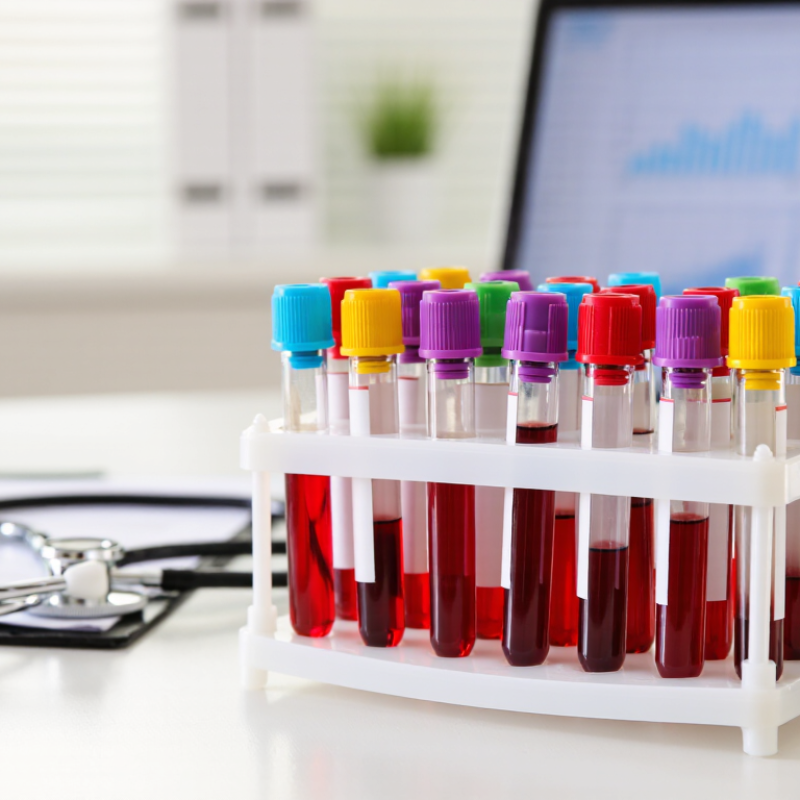
A comprehensive blood checkup is less like a verdict than a set of clues. A complete blood count can flag patterns linked to anemia or infection. A metabolic panel checks glucose, electrolytes, and liver and kidney markers. These results need context. Dehydration, medicines, poor sleep, or a recent illness can shift some values. An elevated result is not a diagnosis. A lipid panel helps assess cardiovascular risk, while A1C reflects average blood sugar over roughly three months. Useful clues, not crystal balls.
The CDC’s National Diabetes Statistics Report (2024) estimates that 38.4 million people in the United States have diabetes, including 8.7 million who are undiagnosed. Glucose or A1C testing may be appropriate depending on a person’s health history and risk factors, such as prior gestational diabetes. Kidney markers matter, too. The CDC’s Chronic Kidney Disease in the United States (2023) estimates that about one in seven U.S. adults has chronic kidney disease, and roughly nine in ten are unaware. Creatinine-based eGFR can reveal reduced filtration, though a urine albumin test may add an important clue. More tests are not always better. Discuss abnormal or borderline results with a clinician, and ask what the finding changes in your care.

A complete blood count (CBC) gives a practical starting point when anemia or immune concerns need checking. It measures red blood cells, hemoglobin, white blood cells, and platelets. Low hemoglobin can suggest anemia, while red-cell size may help clinicians investigate possible causes, including iron or vitamin deficiencies.
The World Health Organization’s estimates for 2019 found anemia affected about 30% of women aged 15–49 and 40% of children aged 6–59 months. These figures show why blood-cell testing matters, but they are population estimates, not a diagnosis for any one person.
White-cell counts and a white-cell differential show the levels of different immune cells. A high or low result may relate to infection, medication, or other conditions, so the number needs context.
Counts are clues. A CBC does not identify every cause of fatigue or frequent infections, and a normal result cannot rule out every problem. Clinicians may compare results with symptoms, medical history, and earlier tests, then order follow-up tests when appropriate.
Even small details matter: recent illness, pregnancy, and some medicines can affect results. Discuss unexpected findings with a qualified healthcare professional rather than interpreting a single number alone.
Kidney, liver, and electrolyte tests offer a practical snapshot of waste clearance, protein production, and fluid balance. A basic metabolic panel measures creatinine, blood urea nitrogen, sodium, and potassium; estimated GFR is calculated from creatinine and other factors. The CDC’s 2023 chronic kidney disease report estimates that more than 1 in 7 U.S. adults has the condition. Many remain unaware. KDIGO’s 2024 guideline recommends checking both eGFR and urine albumin in people at risk.
Liver panels commonly include ALT, AST, alkaline phosphatase, bilirubin, and albumin. Enzymes can rise with liver-cell irritation, while albumin and bilirubin reflect different functions; no single result proves a diagnosis. Electrolytes add detail: potassium supports electrical signaling, and sodium influences fluid balance. Dehydration, medicines, recent exercise, and illness may shift results, so clinicians interpret patterns alongside symptoms and medical history. One awkward truth: a normal panel cannot rule out every early problem. Bloodwork is a starting point, not a verdict.
Tips: Ask whether eGFR, liver enzymes, and electrolytes fit your health risks. Bring a medication list and follow any lab instructions. If a result looks unusual, ask whether repeat testing is needed; don’t change medicines or supplements without clinical advice.
Cholesterol and blood sugar tests reveal different parts of cardiometabolic risk. A lipid panel measures total cholesterol, LDL, HDL, and triglycerides. LDL can contribute to plaque buildup in artery walls; HDL and triglycerides add useful context. The CDC’s 2024 National Diabetes Statistics Report estimates that 38.4 million people in the United States have diabetes, while 97.6 million adults have prediabetes. Those figures make glucose screening hard to dismiss. Still, a population statistic cannot tell one person’s risk.
A fasting glucose test is a snapshot; an A1C test estimates average blood sugar over roughly three months. The American Diabetes Association’s Standards of Care in Diabetes—2025 describes both as screening and diagnostic tools, with repeat testing often needed when results are not clearly abnormal. A clinician may review these alongside blood pressure, age, medications, and family history. One mildly abnormal result deserves context, not panic. And normal results are not a permanent guarantee. Testing intervals should reflect individual risk, and people should discuss unexpected results with a qualified health professional. I find it easy to focus on a single number; that can miss the pattern across tests.
Top Blood Tests for a Complete Health Checkup?
Age, symptoms, and medical history can shape which tests are useful beyond routine blood work. A younger adult with persistent fatigue may need different checks from an older adult monitoring diabetes risk. A clinician may consider thyroid tests, iron studies, or vitamin levels when symptoms and examination support them. These tests are not automatically needed for everyone. Small details matter.
Family history, medicines, pregnancy, and past results can also guide decisions. Depending on the person, a clinician may discuss blood sugar, cholesterol, kidney or liver function, or specific tests linked to a known condition. New symptoms deserve attention: unexplained weight changes, unusual thirst, or ongoing weakness may help determine what to investigate. A lab result is only one clue, though. It should be interpreted alongside symptoms and medical history, not treated as a diagnosis by itself.
Tips: Bring a current medication list and note when symptoms began. Share relevant family conditions and previous abnormal results. Ask what each test could clarify, and whether fasting is needed; do not fast unless instructed. It can feel reassuring to request a broad panel, but extra tests may create confusing results without improving care. Discuss the plan with a qualified health professional.
Additional tests depend on age, symptoms, and medical history. This chart shows commonly used A1C thresholds for assessing blood sugar in non-pregnant adults.