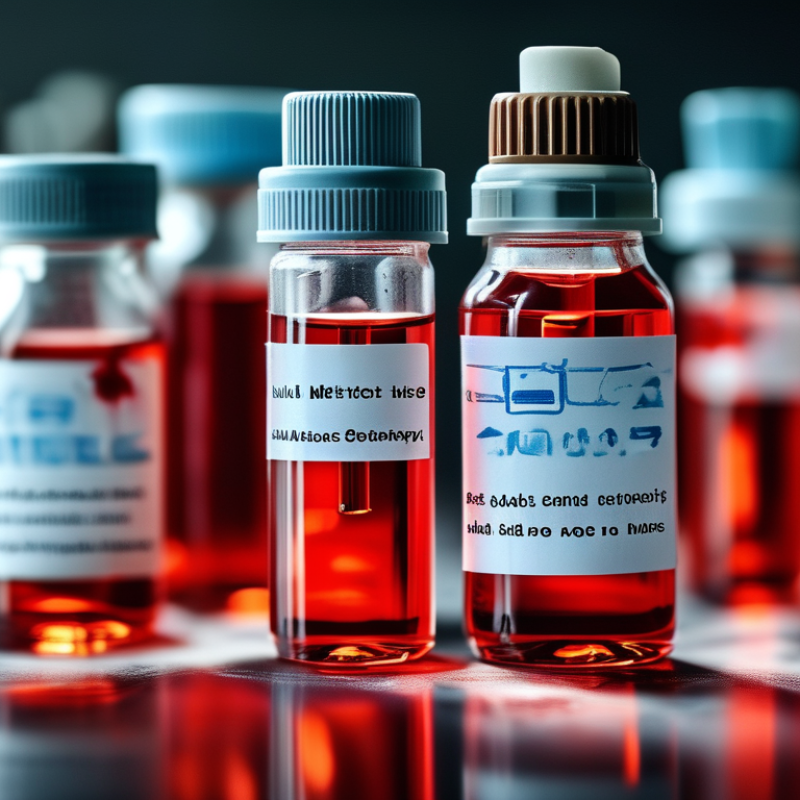
What You Need to Know About Blood Test Blood Supplies?
Understanding blood test blood supplies is crucial for effective healthcare. Blood tests play a significant role in diagnosing diseases and monitoring health. However, the reliability of these tests heavily depends on the quality of blood supplies.
Various factors affect blood test blood supplies. Proper storage and handling are essential to maintain the integrity of samples. Blood can degrade if not treated correctly. Laboratories must adhere to strict protocols to ensure accurate results.
Despite protocols, issues may arise. Contamination or mix-ups can occur during transport. These errors compromise patient care. Healthcare professionals must remain vigilant and continuously evaluate blood supply processes. Improving these systems is not just beneficial; it is necessary for patient safety and trust in medical procedures.
Understanding Blood Supply Systems for Testing
Understanding blood supply systems for testing involves complex logistics and medical protocols. Blood tests are critical for diagnosing diseases. Each sample requires careful handling. Hospitals and labs depend on a steady supply chain to ensure tests are accurate and timely.
Blood supplies must be collected, processed, and stored under strict conditions. This ensures that they remain safe for use. However, there are challenges. Supply shortages can occur unexpectedly. This may lead to delays in testing, affecting patient outcomes.
Transportation of blood samples demands precision. It must be swift to prevent degradation. Some regions face inconsistency in supply due to various factors like natural disasters. This makes it crucial to continuously improve systems. Ultimately, the goal is to provide reliable access to blood when needed most. Regular assessments of these systems are necessary to identify areas for improvement and ensure safety.
Importance of Blood Donations for Accurate Testing
Blood donations play a crucial role in ensuring accurate blood tests. According to the American Red Cross, about 13.6 million people donate blood each year in the United States alone. This resource is essential for conducting various tests that can diagnose conditions ranging from infections to cancer. Without sufficient blood supplies, the reliability of these tests can be compromised.
The need for consistent blood donations cannot be overstated. A report from the World Health Organization notes that blood supplies often fall short of demand. This gap can lead to delays in testing, impacting patient care. In fact, some healthcare facilities report that nearly 40% of blood tests could reach results faster if blood supplies were more stable. Regular donations can bridge this gap, ensuring that testing remains timely and accurate.
Yet, challenges remain. Some donors may hesitate due to misconceptions about the donation process. Studies indicate that up to 30% of potential donors believe they cannot donate due to health concerns. It is vital to educate the public and counter these myths. This will help create a reliable blood supply, ultimately benefiting diagnostic accuracy and patient outcomes.
Types of Blood Tests and Their Required Sample Volumes
Blood tests are essential tools in modern medicine. They provide valuable insights into a person's health. Understanding the types of blood tests is crucial. Each test has its specific requirements for sample volumes. This information can help healthcare providers manage blood supplies effectively.
Common blood tests include complete blood count (CBC) and blood chemistry panels. A CBC typically requires about 5 milliliters of blood. This test helps assess overall health and detect various disorders. Blood chemistry tests, on the other hand, may need 10-15 milliliters. These tests measure glucose levels, liver function, and more.
However, not all tests are straightforward. Sample volume requirements can vary based on patient factors. This means clinicians need to consider each individual's unique situation. Sometimes, a patient may be hesitant to provide blood. In such cases, addressing concerns is vital to ensure accurate testing. Balancing patient comfort and test requirements can be challenging. This requires ongoing communication and understanding.
Blood Test Types and Required Sample Volumes
Factors Affecting Blood Supply and Test Results
Blood supply and test results are influenced by several factors.
Blood collection methods, for instance, can significantly impact the quality of samples.
Improper handling may lead to contamination.
The condition of the storage lab is crucial as well.
According to a report from the American Society for Clinical Pathology,
10% of blood samples in some labs are deemed unusable due to mishandling.
Patient-related factors cannot be overlooked.
The timing of the blood draw can alter results.
A study published in the Journal of Clinical Laboratory Science indicated that levels of certain markers can fluctuate throughout the day.
Stress, hydration status, and diet also play vital roles.
For example, fasting before tests can yield more accurate glucose levels.
Moreover, environmental factors are also notable.
Seasonal changes can impact the availability of blood components.
During winter months, blood donations tend to decrease.
This leads to potential shortages and affects testing frequency.
The National Blood Donor Center reports that emergency rooms often experience a surge in cases during this time.
This discrepancy raises the need for continuous education around donation and testing processes.
There is room for improvement in these areas to ensure both quality supply and accurate test results.
Safety and Regulations in Blood Testing and Supply Management
Blood testing plays a critical role in healthcare. Ensuring safety and regulatory compliance is vital. The World Health Organization (WHO) estimates that around 118.5 million blood donations are collected globally each year. However, the integrity of this supply is paramount. A report from the American Association of Blood Banks indicates that in 2020, 12% of blood samples were contaminated or not suitable for testing.
Regulations surround blood testing and supply to protect patients. The FDA mandates rigorous testing protocols. Facilities must adhere to standards to ensure that infectious diseases are screened effectively. Despite these regulations, discrepancies exist. For example, a 2019 review highlighted that 30% of labs failed to meet the required safety standards. Such inconsistencies raise concerns about the reliability of blood supplies.
Training for healthcare professionals is crucial. They must recognize the importance of proper procedures. Continuous education and monitoring can mitigate risks. Recent studies show that increasing training by 20% can reduce errors in blood handling significantly. Ensuring compliance is not just about regulation; it is about learning from the past and improving systems for the future.

 +86-18343147735
 Email
Email WhatsApp