How to Conduct Accurate Glucose Testing for Better Health?
Accurate glucose testing is essential for managing health. Whether you have diabetes or are monitoring your blood sugar levels, understanding this process can lead to better outcomes. Many individuals rely on faulty methods or instruments, which can skew results.
Education on proper techniques and equipment is vital. For instance, calibrating your glucometer regularly ensures reliability. Washing your hands before testing eliminates contaminants that might affect readings. It’s critical to remember that factors like stress, diet, and medication can influence glucose levels.
Frequent mistakes include using expired test strips or not accounting for environmental conditions. These oversights can lead to incorrect conclusions. Establishing a consistent routine for glucose testing can streamline this process. By being mindful and informed, you can achieve more accurate results that directly influence your health decisions.
Understanding Blood Glucose: The Basics of Glucose Testing
Understanding your blood glucose levels is crucial for overall health. Blood glucose testing is essential for those with diabetes and for anyone looking to monitor their metabolic health. Recent studies suggest that around 34.2 million Americans, or 10.5% of the population, have diabetes. Managing glucose levels can significantly lower the risk of complications.
Accurate testing methods are vital. The American Diabetes Association recommends using a fasting blood glucose test for accurate diagnosis. Normal fasting blood glucose levels range from 70 to 99 mg/dL. Levels above this can indicate prediabetes or diabetes. However, factors such as stress, illness, and even diet can skew results, making consistent testing crucial.
Moreover, utilizing continuous glucose monitors (CGMs) can offer a more comprehensive view. CGMs provide real-time data that can highlight trends over time. However, relying solely on these devices isn't foolproof. Calibration and proper usage are essential for accuracy, and sometimes discrepancies can occur. Regular blood testing and consultations with healthcare professionals are recommended for optimal health management.
Selecting the Right Glucose Meter for Your Needs
Choosing the right glucose meter is essential for effective diabetes management. Different meters have varied features, making it crucial to assess your personal needs. Consider factors like the size of the blood sample, accuracy, and ease of use. A user-friendly meter can help encourage regular testing. Look for devices with clear displays and responsive buttons. This can make daily testing less daunting.
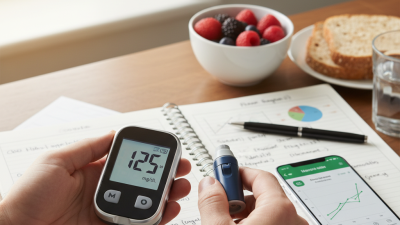
Tips: Check if the meter has features like Bluetooth connectivity. Some meters sync with apps, helping track your readings over time. A handy log can reveal patterns that inform your diet and exercise.
Don’t forget to consider the cost of testing strips. They can accumulate quickly, impacting your budget. Some meters may seem inexpensive, but replacing strips can lead to more spending. Evaluating long-term costs is essential. Lastly, read reviews from other users. Real experiences provide insights into reliability and performance. Adjust your choice based on this feedback to find a meter that suits you best.
How to Conduct Accurate Glucose Testing for Better Health? - Selecting the Right Glucose Meter for Your Needs
| Feature |
Description |
Importance |
| Blood Sample Size |
The amount of blood needed for testing |
Smaller samples reduce discomfort |
| Test Time |
Duration to get results |
Faster results lead to timely decisions |
| Memory Function |
Stores previous test results |
Tracks trends over time |
| Portability |
Ease of carrying the meter |
Convenient for on-the-go testing |
| Cost of Test Strips |
Price of replacement strips |
Affects long-term affordability |
| Calibration |
How often the meter needs calibration |
Ensures accuracy of readings |
| Additional Features |
Such as smartphone connectivity |
Enhances user experience |
Step-by-Step Guide to Proper Blood Sample Collection
Accurate glucose testing begins with proper blood sample collection. This critical step ensures the validity of your results. A study from the American Diabetes Association highlights that incorrect sampling can lead to significant errors in glucose readings. Using the right technique is essential.
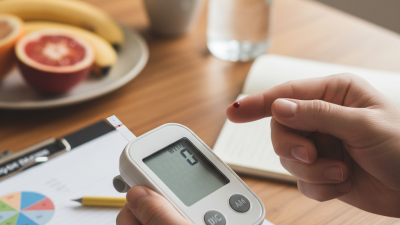
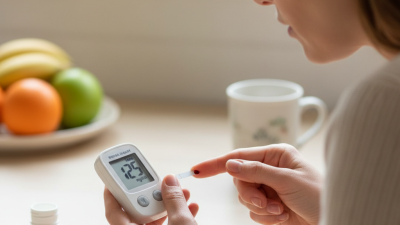
Begin by washing your hands thoroughly with soap and water. This reduces contamination and improves accuracy. Dry your hands completely, as moisture can affect the test results. After that, select the puncture site on your fingertip. The side of the fingertip is preferable, as it is less painful and allows for better blood flow.
When using the lancing device, ensure it is clean and properly calibrated. A study published in the Journal of Clinical Endocrinology & Metabolism noted that improper use of lancing devices can lead to inadequate blood samples. After puncturing, allow a drop of blood to form naturally. Do not squeeze the finger, as this can alter the composition of the blood sample. Collect the blood using a clean test strip or vial, following the manufacturer’s guidelines closely. These steps can help reduce errors and allow for better health management.
Glucose Levels Over One Week
Interpreting Glucose Readings: What Do Your Numbers Mean?
Interpreting glucose readings is essential for managing health. Different numbers indicate various states of glucose regulation. For instance, fasting levels below 100 mg/dL are generally considered normal. However, levels between 100-125 mg/dL indicate prediabetes. Understanding these ranges helps in making necessary lifestyle changes.
After meals, glucose spikes can occur. A reading of over 140 mg/dL, two hours after eating, suggests insulin resistance. Regular monitoring can reveal patterns. It's essential to keep a log of readings, noting time and food choices. This practice aids in recognizing trends and triggers, but it often requires discipline and reflection.
Not every day will be perfect. Some readings might confuse you. A sudden spike after a healthy meal could prompt questions. Learning to interpret these fluctuations is a journey. It involves adjusting diets and activities to find what works best. Consulting professionals can provide tailored insights, ensuring you stay on track.
Tips for Maintaining Accurate Testing and Device Calibration
Accurate glucose testing is crucial for managing diabetes.
Calibration of devices and proper testing techniques can make a significant difference in readings.
According to a report by the American Diabetes Association, improper testing can lead to misleading results.
Up to 30% of home glucose tests can be inaccurate if the device isn’t calibrated correctly.
Tips for maintaining accurate testing include regularly checking device calibration. Most manufacturers recommend calibration before each use or weekly. Ensure your hands are clean and dry before testing.
Avoid using alcohol wipes, as remnants can affect results. Regularly replace test strips, as they can degrade over time if not stored correctly.
Additionally, keep a log of your readings. This can help identify patterns or discrepancies over time.
According to the Journal of Clinical Endocrinology & Metabolism, tracking your results can highlight when you need to adjust your management plan.
Periodically consult with healthcare providers to discuss your findings and ensure your testing technique is up to standard.
Accuracy is essential for your health management journey.

 +86-18343147735
 Email
Email WhatsApp