How to Effectively Perform a Blood Sugar Test at Home?
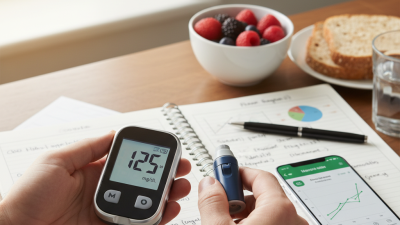
Performing a Blood Sugar Test at home has become essential for many individuals, especially those managing diabetes. Monitoring blood sugar levels can aid in understanding one's health. It allows for quick adjustments in diet and medication. However, many people find this process challenging and overwhelming.
Understanding the procedure is key. You need the right tools, such as a glucose meter and test strips. Knowing how to use these correctly can make a significant difference. Small mistakes can lead to inaccurate readings. This emphasizes the importance of proper techniques and preparation.
Moreover, familiarity with normal ranges is crucial. Different factors can affect blood sugar levels, including diet and stress. Recognizing personal patterns can help in managing symptoms better. Learning to perform a Blood Sugar Test effectively at home empowers individuals to take charge of their health. While mistakes may happen, the goal is to learn and improve with each test.
What You Need for an Accurate Blood Sugar Test at Home
To achieve accurate blood sugar tests at home, preparation is key. You’ll need several essential tools. A reliable glucose meter is crucial. Choose one with FDA approval for consistent results. According to the American Diabetes Association, using an FDA-approved meter can reduce testing errors significantly.
Other necessary items include test strips and a lancing device. These components work together to ensure accurate readings. Always check the expiration dates on test strips. Expired strips can yield unreliable results. You should maintain proper storage conditions as well. High humidity or extreme temperatures can negatively impact the strips’ integrity.
Having a clean and well-lit area for testing can enhance accuracy. Wash your hands thoroughly with soap and water before pricking your finger. Drying your hands can prevent error from any residual moisture. Remember to take a moment to reflect on your results. Consistent high or low readings may indicate the need for consultation with a healthcare professional.
Steps to Prepare for a Blood Sugar Test
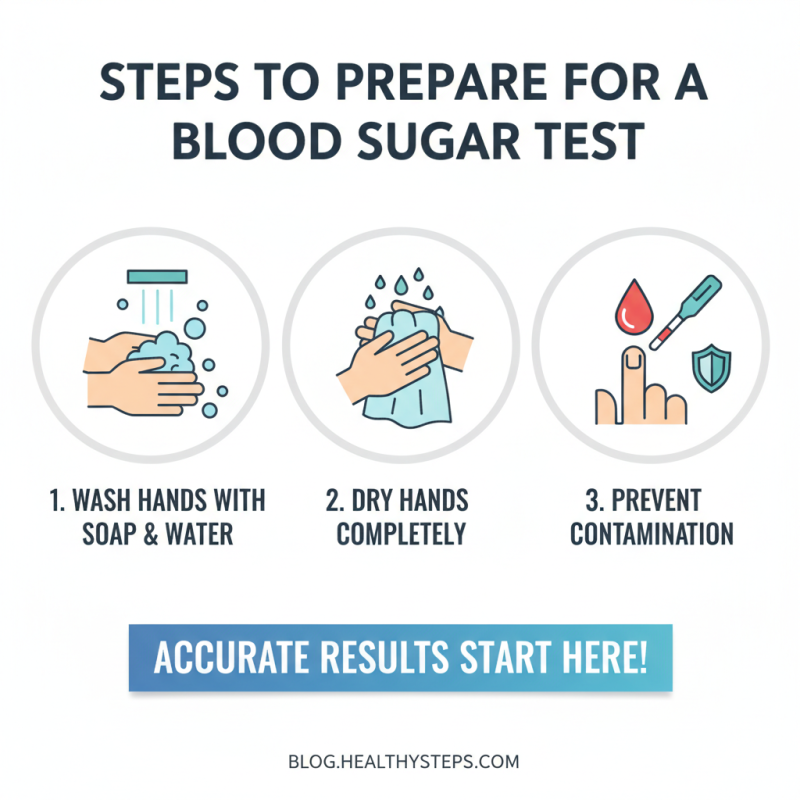
Preparing for a blood sugar test at home involves a few essential steps. Start by ensuring your hands are clean. Wash them thoroughly with soap and water. This reduces the chance of contamination, which can affect your results. Dry your hands completely, as moisture can influence blood sample quality.
Gather your testing supplies. This includes a glucose meter, test strips, and a lancet. Make sure these tools are within reach before you start. Check the expiration dates on your test strips. Using expired strips can lead to inaccurate readings.
Before the test, consider your last meal. If you recently ate, your reading may be higher than usual. Fasting for at least eight hours is often recommended for accurate results. This can be a challenge, especially when hunger strikes. However, it's crucial for reliable data. If results frequently vary, reflect on your routine and dietary habits. Adjustments might be necessary for consistent outcomes.
How to Properly Use a Blood Glucose Meter
Using a blood glucose meter at home can be straightforward if you follow the correct procedure. Start by washing your hands thoroughly. This step is crucial. Clean hands reduce contamination risks. Make sure they are dry before starting. Open the meter and check that it’s ready to use. Familiarity with your device ensures accurate results.
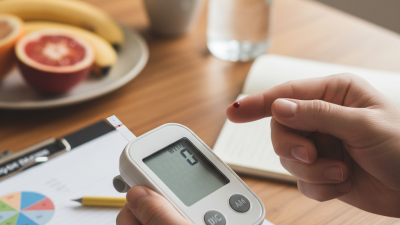
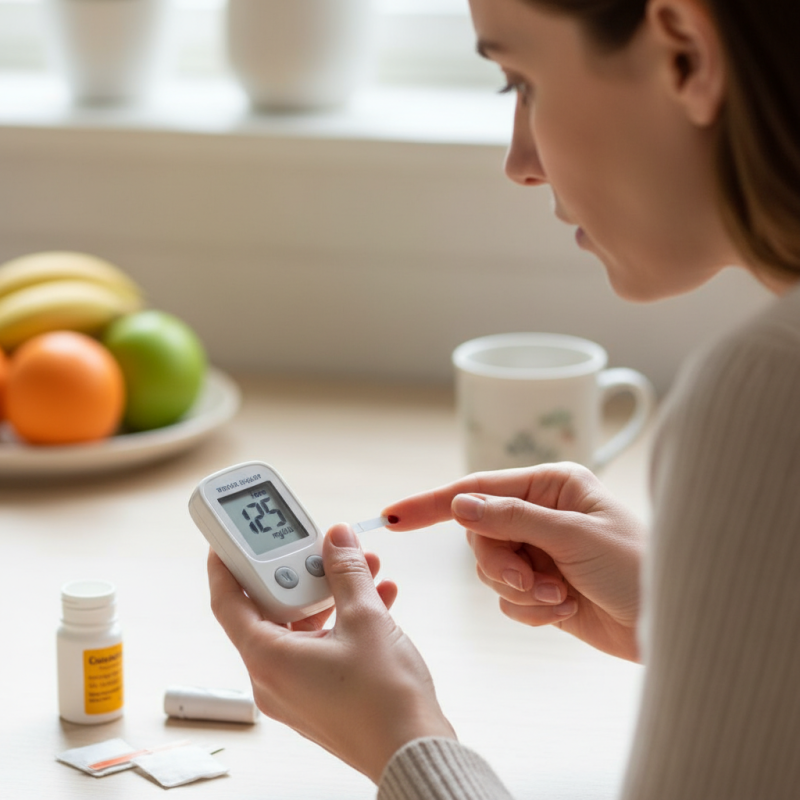
Next, prepare a test strip and insert it into the meter. The display should indicate it's ready for a sample. Gently prick the side of your fingertip with the lancing device. This method minimizes pain. A tiny blood drop is all you need. If you don’t see enough blood, try a different spot on your finger. Each attempt might yield different results.
When the sample is applied, wait for the reading. Note it down for future reference. Consistency helps in tracking your blood sugar trends. If the reading seems too high or low, don’t panic. It may vary due to numerous factors like diet or stress. Reflect on any recent activities before reacting. Regular testing builds confidence in managing your health.
Blood Sugar Levels Throughout the Day
Interpreting Your Blood Sugar Test Results
Interpreting your blood sugar test results is crucial for managing your health. After taking a blood sugar test, you will have a number that indicates your glucose level. It’s vital to know the normal ranges. Generally, a fasting blood sugar level under 100 mg/dL is considered normal. However, levels between 100 to 125 mg/dL may indicate prediabetes. Those exceeding 126 mg/dL may suggest diabetes.
Keep in mind that these numbers can vary. Different factors can affect your results, such as medication, stress, or recent meals. It is essential to track your blood sugar over time, not just at one point. A single high reading isn't conclusively alarming, but consistent patterns can signal a problem. Reflect on your diet and activity levels when interpreting these results.
Ask yourself questions. Have you noticed trends? Are there specific times your levels spike? Documenting this information will help you and your healthcare provider make informed decisions. Remember, understanding your numbers is empowering. It enables you to take control of your health journey effectively.
How to Effectively Perform a Blood Sugar Test at Home? - Interpreting Your Blood Sugar Test Results
| Test Method |
Optimal Range (mg/dL) |
High Result (mg/dL) |
Low Result (mg/dL) |
Notes |
| Fasting Test |
70-100 |
>126 |
<70 |
Test in the morning after fasting for at least 8 hours. |
| Postprandial Test |
<140 |
>200 |
<70 |
Test 2 hours after a meal. |
| Random Test |
<200 |
>200 |
<70 |
Can be done at any time, regardless of the last meal. |
| A1C Test |
<5.7% |
>6.5% |
<5.0% |
Reflects average blood glucose levels over the past 2-3 months. |
Tips for Maintaining Consistent Testing Practices
Maintaining consistent blood sugar testing practices at home is essential for effective diabetes management. According to the American Diabetes Association, regular monitoring can help individuals understand their glucose levels better. This understanding can lead to more informed dietary and lifestyle choices.
One tip for maintaining consistency is to establish a routine. Test your blood sugar at the same times each day. This helps create a habit and ensures you don't forget. For example, testing in the morning before breakfast can provide insight into overnight changes. Another crucial aspect is to keep a log of test results. This can help identify patterns and potential triggers affecting your levels. Consistency in testing is linked to better long-term outcomes.
However, it’s essential to note that not every day will be perfect. Some days, you may forget to test, or the readings might seem erratic. Don’t be discouraged by occasional fluctuations in your blood sugar. Reflect on your overall trends rather than individual readings. Staying flexible and open about your testing practices can lead to improvements over time.

 +86-18343147735
 Email
Email WhatsApp