+86-18343147735


Choosing among the 7 Best Blood Test Kits for Home Testing can feel surprisingly complicated. A small finger prick, a collection card, and a return envelope may look simple. The science behind them is not.
This guide examines how each kit handles sample collection, laboratory processing, result reporting, privacy, and follow-up care. We consider tests for cholesterol, blood sugar, hormones, vitamins, and common health markers. Some kits use a few drops of blood. Others require more careful preparation, fasting, or temperature-controlled shipping. Tiny details matter. A warm package or an underfilled tube can affect reliability.
Dr. Michael Mina, a physician-scientist recognized for his work in diagnostic testing, has emphasized, “A test is only as good as the timing of the test.” That reminder applies to every Test Blood Test service. A convenient kit cannot replace clinical judgment, especially when symptoms are serious or results appear unusual. Laboratory accreditation, regulatory authorization, transparent pricing, and access to qualified medical professionals deserve equal attention.
We will compare practical strengths and weaknesses, not promise perfect answers. Home testing can save time, yet it may also create confusion. I have found that clear instructions are often more valuable than flashy dashboards. Still, even careful users can make mistakes. A rushed finger prick, missed fasting period, or delayed shipment may change the outcome. Use this review as a starting point, then discuss meaningful results with a licensed healthcare professional.
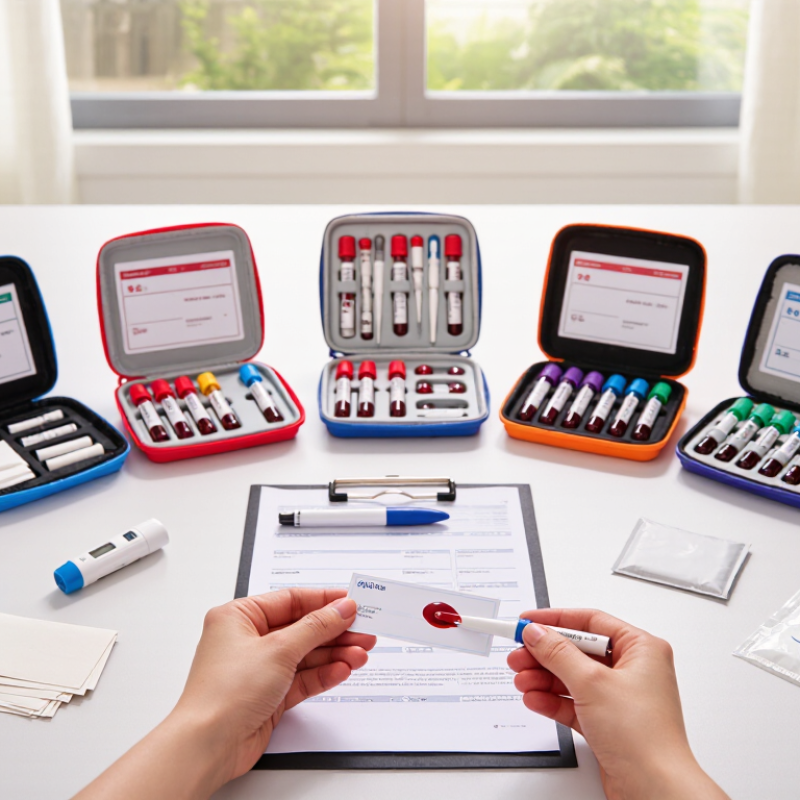
At-home blood testing can make health checks more convenient, but convenience is not the same as clinical accuracy. A finger-prick sample may measure glucose, cholesterol, hormones, or antibodies, depending on the kit. Each test has different limits. The U.S. Food and Drug Administration advises users to check authorization status, follow collection instructions, and understand when professional testing is needed. In practice, sample quality matters greatly. Cold hands, expired materials, or excessive squeezing can change the result.
The numbers deserve context. The Centers for Disease Control and Prevention reported in its 2024 National Diabetes Statistics Report that 38.4 million Americans had diabetes, including 8.7 million undiagnosed cases. A home glucose result may prompt useful action, but it cannot explain every symptom. For cholesterol or hormone testing, timing, medication, fasting, and recent illness may also influence results. I would not treat one surprising reading as a diagnosis. That is an easy mistake.
Tips: Choose a kit with clear performance data, independent laboratory processing, and transparent reference ranges. Check whether the laboratory follows CLIA requirements or equivalent quality standards. Record the collection time, symptoms, and medications. If a result is abnormal, repeat it through a healthcare professional, especially when symptoms are urgent. Read the privacy policy carefully. Your blood data is sensitive. One practical detail is often missed: a damaged lancet or poorly sealed sample can delay testing or produce an unusable result. Expect some uncertainty. Home testing is helpful, but it is not infallible.
Home blood test kits work by collecting a small capillary blood sample, usually from a fingertip. A sterile lancet creates the puncture, and drops of blood enter a strip, cartridge, or collection tube. The device may analyze the sample immediately, or send it to a certified laboratory for testing.
Different kits measure different biomarkers, such as glucose, cholesterol, hormones, or antibodies. Some use chemical reactions that create a visible line or digital reading. Laboratory-based kits often require dried blood spots or a small liquid sample. Follow the timing instructions carefully. Too little blood, an unclean finger, or delayed mailing can affect the result.
Small details matter.
Before testing, wash and dry your hands. Avoid squeezing the finger aggressively, because tissue fluid may dilute the sample. Check the expiry date and confirm that the control indicator works. A result is information, not a diagnosis. Illness, medication, dehydration, and recent exercise can influence measurements. A normal reading may still miss a developing problem, while an abnormal reading may need confirmation through venous testing. This limitation is easy to underestimate. For concerning symptoms or unexpected results, discuss them with a qualified healthcare professional. Choose kits with clear instructions, transparent laboratory credentials, secure result handling, and accessible clinical support.
| Rank | Home Test Type | Best For | Sample Required | Typical Results Time | What It Measures | Main Benefits | Important Limitations |
|---|---|---|---|---|---|---|---|
| 1 | Blood Glucose Test | Frequent monitoring of blood sugar | Finger-prick capillary blood | Usually within seconds when tested with a compatible meter | Current blood glucose concentration | Fast, convenient, and useful for identifying glucose patterns before or after meals | A single reading cannot diagnose diabetes. Results may be affected by food, illness, medication, dehydration, or incorrect hand washing. |
| 2 | Hemoglobin A1c Test | Estimating average blood sugar over the previous two to three months | Finger-prick capillary blood | Several minutes with an approved analyzer or several days through a laboratory service | Percentage of hemoglobin attached to glucose | Less affected by a single meal and provides a longer-term view than a standard glucose test | Results can be less reliable with some forms of anemia, hemoglobin disorders, recent blood loss, pregnancy, or certain medical conditions. |
| 3 | Lipid Panel Test | Checking cholesterol and triglyceride levels | Finger-prick capillary blood | Minutes with an on-site analyzer or approximately one to several days through a laboratory | Total cholesterol, HDL cholesterol, LDL cholesterol, and triglycerides | Supports cardiovascular-risk discussions and can show changes after lifestyle or treatment adjustments | Fasting requirements vary. Triglycerides may be influenced by recent food, alcohol, illness, and some medicines; cardiovascular risk should not be judged from one value alone. |
| 4 | Thyroid-Stimulating Hormone Test | Initial screening for possible thyroid dysfunction | Finger-prick dried blood spot or capillary blood | Commonly one to several days when processed by a laboratory | Thyroid-stimulating hormone, which helps regulate thyroid activity | Can provide a convenient first screening result for people with symptoms or a history of thyroid problems | TSH alone usually cannot identify the cause of an abnormal result. Free T4, additional testing, symptoms, and clinical history may be needed. |
| 5 | Ferritin and Iron-Status Test | Assessing stored iron and possible iron deficiency | Finger-prick dried blood spot or capillary blood | Usually several days through a laboratory | Ferritin, with some panels also measuring hemoglobin, serum iron, or transferrin-related markers | May help investigate fatigue, reduced exercise tolerance, or suspected low iron stores | Ferritin can increase during inflammation, infection, liver disease, or other conditions. Abnormal results require clinical interpretation and may need a full blood count. |
| 6 | Vitamin D Test | Checking vitamin D status when deficiency is suspected | Finger-prick dried blood spot or capillary blood | Often several days to approximately one week through a laboratory | Usually 25-hydroxyvitamin D, the standard marker of vitamin D status | Convenient for people who have limited access to a clinic or need follow-up monitoring | Target ranges differ by laboratory and medical context. Supplements should not be started or increased solely on the basis of an unreviewed home result. |
| 7 | Blood-Based Infection Screening | Screening for selected infections such as HIV, hepatitis, or syphilis, where an approved test is available | Finger-prick capillary blood or a laboratory blood sample | Rapid tests may take minutes; laboratory testing commonly takes several days | Specific antibodies, antigens, or other markers related to an infection | Can improve access to screening and may offer privacy and convenience | A reactive result is not always a diagnosis and generally requires confirmatory laboratory testing. A negative result may be unreliable if testing occurs during a window period after exposure. |
Home blood testing can make routine health checks more convenient, especially for people managing busy schedules. Yet “best” depends on the test, sample method, laboratory quality, and follow-up support.
A finger-prick kit is often the simplest option. It may measure glucose, cholesterol, or selected vitamins. A dried blood spot kit uses several drops on collection paper. This format can support broader laboratory analysis when handled correctly.
A capillary tube kit collects more blood than a standard finger prick. It may suit panels that need extra volume. An at-home hemoglobin kit can help screen for possible anemia, but it cannot identify every cause of fatigue. A blood glucose monitoring kit provides immediate readings for daily tracking. Results can change after meals, exercise, stress, or poor hand cleaning.
A coagulation testing kit measures clotting time and usually requires careful instruction. It may be relevant for people already receiving clinical guidance.
A genetic blood test kit examines selected inherited markers. Its findings can be complex, incomplete, or emotionally difficult.
Never treat a home result as a diagnosis.
Check whether an accredited laboratory processes the sample and whether the test follows local regulations. Follow the timing, storage, and mailing instructions closely. Small handling mistakes matter. I would also compare privacy policies before sending genetic material. Home testing feels empowering, but convenience can create false confidence. A clinician should review unusual, unclear, or concerning results.
Choosing among the seven best blood test kits starts with accuracy, not packaging. The U.S. Food and Drug Administration recommends that over-the-counter glucose meters deliver 95% of results within 15% of laboratory values, and 99% within 20%. This benchmark helps, but it does not cover every biomarker. Check the kit’s analyte, validation method, and whether results receive professional review.
Cost needs a wider lens. The advertised price may exclude shipping, laboratory processing, or follow-up consultation. Compare the complete purchase, not only the box. The Centers for Disease Control and Prevention reported that 38.4 million Americans had diabetes in 2021, showing why repeat glucose testing can become a meaningful household expense. A low-cost kit may be poor value if one difficult finger-prick causes a failed sample.
Ease of use is practical, not cosmetic. Look for clear collection steps, stable packaging, visible expiry dates, and realistic turnaround times. The Clinical and Laboratory Standards Institute stresses correct specimen collection because handling errors can affect results before analysis begins. I would favor kits using accredited laboratories, yet accreditation does not guarantee perfect results. I have also found that tiny lancets can feel intimidating, especially during a first test. Read the instructions before opening the pouch. Retest unusual findings through a clinician or certified laboratory, particularly when symptoms conflict with the report.
7 Best Blood Test Kits for Home Testing?
Home blood testing can feel convenient, but convenience does not guarantee accuracy. The seven most useful categories include glucose, cholesterol, thyroid, iron, vitamin D, kidney function, and certain infection tests. Each kit differs in collection method, laboratory processing, and clinical value. Some require a finger prick, while others need several drops on a collection card. Read the instructions before opening the package. Check the expiry date, seal, and storage conditions. A warm bathroom or poorly collected sample can affect results.
Results should be treated as information, not a diagnosis. Fasting, exercise, dehydration, supplements, and recent illness may change readings. Compare your result with the reference range supplied by the testing laboratory. Do not compare it casually with a friend’s number. Even a normal result may miss an early problem. That limitation is easy to overlook.
Contact a doctor when results are repeatedly abnormal, confusing, or inconsistent with your symptoms. Seek prompt medical care for chest pain, severe weakness, trouble breathing, fainting, or sudden confusion. A doctor may repeat the test using a certified laboratory and review your medications, medical history, and family risks. Never stop prescribed treatment because of a home result. I would also question any kit promising complete certainty from one small blood sample. Healthcare is rarely that simple.
The chart shows representative laboratory reporting windows after a properly collected home sample is received. Actual timing varies by test, sample quality, shipping, and laboratory procedures.
Home blood tests are screening tools and do not replace a clinical examination. Discuss abnormal, unexpected, or persistent results with a qualified healthcare professional. Seek urgent medical care for severe symptoms such as chest pain, serious breathing difficulty, fainting, confusion, or signs of stroke.