+86-18343147735


Choosing the right urine test kit requires more than comparing prices or colorful packaging. Global buyers need reliable evidence, clear instructions, and practical support after purchase. This guide examines the 2026 top urine test kits through performance, usability, documentation, and supply stability. It considers screening applications such as pregnancy, urinary tract indicators, glucose, ketones, and selected health markers. Each application requires a suitable testing method.
Accuracy starts with design. Look for transparent detection limits, readable result windows, sealed strips, and lot-specific quality information. A kit should explain sample collection, storage temperature, timing, and result interpretation without confusing language. The phrase Test Urine Test may describe a search need, but responsible evaluation must go further. Buyers should review independent validation, manufacturer experience, and applicable certifications. Regulatory status can differ between countries. CE marking, FDA clearance, or ISO certification should never be assumed without checking current documents.
Small details matter. A poorly sealed pouch can absorb moisture before use. A faint line may need confirmation through an approved laboratory method. Results can also change with hydration, medication, timing, or improper handling. Not every product performs equally in real settings. That is worth admitting.
This overview supports informed purchasing for distributors, clinics, pharmacies, employers, and home users. It does not replace professional medical advice. Buyers should confirm local requirements, intended use, shelf life, language support, and complaint procedures before placing large orders. Reliable testing depends on both the kit and the decisions surrounding it.
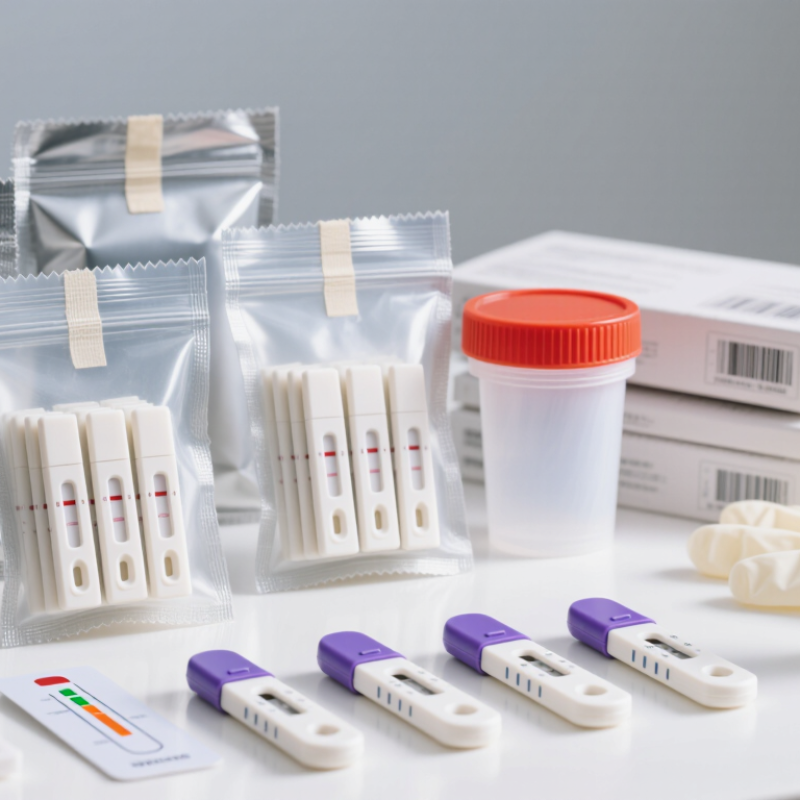
Urine test kits are practical screening tools for global buyers in 2026. Most use reagent strips that react with specific urine chemicals. Common panels check glucose, ketones, protein, blood, nitrite, leukocytes, pH, and specific gravity. Each pad needs the correct reading time. A result read too late may be misleading.
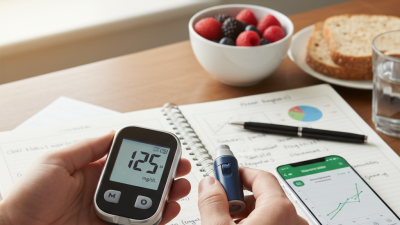
The International Diabetes Federation’s 2025 Diabetes Atlas estimates 589 million adults had diabetes in 2024. This supports demand for glucose and ketone screening, especially where laboratory access is limited.
Kidney monitoring also matters. The International Society of Nephrology reports that chronic kidney disease affects more than 850 million people worldwide. Protein and albumin results may provide an early warning, but they do not confirm disease. Clinical testing remains necessary.
For buyers, accuracy claims should include sensitivity, specificity, storage conditions, sample requirements, and expiry controls. A sealed container, dry storage, and clear color charts reduce avoidable errors. Yet home testing is not perfectly simple. Lighting can change color interpretation. Dehydration can affect concentration readings. A negative strip may still miss an early problem. Users should repeat unexpected results and seek qualified medical advice when symptoms persist. Regulatory documentation and independent quality testing deserve more attention than low unit price. That lesson is easy to overlook.
For global buyers, “urine test kit” describes several tools, not one universal product. The main type is the reagent strip kit. A strip changes color after contact with urine, screening pH, glucose, protein, ketones, blood, leukocytes, and nitrite. It suits clinics, pharmacies, and home monitoring when rapid results matter. Timing is critical; reading one minute late can distort a color block.
Pregnancy test kits detect human chorionic gonadotropin in urine, usually with a cassette or strip format. They are simple, but early testing may produce a negative result despite pregnancy.
Fertility-monitoring kits measure luteinizing hormone and can help identify an ovulation window. Infection-focused kits may screen for markers linked with urinary tract inflammation, yet symptoms and laboratory culture still matter.
A positive screen is not a diagnosis.
For professional laboratories, analyzer-compatible urine systems combine cups, transfer devices, strips, and software. They support repeatable workflows and reduce manual color matching. Buyers should check sample volume, storage temperature, expiry dates, language-free instructions, and quality-control documents. In practical procurement reviews, reliable-looking kits have failed after heat exposure during transport. That detail is easy to miss. Local regulations, intended use, and validation requirements should guide purchasing. No kit replaces clinical judgment, and users should record collection time because old or contaminated samples can mislead.
Accuracy is not a single number. Buyers should examine sensitivity, specificity, and agreement with laboratory methods. The IDF Diabetes Atlas reports that 537 million adults lived with diabetes in 2021. This highlights the value of reliable glucose and ketone screening, but urine kits should not replace clinical diagnosis.
Check whether validation data covers real users, different urine concentrations, and common storage conditions. A clear color chart helps, especially under weak bathroom lighting. Look for sealed packaging, readable expiry dates, and instructions in the target market’s language. ISO 15189 principles also stress traceability and quality control in medical testing. A kit can perform well in a laboratory yet confuse users at home. That gap deserves attention.
Tips: Compare independent evaluation reports, not only manufacturer claims. Test samples at room temperature, then repeat them. Small details matter. Record timing carefully, because reading a strip too early or late can change the result. The U.S. FDA’s home-use testing guidance emphasizes simple instructions, readable labels, and understandable result interpretation. Still, “easy to use” remains partly subjective. Older users, first-time users, and people with poor vision may report different experiences. I would not judge usability after one trial. Observe several users, note their mistakes, and revise the purchasing decision accordingly.
2026 Top Urine Test Kits for Global Buyers
Regulatory Standards, Certifications, and Import Requirements
Selecting urine test kits in 2026 requires more than comparing sensitivity claims. Each destination may classify the product differently as an in vitro diagnostic device. Confirm the local regulator’s category before ordering. In the European Union, applicable IVDR requirements, CE marking, technical documentation, and post-market obligations may apply. Other markets may require product registration, an authorized representative, or importer licensing. Requirements can change.
Look for evidence behind every claim. A valid ISO 13485 certificate supports the manufacturer’s quality system, but it does not automatically approve a specific kit. Review analytical performance data, stability studies, risk management records, and lot-control procedures. Labels should show intended use, specimen type, storage temperature, lot number, expiry date, and clear instructions. Local-language labeling may be mandatory. During import, customs may request commercial invoices, packing lists, certificates of origin, conformity documents, and product registration records. The correct HS code also matters. Small errors can delay a shipment.
Tips: Request recent certificates, not screenshots. Match the certificate scope with the actual product. Check whether the importer must report adverse events. Keep samples during transport validation. Cold-chain storage is not always necessary, but heat and humidity can damage reagents. I have seen buyers trust a familiar certificate too quickly. That is a weak shortcut. Review the issuing body, certificate dates, and destination-country rules independently. A careful compliance checklist often prevents expensive relabeling, rejected customs clearance, or unusable stock.
| Market / Region | Typical Urine Test Scope | Main Regulatory Framework | Device Classification Considerations | Common Certification or Conformity Evidence | Typical Import and Registration Requirements | Key Buyer Checks for 2026 |
|---|---|---|---|---|---|---|
| European Union / EEA | Urinalysis strips, pregnancy tests, fertility tests, infection markers, drug screening, and clinical chemistry analytes. | Regulation (EU) 2017/746 on in vitro diagnostic medical devices (IVDR). | Classification depends on intended purpose and risk. Self-testing devices generally require conformity assessment involving an appropriate notified body, except for limited lower-risk cases. | CE marking under the IVDR, EU declaration of conformity, technical documentation, performance evaluation, and quality-management evidence. A notified-body certificate may be required. | EU importer and authorized representative details, UDI and EUDAMED-related obligations where applicable, labeling and instructions in required national languages, commercial invoice, packing list, and customs classification. | Confirm IVDR status, intended-use wording, self-test requirements, language coverage, shelf life, stability data, and post-market surveillance responsibilities. |
| United States | Over-the-counter pregnancy tests, urinalysis reagent strips, clinical laboratory tests, and urine drug-screening assays. | Federal Food, Drug, and Cosmetic Act; FDA in vitro diagnostic device requirements; Clinical Laboratory Improvement Amendments (CLIA) for laboratory use. | The regulatory pathway may involve 510(k), de novo classification, premarket approval, or an exempt pathway, depending on the device and intended use. CLIA categorization applies to tests used in laboratories. | FDA authorization or clearance when required, establishment registration and device listing, applicable quality-system compliance, labeling review, and CLIA waiver documentation when specifically granted. | U.S. importer information, FDA import entry data, product code and tariff classification, compliant English labeling, lot traceability, and authorized establishment or listing information where applicable. | Do not treat CE marking or ISO 13485 certification as U.S. market authorization. Verify the exact FDA status for the intended use and whether the product is for home, professional, or laboratory use. |
| United Kingdom | Home pregnancy and fertility tests, urinalysis strips, infection-related screening, and professional laboratory IVDs. | UK medical-device regulations, MHRA registration requirements, and applicable transitional arrangements for CE-marked IVDs. | Classification and conformity assessment depend on intended purpose and whether the product is self-testing or professional-use IVD. | UKCA conformity assessment where applicable, or valid CE marking during the relevant transition period; technical documentation, declaration of conformity, and quality-system evidence. | MHRA registration, a UK responsible person for overseas manufacturers, English labeling, customs documentation, importer details, and separate arrangements for Great Britain and Northern Ireland where applicable. | Check the applicable CE transition deadline, destination within the UK, responsible-person details, labeling symbols, and registration status before shipment. |
| Canada | Urinalysis strips, pregnancy tests, fertility tests, drug tests, and laboratory urine assays. | Canadian Medical Devices Regulations and Health Canada licensing requirements. | IVDs are generally regulated as medical devices and may require a device licence according to classification and intended use. | Medical device licence, establishment licence where applicable, evidence of safety and effectiveness, and quality-management documentation accepted by the Canadian regulator. | Canadian importer or distributor information, bilingual English/French labeling where required, customs documents, device licence details, and a quality-management certificate when applicable. | Verify whether the product requires a Canadian device licence, confirm bilingual packaging, and align the license holder, manufacturer, and importer information. |
| Australia | Pregnancy tests, urinalysis reagent strips, fertility tests, urine drug tests, and laboratory IVDs. | Therapeutic Goods Act framework and Australian Register of Therapeutic Goods (ARTG) requirements. | Classification is based on intended purpose, risk, and whether the test is self-testing or for professional use. | ARTG inclusion, conformity-assessment evidence, manufacturer documentation, performance evidence, and quality-system records accepted by the Australian regulator. | Australian sponsor, ARTG entry where required, English labeling, import records, product descriptions, and evidence supporting the claimed intended purpose. | Confirm ARTG status before commercial import, ensure the sponsor details match the packaging, and review requirements for self-testing products. |
| Japan | Pregnancy tests, urine chemistry tests, infectious-disease-related IVDs, and laboratory diagnostic reagents. | Pharmaceuticals and Medical Devices Act and related IVD approval, certification, and notification procedures. | The pathway depends on risk classification, intended use, analyte, and whether third-party certification or government approval is required. | Marketing authorization or certification as applicable, Japanese quality-system documentation, performance evidence, and local regulatory representation. | Japanese marketing authorization holder or responsible entity, Japanese labeling and instructions, import declarations, product approval or notification information, and customs documentation. | Check Japanese translation accuracy, local authorization requirements, permitted claims, and whether the overseas manufacturer is properly listed or represented. |
| China | Urinalysis strips, pregnancy tests, drug-screening tests, urine chemistry reagents, and laboratory IVD products. | Medical device and in vitro diagnostic reagent regulations administered by the national and provincial authorities. | Classification may be Class I, II, or III according to risk and intended use. Registration or filing requirements vary by class and product category. | Product filing or registration, Chinese technical requirements, performance evaluation, quality-system evidence, and local registration-agent documentation where applicable. | Chinese labeling, customs entry documents, importer or registration-agent details, product registration or filing information, certificates of origin, and applicable inspection documents. | Confirm the Chinese classification, registration pathway, local technical requirements, translation consistency, and whether the claimed use matches the registered use. |
| India | Pregnancy tests, urine reagent strips, fertility tests, drug tests, and clinical diagnostic reagents. | Medical Devices Rules, 2017 and regulatory oversight by the Central Drugs Standard Control Organisation. | Classification is risk-based. Requirements may include import licensing, registration, performance documentation, and local authorized representation. | Import licence or applicable registration, quality-management evidence, product dossier, performance evaluation, and certificates requested by the regulator. | Indian authorized agent, import documentation, labeling with manufacturer and importer details, batch and expiry information, product licence information, and customs records. | Verify the current device classification, import-license route, local agent appointment, labeling language requirements, and applicable state or national controls. |
| Brazil | Urine chemistry strips, pregnancy tests, fertility tests, drug-screening products, and laboratory IVDs. | Brazilian medical-device and IVD regulations administered by the national health-surveillance authority. | Classification and market-access route depend on risk, intended use, and whether the product requires notification or registration. | Notification or registration, Brazilian good-practice evidence, technical dossier, performance data, and local regulatory representation. | Brazilian registration holder or local representative, Portuguese labeling, import authorization, invoice, packing list, certificate of origin, and customs classification. | Confirm Portuguese labeling, local authorization status, product-risk classification, importer credentials, and any port or customs inspection requirements. |
| Gulf Cooperation Council Markets | Pregnancy tests, urinalysis strips, fertility tests, urine drug tests, and professional-use IVDs. | National medical-device regulations, customs rules, and applicable Gulf or national conformity requirements. | Classification, registration, and importer obligations differ by country and intended use. | Market authorization or registration, recognized quality-system certificates, declaration of conformity, free-sale evidence where requested, and product technical documentation. | Local authorized representative or importer, Arabic labeling or bilingual labeling where required, commercial invoice, packing list, certificate of origin, customs code, and product registration documents. | Check each destination country separately; do not assume registration in one Gulf market automatically authorizes sale in another. |

For global buyers, supplier selection should begin with evidence, not attractive pricing. Grand View Research valued the global in vitro diagnostics market above USD 100 billion in 2023. That scale increases pressure on quality control and delivery reliability. Request ISO 13485 certification, batch records, stability data, and independent performance evaluations. Ask how suppliers handle invalid results, complaints, and product recalls. Small details matter. A low unit price may hide weak traceability or inconsistent sampling materials.
Packaging must match the destination climate and distribution route. Select sealed, moisture-resistant pouches with clear lot numbers, expiry dates, and multilingual instructions. Desiccants can help in humid regions, but they require validation. Avoid wet cartons. The World Health Organization’s laboratory quality guidance stresses controlled storage, documented procedures, and reliable transport conditions. In practice, buyers should confirm temperature limits, warehouse monitoring, and carton drop-test results. I have seen purchasing teams overlook outer-box strength, then face damaged kits after long ocean shipments.
The distribution model should reflect order volume and local service needs. Direct shipment can reduce handling, while regional distributors may provide faster replenishment and language support. A 2024 MarketsandMarkets report identified decentralised and point-of-care testing as major diagnostic growth areas. That trend favors smaller, responsive inventory hubs. Still, distributor margins can reduce price transparency. A written agreement should define forecast sharing, minimum stock levels, complaint response times, and stock rotation. Some assumptions will be wrong; pilot orders and quarterly supplier reviews expose them early.
Choosing the Right Supplier, Packaging, and Distribution Model
Regional adult diabetes prevalence provides a useful demand context for urine glucose and ketone screening kits. Higher-prevalence markets may benefit from larger replenishment programs, multilingual packaging, and established local distribution, while lower-prevalence markets may favor compact packs and demand-based inventory. Data source: International Diabetes Federation, IDF Diabetes Atlas, 10th edition, 2021 estimates.