+86-18343147735


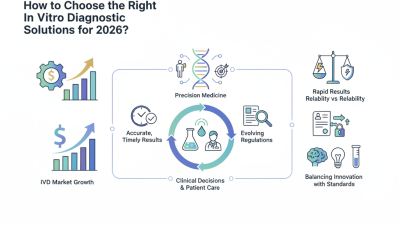
Choosing the 2026 best In Vitro Diagnostic products requires more than comparing prices or technical specifications. Global buyers need evidence, regulatory clarity, and dependable supply. The World Health Organization’s guidance on in vitro diagnostic medical devices emphasizes quality, performance, affordability, and suitability for local health systems. These principles matter in real settings, where a reader may handle a test cartridge beside a crowded clinic refrigerator.
Recent market reports show strong and continuing demand. Grand View Research estimated the global In Vitro Diagnostic market at approximately USD 91.5 billion in 2023, with further growth expected through 2030. Fortune Business Insights reported a different 2023 valuation, illustrating why buyers should examine methodology carefully. Numbers still vary. Market size alone cannot identify the right product.
This guide evaluates products through practical purchasing criteria. These include analytical accuracy, clinical utility, workflow speed, instrument compatibility, operator training, and after-sales support. It also considers documented regulatory approvals and transparent performance data. The stakes are real. A rapid molecular platform may reduce waiting time, while a reliable chemistry analyzer can support thousands of routine tests each month. However, no product fits every laboratory. Resource limits, disease patterns, electricity reliability, and local procurement rules can change the decision.
Evidence from WHO publications, peer-reviewed studies, and established market analyses informs the comparisons. Product claims should still be verified against current manufacturer documentation and regional requirements. That final check is easy to miss. This overview therefore aims to support informed shortlisting, not replace professional validation, laboratory evaluation, or responsible purchasing decisions.

In vitro diagnostic (IVD) products are medical tools that examine samples outside the human body. Blood, urine, saliva, and tissue can reveal useful health information. A small cartridge may detect infection markers, hormones, glucose, or genetic changes. Unlike imaging equipment, an IVD test studies biological material directly. The result supports screening, diagnosis, monitoring, or treatment decisions. It does not replace clinical judgment.
Common IVD products include reagents, test kits, analyzers, calibrators, controls, and collection devices. A laboratory analyzer can process many tubes, while a point-of-care device may provide results beside a patient. Accuracy depends on more than the instrument. Sample quality, storage temperature, timing, operator training, and quality control all matter. A perfect-looking result can still mislead. That risk deserves attention.
For global buyers in 2026, product selection should begin with intended use and local requirements. Buyers should review analytical sensitivity, specificity, reportable range, shelf life, instructions, and technical support. Independent verification is valuable before routine purchasing. Compare performance using relevant samples, not only supplier demonstrations. Logistics also matter, including cold-chain packaging, customs documents, replacement parts, and service response. Some evaluations remain imperfect, especially when patient populations differ. Careful validation and transparent communication are essential.
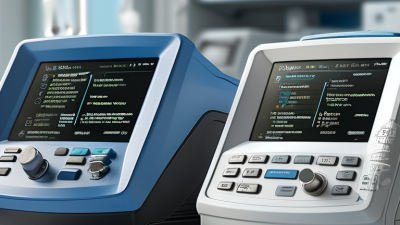
In 2026, molecular diagnostic systems are expected to remain strong among global IVD buyers. Their value is clear in respiratory panels, blood screening, and inherited disease testing. Faster amplification, smaller sample volumes, and automated result interpretation are changing laboratory workflows. Yet performance depends on validated reagents, trained operators, and stable quality control. A fast instrument is not automatically a reliable one.
Point-of-care testing will also lead important segments, especially in emergency rooms, clinics, and remote areas. Buyers increasingly want compact analyzers with simple interfaces and secure connectivity. Immunoassay systems should retain broad demand for hormones, cardiac markers, fertility testing, and infectious diseases. Hematology analyzers remain essential because routine blood counts support daily clinical decisions. In my experience, purchasing teams often focus on unit price first. Maintenance time, calibration frequency, and consumable availability can matter more over three years.
Oncology testing and digital laboratory connectivity may expand steadily, although adoption will vary by region. Buyers need evidence from clinical evaluations, external quality assessment, and transparent regulatory documentation. Local service capacity is another practical test. A sophisticated analyzer can become a poor investment when replacement parts arrive slowly. Sustainability will influence tenders too, including lower packaging waste and safer disposal procedures. Still, not every market can afford the newest platform. That limitation is easy to overlook. Careful buyers should compare analytical sensitivity, specificity, throughput, workflow fit, and total ownership cost before selecting a category.
| 2026 Rank | IVD Product Category | Representative Tests | Typical Specimen | Primary Use Settings | 2026 Market Outlook | Key Demand Drivers | Important Buyer Criteria |
|---|---|---|---|---|---|---|---|
| 1 | Molecular Diagnostic Tests | PCR/NAAT panels, respiratory pathogen tests, sexually transmitted infection tests, antimicrobial-resistance assays | Nasal or throat swab, urine, blood, saliva, stool | Hospitals, reference laboratories, urgent-care centers, public-health laboratories | Very High Strong demand for multiplexing, rapid turnaround and resistance detection |
Infectious-disease surveillance, outbreak preparedness, precision antimicrobial selection and higher testing volumes | Analytical sensitivity, specificity, inclusivity, limit of detection, contamination control, workflow automation and instrument compatibility |
| 2 | Point-of-Care and Near-Patient Testing | Glucose, cardiac markers, pregnancy, infectious-disease antigen, blood-gas and electrolyte tests | Whole blood, plasma, urine, saliva or nasal swab | Emergency departments, clinics, pharmacies, ambulances, community-health programs and home care | Very High Expansion supported by decentralized care and shorter clinical decision cycles |
Fast triage, limited laboratory infrastructure, rural access, emergency diagnosis and remote patient management | Time to result, ease of operation, internal quality control, connectivity, battery life, environmental stability and operator training requirements |
| 3 | Clinical Chemistry and Immunoassay Systems | Glucose, liver and kidney function, lipid profile, thyroid, fertility, inflammation and cardiac assays | Serum, plasma, whole blood or urine | Central laboratories, hospitals, outpatient laboratories and screening programs | High Stable high-volume demand with continued replacement of legacy systems |
Aging populations, chronic disease monitoring, preventive screening and laboratory consolidation | Throughput, precision, calibration traceability, reagent stability, automation options, service coverage and total cost per reportable result |
| 4 | Hematology and Hemostasis Diagnostics | Complete blood count, differential count, coagulation screening, D-dimer and platelet-function testing | Whole blood or plasma | Hospitals, blood banks, oncology services, emergency departments and outpatient laboratories | High Reliable replacement demand and growing need for compact and automated systems |
Surgical care, oncology, maternal health, anticoagulation management and emergency diagnostics | Precision at low and high cell counts, sample-volume requirements, flagging performance, reagent shelf life and quality-control features |
| 5 | Immunodiagnostics and Serology | Antibody and antigen assays, allergy testing, autoimmune markers, infectious-disease serology and tumor markers | Serum, plasma, whole blood or saliva | Hospitals, specialty laboratories, blood-screening services and outpatient clinics | High Broad clinical utility with continued demand for high-throughput and automated testing |
Chronic disease diagnosis, immune disorders, blood safety, allergy management and disease-exposure assessment | Clinical sensitivity and specificity, cross-reactivity control, lot-to-lot consistency, calibration, automation and result interpretation |
| 6 | Cancer Diagnostics and Companion Testing | Histopathology, immunohistochemistry, liquid-biopsy assays and biomarker tests linked to targeted therapies | Tissue, blood, plasma or bone-marrow specimen | Pathology laboratories, oncology centers, hospitals and specialized reference laboratories | High Growth Potential Increasing clinical value despite specialist workflow and reimbursement variation |
Personalized treatment, earlier detection, biomarker-guided therapy and expanding oncology testing menus | Validated clinical performance, tissue adequacy, reproducibility, image analysis, external quality assessment and regulatory evidence |
| 7 | Diabetes and Metabolic Monitoring | Blood-glucose monitoring, glycated hemoglobin, ketone testing and urine albumin assessment | Capillary blood, venous blood or urine | Homes, primary-care clinics, hospitals, pharmacies and diabetes-management programs | High Large recurring testing base supported by the global burden of diabetes |
Long-term disease management, self-testing, screening and increased use of connected monitoring tools | Accuracy across hematocrit ranges, small sample volume, usability, data connectivity, consumable availability and patient safety |
| 8 | Urinalysis and Renal Testing | Urine dipsticks, urine sediment analysis, albumin-to-creatinine ratio and kidney-function markers | Urine or blood | Primary-care clinics, hospitals, nephrology services, laboratories and home-care programs | Moderate to High Broad screening role with growing focus on earlier chronic kidney disease detection |
Chronic kidney disease, diabetes, hypertension, urinary-tract assessment and low-cost screening | Readability, automation, interference resistance, specimen stability, standardized reporting and low operating cost |
| 9 | Reproductive, Maternal and Fertility Testing | Pregnancy tests, human chorionic gonadotropin, reproductive hormones and prenatal screening markers | Urine, serum, plasma or whole blood | Homes, clinics, fertility centers, hospitals and prenatal-care services | Moderate to High Consistent demand with continued development of decentralized and laboratory-based testing |
Maternal health, fertility services, rapid home testing and improved access to reproductive care | Early detection performance, quantitative accuracy, privacy, ease of use, package stability and clear result interpretation |
| 10 | Blood-Grouping and Transfusion Diagnostics | ABO/RhD typing, antibody screening, crossmatching and transfusion-transmissible infection screening | Whole blood, serum or plasma | Blood banks, hospitals, transfusion centers and emergency-care services | Stable and Essential Demand remains linked to transfusion safety and healthcare infrastructure |
Surgical procedures, trauma care, maternal health, chronic transfusion and blood-supply safety | High reliability, traceability, barcode control, automation, reagent specificity, quality systems and uninterrupted supply |
Selecting an in vitro diagnostic product requires more than reading its accuracy claim. Review sensitivity, specificity, precision, and invalid-result rates under realistic conditions. Ask whether the evidence covers your target population and specimen types. A strong study should describe sample size, comparator methods, and confidence intervals. Check performance across temperature ranges, storage periods, and different operators. Small details matter. A test may perform well in a controlled laboratory but struggle in a busy rural clinic.
Tips: Request raw performance data, not only promotional percentages. Examine the instructions for unclear steps, timing risks, and handling requirements. Test the device with new and experienced users. Record mistakes, repeat tests, and waiting times. Confirm that controls, consumables, and training materials are consistently available. Also check applicable local quality and regulatory requirements before purchase.
Usability affects clinical reliability. A readable result window, stable sample volume, and simple error message can prevent avoidable decisions. Evaluate connectivity carefully if results enter an electronic record. Poor integration may create transcription errors. Consider maintenance, calibration, waste handling, and technical support during the full product life cycle. Independent verification is valuable, even when published data look convincing. No evaluation is perfect. Field conditions often reveal weaknesses that laboratory testing misses. Keep questioning impressive numbers.
Global IVD buyers must assess the rules in each target market. The applicable requirements depend on intended use, risk class, and testing location. A self-test for infection may face stricter controls than a professional laboratory assay. In the European Union, the IVDR requires clinical evidence, technical documentation, performance evaluation, and post-market surveillance. In the United States, the FDA may require different pathways, including clearance, approval, or exemption. Rules differ.
A credible supplier should provide clear certificates, test reports, and traceable quality records. ISO 13485 supports a controlled quality management system. ISO 14971 evidence shows how risks were identified and reduced. Buyers should inspect analytical sensitivity, specificity, interference studies, stability data, and lot-release procedures. Do not rely on a certificate alone. Paperwork can look complete.
Before shipment, confirm registration duties, local representation, import permits, and required languages. Check that labeling states the intended purpose, specimen type, storage temperature, expiration date, and warnings. Translation quality matters, especially for patient-facing instructions. Post-market reporting and complaint handling should be defined before sales begin. In practice, procurement teams sometimes focus on price and overlook local obligations. That shortcut deserves reconsideration. No checklist catches every failure, and regulatory interpretations can change.
Selecting the best IVD product starts with the healthcare setting, not the catalogue. A rural clinic may need a compact analyzer, stable reagents, and results within 20 minutes. A tertiary hospital may prioritize automation, high throughput, and connection with laboratory information systems. Match the test to the disease burden, patient volume, sample type, and staff expertise. A technically advanced system can fail when training is limited.
Review clinical performance carefully. Sensitivity matters when missed cases create serious risk. Specificity matters when false positives cause unnecessary treatment. Ask for independent evaluation data, quality-control procedures, and clear instructions for use. Check storage requirements too. Reagents needing constant refrigeration may be unsuitable where power cuts occur. Small details matter, such as barcode readability, waste handling, and the time needed to prepare one sample.
Cost requires a wider view. Compare equipment, consumables, calibration, maintenance, shipping, and staff time. Local technical support can prevent long service interruptions. Verify regulatory documentation for each target market, including performance evidence and post-market processes. In practical assessments, no product performs perfectly in every environment. I have seen promising systems struggle with dusty rooms, poor internet, or unfamiliar sample collection steps. Those weaknesses should be recorded, not hidden. A short pilot with real users can reveal more than a polished sales presentation. Availability also matters. A reliable test is not useful when essential cartridges remain out of stock.