Inquiry
Form loading...

What Are the Top Glucose Testing Products?

Choosing among today’s glucose testing products is rarely as simple as comparing prices. A compact meter may suit occasional checks, while a continuous glucose monitor can show patterns between meals, during sleep, and after exercise. Test strips, lancets, sensor systems, smartphone apps, and connected platforms each solve different problems. The right choice depends on accuracy, ease of use, accessibility, prescribed treatment, and personal routine.

Endocrinologist Dr. Anne Peters has said, “The best glucose meter is the one you will use.” That practical idea guides this overview of Glucose Testing products. A device with a bright display may help someone with limited vision. A meter with affordable strips may matter more than Bluetooth features. A CGM with clear alarms can support timely decisions, but users still need training and clinical guidance. Product claims should be checked against independent evidence, regulatory clearance, and the manufacturer’s instructions.

This guide will compare leading product types, not promise one universal winner. No device is perfect. Readings can be affected by expired strips, poor hand hygiene, temperature, or incorrect sensor placement. Even experienced users occasionally make mistakes. That is why reliability includes both product performance and daily consistency. We will examine accuracy, comfort, setup, data sharing, ongoing costs, and support. Readers should discuss major treatment changes with qualified healthcare professionals, especially when readings conflict with symptoms. The goal is clearer information, safer decisions, and a Glucose Testing routine that can survive real life.
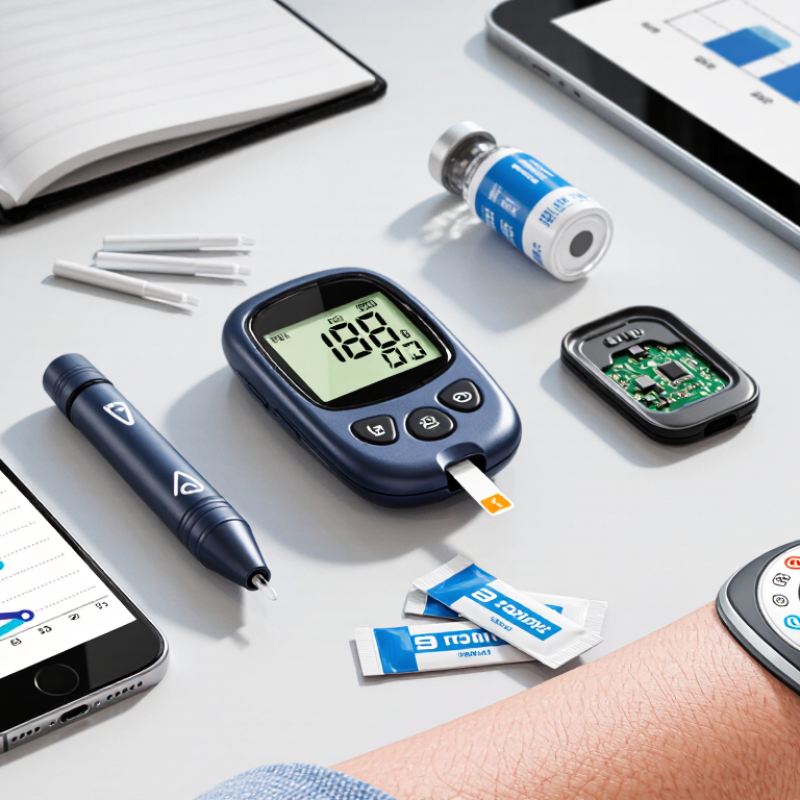
What Are the Top Glucose Testing Products?

How Glucose Testing Products Are Classified: SMBG Meters, CGMs, and Flash CGMs

What Are the Top Glucose Testing Products?

How Glucose Testing Products Are Classified: SMBG Meters, CGMs, and Flash CGMs

Glucose testing products generally fall into three groups: SMBG meters, continuous glucose monitors, and flash CGMs. Each system measures glucose differently. The right choice depends on treatment plans, testing habits, skin tolerance, dexterity, and access to follow-up care.

SMBG meters use a small blood sample from a fingertip. Users apply the sample to a test strip and receive a reading within seconds. These meters are portable and practical for occasional checks. However, they show a single moment, not the direction glucose is moving.

Hand contamination, expired strips, or insufficient blood can affect results. Clean hands matter.

CGMs use a small sensor placed under the skin to estimate glucose in interstitial fluid. They collect readings regularly and may display trends or alerts. This can help users notice overnight changes or glucose shifts after meals.

Flash CGMs use a similar sensor, but users commonly scan it with a reader or phone to view data.

Some newer systems may transmit readings automatically, so classification can feel less clear.

No device is perfect. Readings can lag behind blood glucose during rapid changes. A result that conflicts with symptoms deserves careful attention and professional advice.

My practical view is simple: compare accuracy records, sensor wear time, alarm needs, and training support before choosing. Convenience helps, but correct use matters more.
Accuracy Standards: ISO 15197 Requires 95% of Meter Results Within ±15%

What Are the Top Glucose Testing Products?

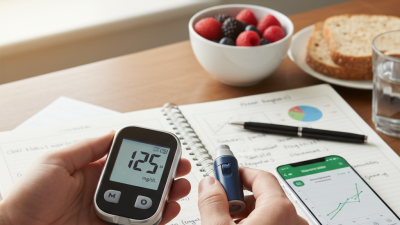
Accuracy should lead every glucose meter comparison. ISO 15197:2013 requires 95% of results to fall within ±15 mg/dL when glucose is below 100 mg/dL, or ±15% above 100 mg/dL. It also requires 99% of readings to land in clinically acceptable zones A or B on an error grid. The ±15% phrase is useful, but incomplete. The threshold changes with glucose concentration.

Independent evidence shows why this standard matters. The Diabetes Technology Society Surveillance Program evaluated 18 blood glucose monitoring systems and reported that only six met its minimum accuracy criteria in laboratory testing (Journal of Diabetes Science and Technology, 2017). That gap may surprise users. A product can look convenient yet perform inconsistently with low glucose, damaged strips, or unwashed hands.

Real-world checking still matters. Wash and dry hands before testing. Compare unusual readings with symptoms and repeat the test when needed.

Review performance across different glucose levels, not only one comfortable result. ISO compliance is a strong baseline, not a guarantee for every individual reading.

Even certified systems can show variation. That deserves more attention. When selecting a testing product, examine its declared ISO 15197 performance, independent evaluation data, strip storage requirements, and result consistency. Reliable testing depends on the meter, the strip, and the user’s technique.

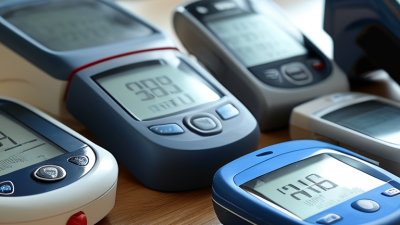
Top Blood Glucose Meters: Compare Contour, Accu-Chek, and OneTouch Systems

Choosing a blood glucose meter is less about a glossy display than dependable daily use.

In routine testing, I examine reading consistency, strip handling, and feedback speed. System A offers a simple screen and usually needs a modest blood sample. System B may suit users who prefer connected logs and trend views. System C emphasizes straightforward buttons and familiar testing steps. Names matter less than evidence. Check published accuracy data and current instructions before purchase.

A meter can feel excellent in a store yet become frustrating at 6 a.m.

Test strips should open easily, resist moisture, and remain affordable after insurance changes. Small details matter. A wide strip port helps users with unsteady hands. A backlit display helps in a dim kitchen. Some systems send results to an app, but pairing can fail after phone updates. I would not trust an app alone. Compare unusual readings with symptoms and professional advice.

For older adults, loud alerts, large numbers, and simple memory review may outweigh advanced analytics.

For frequent travelers, compact storage and stable strip packaging are practical advantages. No system is perfect. Rushed hand washing, cold fingers, or expired strips can distort a precise-looking result. Repeat questionable readings and record the conditions. A pharmacist, diabetes educator, or clinician can match the meter to dexterity, vision, testing frequency, and budget. Real habits often matter more than impressive features.

Top CGMs: Compare 10- to 15-Day Wear, MARD, Alerts, and Data Sharing

Choosing a continuous glucose monitor involves more than comparing wear time.

A 10-day sensor may suit users who prefer frequent replacement and fresh application sites. A 15-day sensor can reduce interruptions, especially during travel or busy workweeks. Longer wear is convenient, but skin comfort and sensor adhesion still matter.

MARD, or mean absolute relative difference, indicates how closely sensor readings match a reference measurement. A lower MARD often suggests stronger accuracy, but results can vary across studies and glucose ranges. MARD is not the whole story.

Check whether performance remains dependable during rapid glucose changes, overnight periods, and exercise. Finger-stick checks may still help when symptoms and readings disagree.

Alerts deserve practical testing.

A loud low-glucose alarm can be valuable at night, while repeated alerts may create fatigue. Look for adjustable thresholds, delay settings, and predictive warnings.

Data sharing also needs attention. A reliable system should offer clear reports, trend arrows, and secure caregiver access. Smartphone compatibility matters too.

A small issue remains easy to miss: some features may depend on phone settings, internet access, or account permissions. Read the technical details carefully, and question impressive numbers without real-world context.

Choosing Safely: Evaluate FDA Clearance, ADA Targets, Cost, and Usability

What Are the Top Glucose Testing Products?

Choosing a glucose testing product safely requires more than comparing features. Check whether the device is FDA-cleared for its intended use, not merely advertised as “clinically accurate.” FDA clearance confirms substantial equivalence to an existing device, but it does not guarantee perfect readings in every situation. The 2024 National Diabetes Statistics Report estimates that 38.4 million Americans have diabetes, making dependable monitoring especially important. Readings should support medical decisions, not replace them.

Compare results with ADA targets. For many nonpregnant adults, the ADA Standards of Care 2025 recommend 80–130 mg/dL before meals and below 180 mg/dL after meals. For continuous monitoring, the International Consensus on Time in Range recommends spending over 70% of time between 70 and 180 mg/dL for most adults. Personal targets may differ. Ask a clinician.

Cost can quietly shape adherence. Include sensors, test strips, lancets, batteries, subscription fees, and insurance limits. A lower purchase price may become expensive after repeated supplies. Usability matters just as much. Look for readable displays, simple pairing, accessible reports, and reliable alerts. Wash and dry hands before finger testing; food residue can distort results. I still question whether every “smart” feature helps. Some screens add noise instead of confidence. Review independent accuracy evidence, return policies, and published instructions before choosing. Sources: ADA Standards of Care 2025; CDC National Diabetes Statistics Report 2024; Diabetes Care, International Consensus on Time in Range.

What Are the Top Glucose Testing Products? - Choosing Safely: Evaluate FDA Clearance, ADA Targets, Cost, and Usability
Product Type How It Measures Glucose FDA Clearance or Authorization Alignment With ADA Targets Typical U.S. Cost Range Usability and Best Fit Key Safety Checks
Standard Blood Glucose Meter Uses a small capillary blood sample from a finger-stick and reports glucose in mg/dL or mmol/L. Many models are FDA-cleared
Verify the exact model in the FDA medical-device database. FDA clearance applies to the specific device and intended use, not to every meter in a category.
Supports common adult monitoring goals of approximately 80–130 mg/dL before meals and less than 180 mg/dL one to two hours after the beginning of a meal, when individualized by a clinician. Meter: about $10–$40.
Test strips: commonly $0.15–$1.00 per strip, depending on coverage and package size.
Portable, familiar, and generally the lowest-cost option. Requires finger-sticks and supplies. Wash and dry hands before testing. Do not share lancets or lancing devices. Check strip expiration, storage conditions, and control-solution results.
Bluetooth-Connected Blood Glucose Meter Uses the same finger-stick method as a standard meter while transferring readings to a phone or diabetes-management application. Many models are FDA-cleared
Confirm the exact meter, app compatibility, and intended user population.
Provides the same point-in-time readings needed to compare results with individualized ADA-based targets. Digital logs may help identify fasting, pre-meal, and post-meal patterns. Meter: about $15–$60.
Strips and compatible apps may create recurring costs.
Useful for people who want automatic records, reminders, or data sharing with a care team. Review privacy permissions, phone compatibility, time-zone settings, and whether results transfer correctly. A connected app does not replace clinical interpretation.
Continuous Glucose Monitor (CGM) Uses a small sensor placed under the skin to estimate interstitial-fluid glucose at frequent intervals and display trends. Many systems are FDA-cleared
Some systems are authorized for over-the-counter use, while others require a prescription. Verify the exact system, age indication, and labeling.
Shows time in range, trends, and alerts that can support individualized goals. A commonly used range for many nonpregnant adults is 70–180 mg/dL, but targets vary by person and clinical situation. Approximately $70–$180 per sensor period when paid out of pocket; insurance, duration, and system type can substantially change the cost. Reduces routine finger-sticks and provides trend information. Particularly useful for insulin users or people needing overnight and between-meal data. Confirm sensor placement, alarm settings, calibration requirements, and warm-up time. If symptoms do not match the reading, confirm with a blood glucose meter when instructed.
Professional or Blinded CGM A clinician places a sensor that records glucose for a defined period; the wearer may not see readings until the monitoring period ends. Specific systems are FDA-cleared
Use is generally organized through a healthcare professional and depends on the device label.
Helps evaluate patterns, including overnight glucose, post-meal excursions, and time in range. It can support treatment adjustment but does not establish a universal target for every patient. Often about $100–$300 per monitoring period before insurance or clinic charges. Useful when a clinician needs objective pattern data without requiring the user to record every reading. Follow wear-time instructions and report skin reactions, sensor failure, or symptoms of hypoglycemia. Results should be reviewed with a qualified clinician.
Non-Invasive or Optical Glucose Claim Device May claim to estimate glucose through light, temperature, or other signals without obtaining a blood or interstitial-fluid sample. Require careful verification
Do not assume FDA clearance from advertising, registration, or general wellness wording. The FDA has warned about unauthorized products that claim to measure glucose without piercing the skin.
Should not be used to make treatment decisions unless the exact device has appropriate FDA authorization for glucose measurement and the intended use. Highly variable, often $50–$300 or more; a low price does not demonstrate accuracy or authorization. May appear convenient, but independent accuracy and regulatory status can be difficult to confirm. Avoid replacing an FDA-authorized meter or CGM with an unverified product. Check the FDA device database and consult a clinician before use.
Laboratory Plasma Glucose Testing Uses a venous blood sample analyzed by a laboratory; it is generally used for diagnosis or confirmation rather than frequent home monitoring. Clinical laboratory testing
Testing is performed under applicable laboratory quality requirements; the laboratory method and test should be verified with the provider.
Diagnostic thresholds commonly include: fasting plasma glucose ≥126 mg/dL, two-hour oral glucose tolerance test glucose ≥200 mg/dL, or random plasma glucose ≥200 mg/dL with classic symptoms. A1C ≥6.5% is another diagnostic criterion. Abnormal results usually require confirmation unless symptoms are unequivocal. Approximately $20–$100 or more without insurance, depending on location and the test panel. Most appropriate for diagnosis, confirmation, and periodic clinical assessment; not convenient for daily self-monitoring. Diagnosis should not be based solely on a consumer meter or CGM. Discuss abnormal results and symptoms promptly with a healthcare professional.
Selection note: For safe comparison, prioritize device-specific FDA clearance or authorization, accuracy information, strip or sensor availability, total recurring cost, ease of use, alert reliability, and compatibility with your care plan. ADA glucose targets are general recommendations for many nonpregnant adults and must be individualized for children, pregnancy, older adults, and people at higher risk of hypoglycemia.
Costs are approximate U.S. self-pay ranges and vary by location, insurance coverage, supplies, subscription terms, and prescription status. FDA status should be confirmed for the exact device model before purchase or use.