How to Understand Your Lipid Panel Test Results for Better Heart Health?
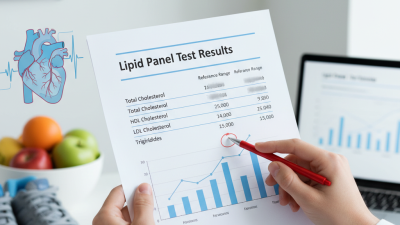
Understanding your lipid panel test results is vital for maintaining heart health. The lipid panel test measures different types of fats in your blood. This test provides insights into your cholesterol levels and overall cardiovascular risk. Knowing how to interpret these numbers is crucial. High cholesterol could indicate potential heart issues.
Many people struggle with the details of their lipid panel results. Numbers like LDL, HDL, and total cholesterol can be confusing. It’s easy to overlook the significance of these figures. Regular tests can help you keep track. You may need to adjust diet or lifestyle based on these results.
Having a clear understanding can empower you. It allows for informed decisions about your health. Consulting with healthcare professionals is essential. They can explain your results in context and guide you on the next steps. Remember, your lipid panel test is a snapshot that requires reflection and action.
Understanding the Basics of a Lipid Panel Test
Understanding a lipid panel test is crucial for monitoring heart health. This test measures various fats in your blood, primarily cholesterol and triglycerides. It consists of several components, including total cholesterol, LDL (bad cholesterol), HDL (good cholesterol), and triglycerides. Each component plays a significant role in assessing your cardiovascular risk.
Cholesterol levels are not solely influenced by diet. Genetics, lifestyle, and existing health conditions also play a part. For example, high LDL levels can indicate a higher risk of heart disease. In contrast, HDL is considered protective against heart issues. It's essential to interpret these results with your healthcare provider, as they can offer tailored advice based on your overall health.
Most people struggle to understand these numbers due to their complexity. You might feel overwhelmed when you first see your results. It's normal to have questions. Reflect on your lifestyle habits and discuss them openly with your doctor. This reflection can lead to better heart health management and lower risk levels over time.
Key Components of Lipid Panel Results Explained
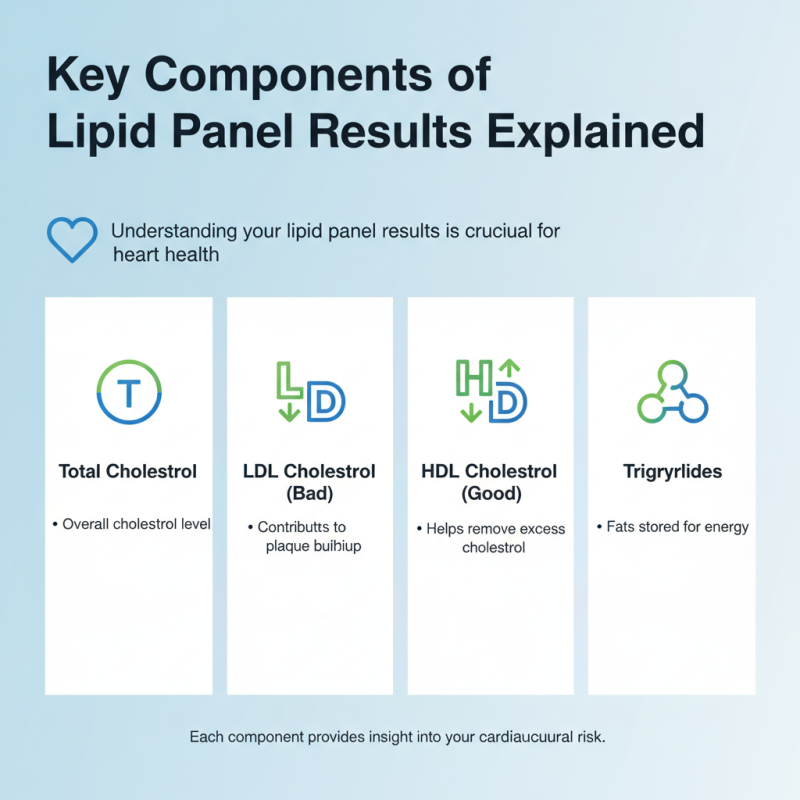
Understanding your lipid panel results is crucial for heart health. A lipid panel typically measures total cholesterol, LDL, HDL, and triglycerides. Each component provides insight into your cardiovascular risk.
Total cholesterol indicates the overall quantity of cholesterol in your blood. A reading below 200 mg/dL is generally considered healthy. However, many people have levels that raise concerns. Almost 50% of American adults have total cholesterol levels above 200 mg/dL. LDL, often called "bad" cholesterol, should ideally be less than 100 mg/dL. High LDL levels are directly linked to heart disease.
HDL, or "good" cholesterol, helps remove harmful cholesterol from the bloodstream. Aim for HDL levels above 60 mg/dL for optimal protection. Lastly, triglycerides measure the fat in your blood. Levels under 150 mg/dL are considered normal. Elevated triglycerides can result from poor diet or lack of exercise, which is common. Many individuals overlook the importance of managing these levels. Regular screenings and understanding these components can lead to better heart health outcomes.
Interpreting Cholesterol Levels: HDL vs. LDL
Understanding cholesterol levels is vital for heart health. The lipid panel test measures HDL and LDL cholesterol. HDL (high-density lipoprotein) is considered “good” cholesterol. It helps remove other forms of cholesterol from your bloodstream. A higher HDL level reduces heart disease risk. Ideally, your HDL should be above 60 mg/dL.
In contrast, LDL (low-density lipoprotein) is known as “bad” cholesterol. High levels of LDL can lead to plaque buildup in arteries. This can cause heart attacks or strokes. The American Heart Association recommends keeping LDL levels below 100 mg/dL. Numbers above 160 mg/dL may require lifestyle changes or treatments.
Interpreting these levels can be complex. For instance, even with a normal total cholesterol count, your ratios matter. A person may have a healthy total figure but a poor HDL-to-LDL ratio. Therefore, regular check-ups and comprehensive analysis are essential to ensure accurate assessments. Observing lifestyle factors—like diet and exercise—can help manage these levels effectively.
How to Understand Your Lipid Panel Test Results for Better Heart Health?
| Lipid Type |
Normal Range (mg/dL) |
Interpretation |
| Total Cholesterol |
< 200 |
Healthy |
| LDL (Low-Density Lipoprotein) |
< 100 |
Optimal |
| HDL (High-Density Lipoprotein) |
≥ 60 |
Protective |
| Triglycerides |
< 150 |
Normal |
The Role of Triglycerides in Heart Health
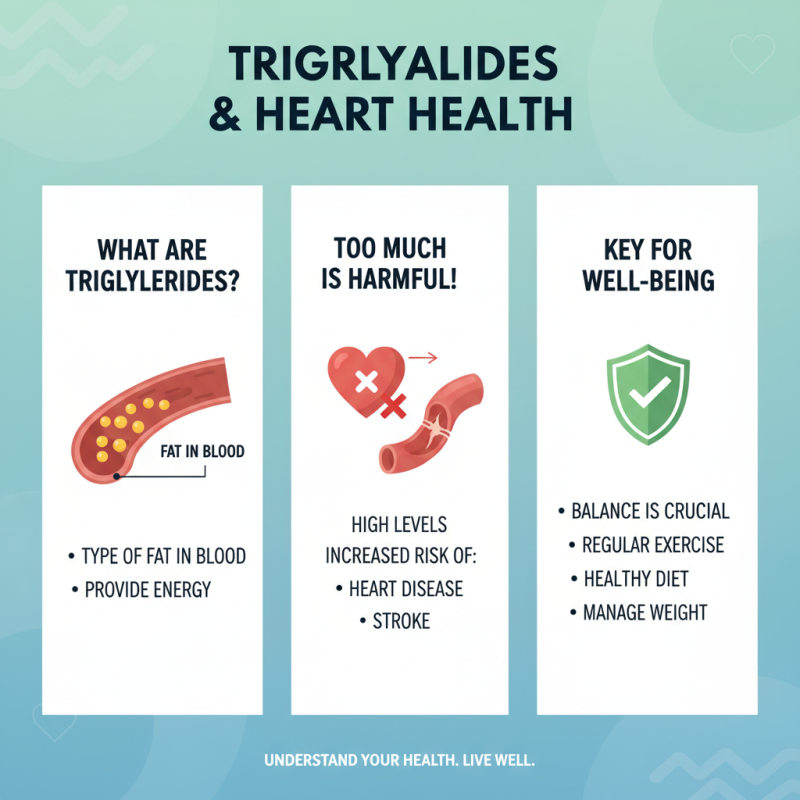
Understanding the role of triglycerides in heart health is essential for overall well-being. Triglycerides are a type of fat found in the blood. They provide energy but can also be harmful when levels are too high. High triglyceride levels can raise the risk of heart disease and stroke.
Examine your lipid panel regularly. Ideal triglyceride levels should be less than 150 mg/dL. Levels between 150 and 199 mg/dL are borderline, while 200 mg/dL and above are considered high. If your results are concerning, you might need to make lifestyle changes.
Tips to lower triglycerides include eating a heart-healthy diet. Focus on whole foods like fruits, vegetables, and lean proteins. Regular exercise can also help manage your triglyceride levels. Aim for at least 30 minutes of physical activity most days. Reducing sugar intake is crucial, as excess sugar can be converted to triglycerides.
Reflect on your habits. Are you consuming too many refined carbs? Consider measuring your portion sizes. Small changes can create significant impacts over time. Pay attention to your alcohol consumption as well, as it is calorie-dense and can lead to increased triglyceride levels. Making informed choices can lead to better heart health.
Tips for Managing Your Lipid Levels Effectively
Understanding your lipid panel test results is crucial for heart health. Managing your lipid levels effectively can lead to better outcomes. Here are some practical tips to consider.
Regular physical activity is vital. Aim for at least 150 minutes of moderate exercise each week. This doesn’t have to be intense. Simple activities like walking or cycling can significantly improve your lipid levels. Consistency is key.
Diet plays a significant role as well. Focus on whole foods. Incorporate fruits, vegetables, and whole grains. Healthy fats are important. Choose sources like avocados, nuts, and olive oil. Monitor your portion sizes. Sometimes it helps to keep a food diary.
Limit processed foods and added sugars. They can contribute to higher cholesterol levels. Even small changes can make a difference. Don’t hesitate to seek guidance from a healthcare professional. Regular check-ups can ensure you’re on the right track. Remember, managing lipid levels is a journey. Each step counts.

 +86-18343147735
 Email
Email WhatsApp