How to Understand Your Lipid Panel Test Results for Better Health?
Understanding your Lipid Panel Test is essential for achieving better health. This test assesses your cholesterol levels and triglycerides. Knowing your numbers can guide lifestyle changes and medical decisions. High cholesterol increases the risk of heart disease, strokes, and other health issues.
Many individuals find lab results confusing. Terms like LDL, HDL, and total cholesterol may seem overwhelming. Each component plays a role in your overall health. LDL is often labeled "bad" cholesterol, while HDL is considered "good." Aiming for balanced levels can be challenging.
It’s crucial to reflect on your results and their implications. You may need to alter your diet or increase physical activity. Consulting with healthcare professionals can clarify confusing aspects. They can offer personalized advice based on your unique health situation. Embrace the process of understanding and improving your health through your Lipid Panel Test.
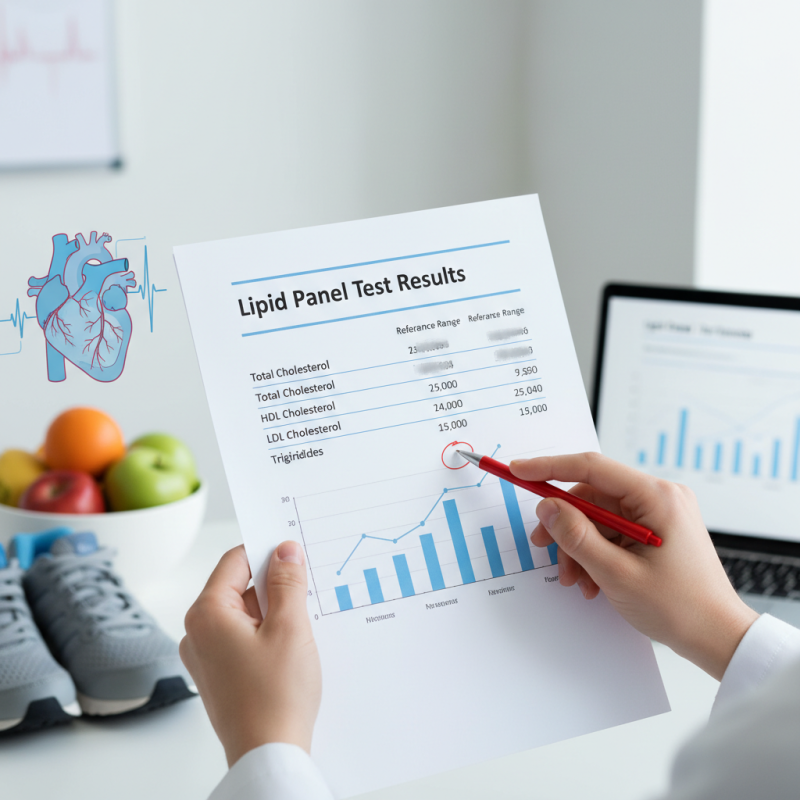
What is a Lipid Panel Test and Its Importance for Health?
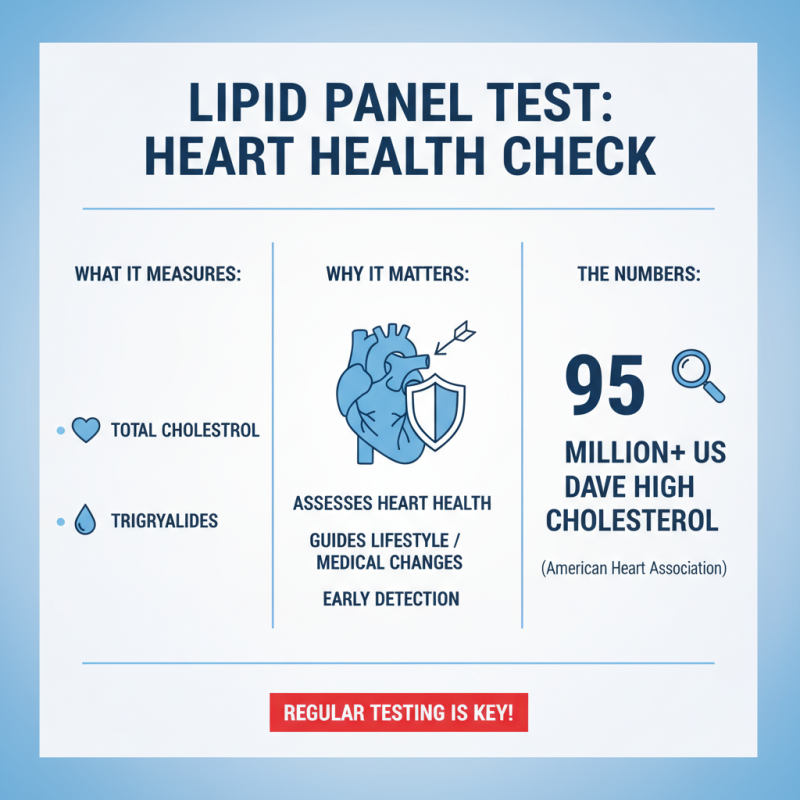
A lipid panel test is a crucial tool for assessing heart health. It measures levels of cholesterol and triglycerides in the blood. Understanding these levels can guide lifestyle changes or medical interventions. According to the American Heart Association, nearly 95 million U.S. adults have high cholesterol. This statistic stresses the importance of regular testing.
The test typically includes total cholesterol, low-density lipoprotein (LDL), high-density lipoprotein (HDL), and triglycerides. Ideal total cholesterol should be below 200 mg/dL. However, a sizable number of individuals have levels exceeding this threshold. Low HDL, often termed "good" cholesterol, is linked to increased heart disease risks. Maintaining HDL levels above 40 mg/dL is crucial for men and above 50 mg/dL for women.
Lifestyle factors greatly influence lipid levels. Diet, exercise, and smoking play significant roles. Studies indicate that a heart-healthy diet can improve lipid profiles. Yet, many people struggle to make necessary changes. Only 30% of adults meet the guidelines for physical activity. This highlights the need for better awareness and action regarding lipid health. Understanding these numbers equips individuals to take charge of their well-being.
Understanding the Components of a Lipid Panel: LDL, HDL, and Triglycerides
Understanding your lipid panel is crucial for maintaining heart health. A lipid panel measures key fats in your blood, including LDL, HDL, and triglycerides. Each plays a different role in your overall health.
LDL, or low-density lipoprotein, is often termed "bad" cholesterol. High levels can lead to plaque buildup in arteries. This condition increases the risk of heart disease. It is essential to look at your LDL number closely.
On the other hand, HDL, known as "good" cholesterol, helps remove LDL from the bloodstream. Higher HDL levels can be very beneficial. Strive for a balance between these two. Triglycerides, another component, reflect how your body stores fat. Elevated levels may signal dietary issues. Engaging in physical activity can help lower triglycerides.
Take time to reflect on your results. Each number tells a story about your health. Monitoring your lipid panel can guide you to make positive lifestyle choices. Knowledge empowers better health.
How to Read and Interpret Your Lipid Panel Test Results
Understanding your lipid panel is crucial for maintaining heart health. A standard lipid panel typically measures total cholesterol, LDL, HDL, and triglycerides. High levels of LDL cholesterol (often referred to as "bad" cholesterol) are associated with an increased risk of cardiovascular disease. According to the American Heart Association, optimal LDL levels are below 100 mg/dL. Regular check-ups can help track these levels over time.
When interpreting your results, pay attention to your HDL cholesterol, known as "good" cholesterol. Higher HDL levels can lower heart disease risk. Data suggests that levels above 60 mg/dL may provide protective benefits. However, many people struggle with maintaining healthy HDL levels. Lifestyle changes, like incorporating physical activity, can have positive effects.
Additionally, triglyceride levels are important. A normal level is typically below 150 mg/dL. Elevated triglyceride levels can signal metabolic syndrome, a condition that raises heart disease risk. Many individuals overlook this detail in their lipid panels. It’s essential to reflect on these numbers and understand how lifestyle impacts them. Proper interpretation of your lipid panel can steer you towards better health decisions.
Lipid Panel Test Results
| Lipid Component |
Optimal Range |
Measured Value |
Interpretation |
| Total Cholesterol |
< 200 mg/dL |
210 mg/dL |
High, increased risk of heart disease |
| LDL Cholesterol |
< 100 mg/dL |
130 mg/dL |
Borderline high, consider dietary changes |
| HDL Cholesterol |
> 60 mg/dL |
55 mg/dL |
Low, higher risk of heart disease |
| Triglycerides |
< 150 mg/dL |
140 mg/dL |
Normal |
Factors Influencing Lipid Levels and Their Impact on Health
Lipid levels are influenced by numerous factors. Diet plays a crucial role. Consuming saturated fats can raise cholesterol levels. Whole grains and fiber can help lower them. Regular physical activity also has a positive impact. Exercise can increase HDL, the “good” cholesterol.
Genetics are another key player. Some people may inherit a tendency for high lipid levels. Stress can exacerbate these conditions, as hormones released during stress can affect cholesterol metabolism. Additionally, age and gender contribute significantly. Men typically face higher risk levels earlier than women.
Lifestyle choices matter greatly. Smoking and excessive alcohol consumption can worsen lipid profiles. Ensuring regular check-ups is essential for understanding your unique lipid panel. A detailed analysis helps tailor health strategies. Awareness and modifications can lead to better management of lipid levels.
Tips for Maintaining Healthy Lipid Levels Through Lifestyle Changes
Managing lipid levels is crucial for heart health. High cholesterol can lead to cardiovascular diseases. According to the American Heart Association, nearly 95 million adults in the U.S. have high cholesterol. This statistic highlights the need for effective lifestyle changes.
Diet plays a vital role in controlling lipid levels. Incorporating more fruits, vegetables, and whole grains can yield significant benefits. For instance, fiber-rich foods help lower LDL cholesterol. The Harvard School of Public Health emphasizes that replacing saturated fats with healthy fats can reduce heart disease risks by 30%. This replacement could involve using olive oil instead of butter.
Regular exercise is another cornerstone of maintaining healthy lipid levels. The CDC recommends at least 150 minutes of moderate-intensity aerobic activity weekly. Even brisk walking can suffice. However, many struggle to meet this guideline. Simple changes, like taking stairs instead of the elevator, can make a difference. It's essential to identify personal barriers to physical activity for improvement. Recognizing these patterns can lead to better health outcomes.
Understanding Your Lipid Panel Test Results
This bar chart illustrates the average lipid levels in mg/dL across different categories. Maintaining healthy lipid levels is crucial for overall health. Below are the recommended levels:
- Total Cholesterol: Less than 200 mg/dL
- LDL (Bad Cholesterol): Less than 100 mg/dL
- HDL (Good Cholesterol): 60 mg/dL or higher
- Triglycerides: Less than 150 mg/dL

 +86-18343147735
 Email
Email WhatsApp