2026 How to Understand Your Lipid Panel Test Results?
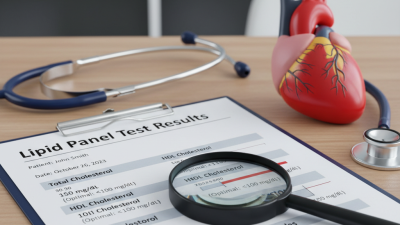
Understanding your Lipid Panel Test results is crucial for maintaining heart health. This test measures your cholesterol levels and triglycerides. Knowing these numbers can guide your doctor in assessing your risk of heart disease.
A typical Lipid Panel Test includes total cholesterol, LDL, HDL, and triglycerides. Each component reflects your body’s fat levels. One may feel overwhelmed reading such lab reports. You might see unfamiliar terms and numbers. Yet, breaking them down can help you make informed health decisions.
Sometimes, results can be misleading. For instance, normal cholesterol levels do not guarantee perfect health. It's essential to consider other risk factors. Lifestyle choices play a significant role. Reflect on your diet and exercise habits. This awareness can motivate positive changes, leading to better heart health. Understanding your results is just the beginning of the journey.
What is a Lipid Panel and Why is it Important?
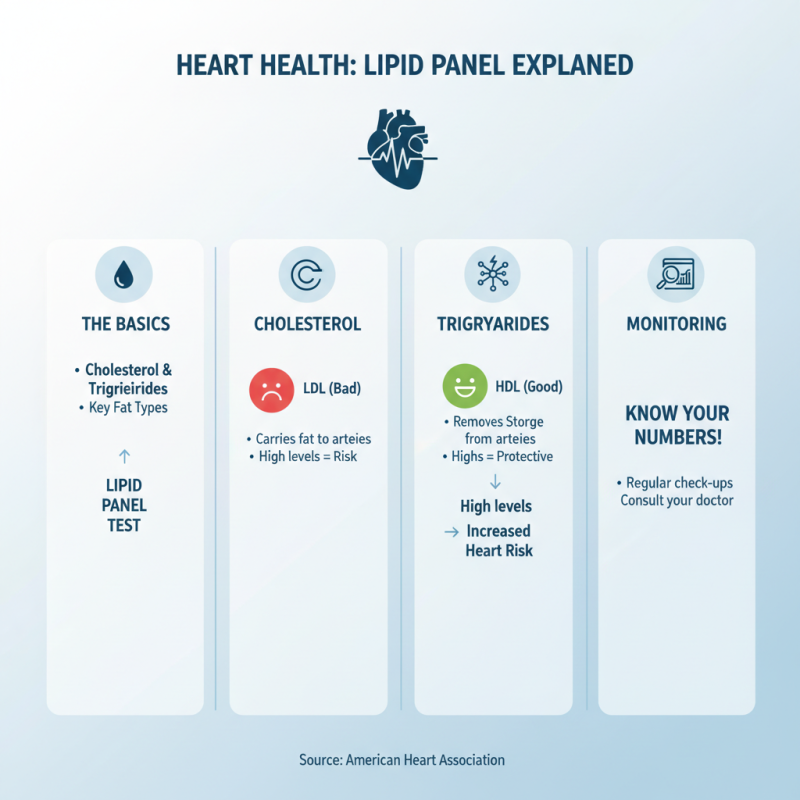
A lipid panel is a blood test that measures specific fats in your blood, including cholesterol and triglycerides. It typically includes total cholesterol, LDL (low-density lipoprotein), HDL (high-density lipoprotein), and triglycerides. Understanding these numbers is crucial for maintaining heart health. According to the American Heart Association, high levels of LDL cholesterol can lead to arterial plaque buildup, increasing heart disease risk.
The importance of a lipid panel cannot be overstated. Research shows that nearly 50% of adults in the U.S. have high cholesterol levels. Tracking these metrics is vital, especially for those with risk factors like obesity or diabetes. For instance, an LDL level above 160 mg/dL is often considered high. Conversely, an HDL level below 40 mg/dL is viewed as a risk factor for heart disease.
Many individuals receive their lipid panel results but fail to understand their implications. Some tests may show normal cholesterol levels, yet hidden risks remain. Controlling triglycerides, for example, is essential. If your triglyceride level is above 150 mg/dL, it could indicate an issue. It’s not enough to just glance at the numbers; a deeper understanding of what they mean is essential for proactive health management.
Lipid Panel Test Results Overview
Key Components of a Lipid Panel: Understanding Cholesterol and Triglycerides
Understanding cholesterol and triglycerides is vital for monitoring heart health. A lipid panel provides essential insights into these components. Cholesterol consists of LDL (bad) and HDL (good) types. Elevated LDL levels raise heart disease risk, while high HDL levels can be protective.
Triglycerides, another key element, reflect fat levels in the blood. When these levels exceed 150 mg/dL, health risks increase. According to the American Heart Association, nearly one in three adults has high triglycerides. This can lead to serious health issues, including pancreatitis and heart disease.
Tips: Aim for a balanced diet rich in whole grains and healthy fats to improve your lipid profile. Regular exercise can help lower LDL and triglycerides. Reflect on your habits; small changes can have a substantial impact. Monitor your results regularly to stay informed about your health.
Interpreting Lipid Panel Results: Normal Ranges and What They Mean
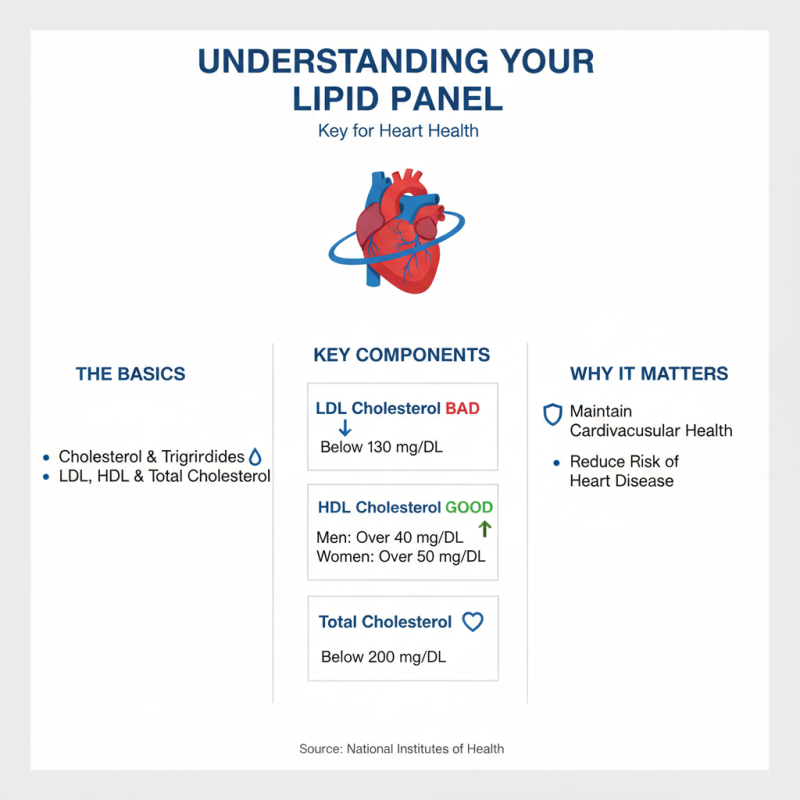
Understanding your lipid panel results is crucial for maintaining cardiovascular health. A lipid panel typically includes cholesterol and triglyceride measurements. Key components are LDL (bad cholesterol), HDL (good cholesterol), and total cholesterol. Normal ranges vary, but generally, LDL should be below 130 mg/dL, while HDL should be over 40 mg/dL for men and 50 mg/dL for women. Total cholesterol should ideally be below 200 mg/dL.
Sometimes, results may surprise you. High LDL levels can indicate a greater risk for heart disease. Reflect on your lifestyle choices if your levels are elevated. Are you exercising regularly? Is your diet balanced? Small changes can lead to significant improvements.
**Tips:** Check labels for trans fats. Regular exercise helps boost HDL. Consider visiting a healthcare professional for personalized advice. If you're confused by your results, don't hesitate to ask questions. Understanding your panel is a step towards better health.
Factors Affecting Lipid Levels: Genetics, Diet, and Lifestyle Choices
Understanding lipid levels requires a closer look at genetics, diet, and lifestyle choices. Genetic factors significantly influence lipid profiles. A study published in the journal *Nature Genetics* revealed that genetic variations could account for about 30% of cholesterol levels. This means that even with a healthy lifestyle, some individuals might struggle with high levels due to their genes.
Diet plays a crucial role in managing lipid levels. Consuming foods rich in saturated fats and trans fats can elevate LDL cholesterol. A 2021 report from the American Heart Association highlighted that reducing saturated fat intake by even 5% can lower the risk of heart disease. In contrast, incorporating healthy fats, such as those found in nuts and fish, can improve HDL levels. However, finding the right balance can be challenging. Many people gravitate toward convenience foods, often neglecting nutrition.
Lifestyle choices affect lipids too. Regular physical activity can help maintain healthy cholesterol levels. The Centers for Disease Control and Prevention (CDC) suggests at least 150 minutes of moderate exercise weekly. Yet, many find it difficult to make time for fitness. Stress, inadequate sleep, and sedentary habits can all contribute to poor lipid profiles. Reflecting on these factors is essential for understanding and improving individual health outcomes.
2026 How to Understand Your Lipid Panel Test Results?
| Factor |
Impact on Lipid Levels |
Example Results |
| Genetics |
Can predispose individuals to high cholesterol, triglycerides |
Familial hypercholesterolemia with LDL levels > 190 mg/dL |
| Diet |
Saturated and trans fats can increase LDL levels |
High intake leading to LDL levels of 160 mg/dL |
| Physical Activity |
Regular exercise can lower triglycerides and raise HDL |
Increased HDL from 40 mg/dL to 55 mg/dL |
| Weight Management |
Weight loss can improve lipid profiles |
Loss of 10% body weight reducing LDL by 10-15% |
| Smoking |
Can lower HDL levels |
HDL levels dropping from 50 mg/dL to 35 mg/dL |
Next Steps After Your Lipid Panel: Managing Your Cholesterol Levels
Understanding your lipid panel results is crucial. It can guide your lifestyle changes. A healthy cholesterol level is vital for your heart. According to the American Heart Association, nearly 40% of adults have high cholesterol. This condition increases the risk of heart disease and stroke.
After receiving your results, consider your HDL and LDL levels. HDL is the “good” cholesterol, while LDL is the “bad” cholesterol. Aim for an HDL level above 60 mg/dL. It's common to feel overwhelmed by these numbers. Many people struggle with dietary adjustments and exercise. Even small changes, like swapping snacks, matter.
Regular exercise can greatly impact your cholesterol levels. The CDC states that 150 minutes of moderate aerobic activity weekly can boost your heart health. Yet, sticking to a routine is tough for many. Reflect on your triggers for unhealthy eating. Acknowledging them is the first step. Pair this knowledge with a set plan. Consider consulting a healthcare provider for personalized advice.

 +86-18343147735
 Email
Email WhatsApp