How to Understand Your Fbs Blood Test Results Effectively?
Understanding your Fbs Blood Test results is crucial for maintaining your health. This test measures your blood sugar levels and provides insight into your overall metabolic state. High or low readings can indicate different health issues. It’s not just numbers; it’s your body communicating with you.
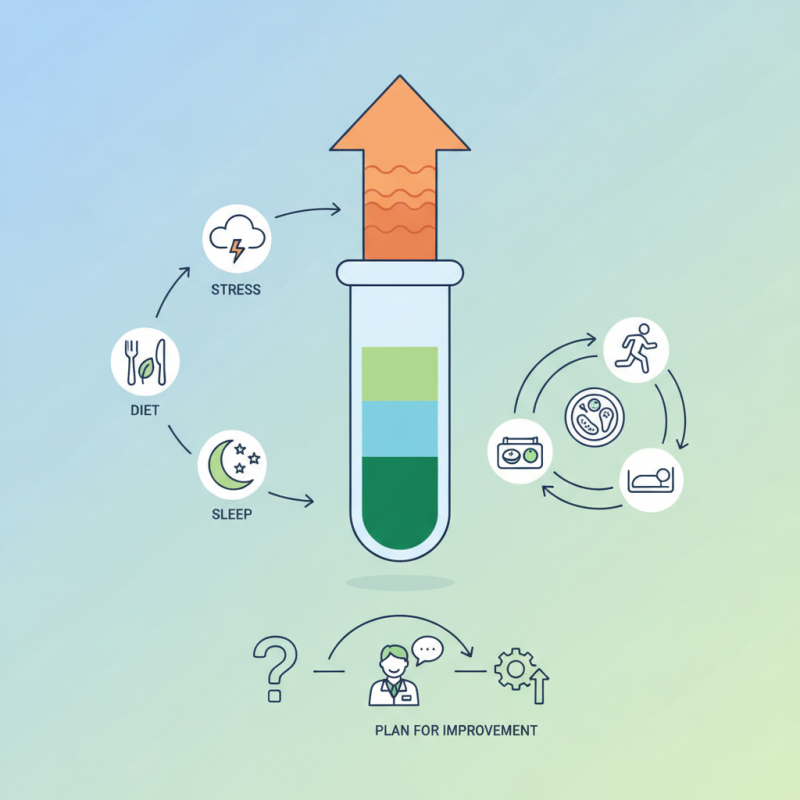
When you receive your results, don’t panic. It's common for people to feel overwhelmed. The key is to take a step back and analyze the data. Consider factors like diet, sleep, and stress levels. Each can impact your Fbs Blood Test results. Reflect on your daily habits. Are you eating balanced meals? Are you getting enough exercise?
Sometimes, the results may not be what you expected. This can lead to confusion or anxiety. Remember, it’s a starting point for your health journey, not a final verdict. Consult your healthcare provider for tailored advice. They can help you decode your results and create a plan for improvement. Embrace this learning opportunity to better understand your health.
Understanding the Purpose of Fasting Blood Sugar (FBS) Tests
Fasting Blood Sugar (FBS) tests play a critical role in assessing your glucose levels. These tests measure the amount of sugar in your bloodstream after fasting for at least eight hours. This helps determine how well your body manages glucose.
The American Diabetes Association states that normal FBS levels range from 70 to 99 mg/dL. Levels between 100 and 125 mg/dL indicate prediabetes. A reading of 126 mg/dL or higher suggests diabetes. This is why understanding these numbers is essential. Yet, many people overlook the importance of fasting accurately or interpreting their results.
Misunderstandings often arise when people fail to consider factors that can affect their readings. Illness, stress, and certain medications can all influence FBS levels. Additionally, lifestyle choices like diet and exercise play a part. The Centers for Disease Control and Prevention (CDC) indicates that nearly 90 million Americans have prediabetes, suggesting a widespread gap in awareness and understanding. Reflecting on your own lifestyle can help clarify your results. Every detail matters in getting a full picture of your health.
Interpreting Normal Ranges for Fasting Blood Sugar Levels
Understanding fasting blood sugar (FBS) levels is essential for managing health. Normal fasting blood sugar levels range from 70 to 99 mg/dL. Levels below this range may indicate hypoglycemia, while higher readings suggest prediabetes or diabetes.
When interpreting your results, context matters. Individual factors like diet, stress, and medications can affect your levels. For example, missing breakfast might lead to lower results. Sometimes you might wonder if you need to retest. It’s not always straightforward. Observing trends is key, rather than focusing solely on one isolated test.
If you receive results on the higher side, it’s worth reflecting on lifestyle habits. Are you eating balanced meals? Are you incorporating enough physical activity into your routine? Small changes can make a difference. Engaging with healthcare professionals can provide additional clarity, as they can help you sift through the information. The path to understanding is often filled with uncertainties, yet gaining insights into blood sugar levels is crucial for your overall well-being.
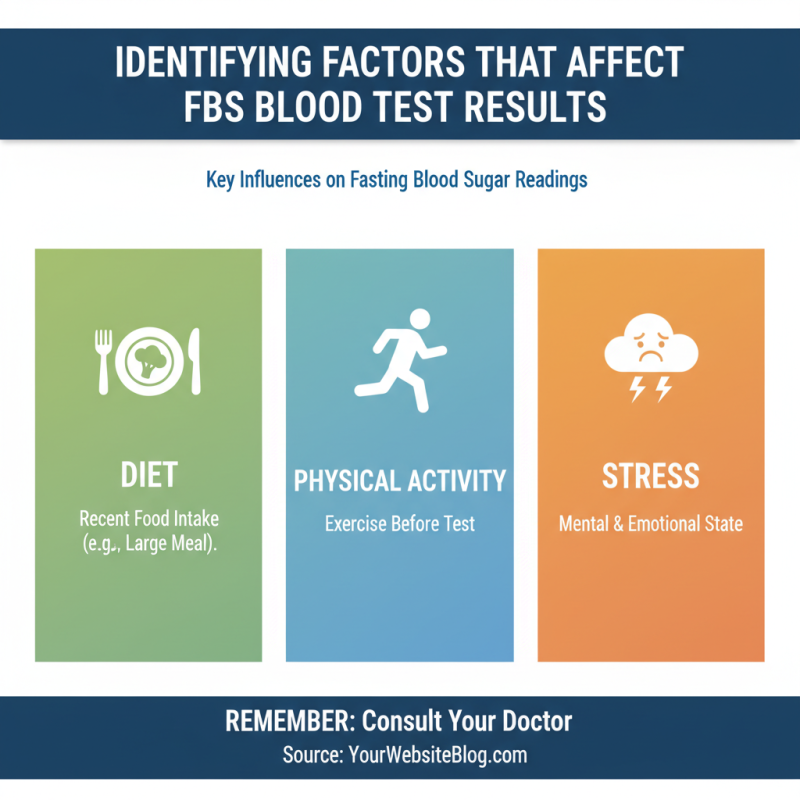
Identifying Factors That Affect FBS Blood Test Results
Understanding your FBS blood test results can be challenging. Several factors may influence your readings. Diet, physical activity, and even stress can lead to variations. For example, eating a large meal shortly before the test can raise your levels. It's essential to keep these factors in mind.
Tips: To get accurate results, avoid heavy meals the night before. Drink plenty of water instead. Staying hydrated may help ensure more reliable results.
Medications might also impact your FBS levels. Some common drugs can cause fluctuations. It's important to inform your healthcare provider about any medications you are taking.
Tips: Keep a record of your medications and discuss them with your doctor. This can help you understand how they might affect your test results. Pay attention to how stress affects you, too. Stress management techniques could improve your overall health.
Recognizing the Implications of Abnormal FBS Results
Understanding abnormal FBS (Fasting Blood Sugar) results is crucial for your health. High levels can indicate prediabetes or diabetes. Low levels, although less common, might signal other medical conditions. It's vital to interpret these results within the context of your overall health.
When you see high FBS numbers, it's easy to panic. However, consider your lifestyle. Did you eat late the night before? Were you stressed? These factors can skew results. Take a moment to reflect. Have you been more sedentary lately? Such changes can significantly affect your readings.
If your results are abnormal, don’t jump to conclusions. Discuss with your healthcare provider. They may suggest further testing. Lifestyle adjustments can often help bring levels back to normal. A balanced diet and regular exercise are key. But remember, every individual is different. What works for one may not work for another.
Next Steps After Receiving Your FBS Blood Test Results
Receiving your FBS blood test results can stir up different emotions. The next steps depend on your specific readings. The American Diabetes Association suggests that a fasting blood sugar level below 100 mg/dL is normal. Values between 100 and 125 mg/dL indicate prediabetes. A level of 126 mg/dL or higher may mean diabetes.
If your results show prediabetes, it’s crucial to take action. Lifestyle changes are often advisable. Studies reveal that modest weight loss can significantly reduce diabetes risk. Many experts recommend losing 5-10% of body weight. Regular physical activity is also beneficial. Aim for at least 150 minutes of moderate exercise weekly. This can make a difference.
For those diagnosed with diabetes, the journey can feel overwhelming. Immediate steps include setting up a meeting with a healthcare professional. Understanding your results together is key. Monitoring blood sugar levels is essential too. It’s normal to feel lost, but remember that knowledge empowers you. Adjusting to this new reality takes time and reflection. Seek support from healthcare teams or community programs; they can offer guidance tailored to your needs.

 +86-18343147735
 Email
Email WhatsApp