Top Glucose Testing Methods for Accurate Blood Sugar Monitoring?
Accurate blood sugar monitoring is crucial for managing diabetes and maintaining overall health. The glucose testing industry has evolved, offering various methods to ensure precise readings. According to a report by the American Diabetes Association, over 34 million Americans are diagnosed with diabetes. This statistic underscores the importance of effective glucose testing methods.
Dr. David S. Gottesman, a leading expert in diabetes care, states, "The accuracy of glucose testing is vital for informed management decisions." This sentiment reflects the pressing need for reliable testing solutions. Traditional fingerstick methods have been widely used, but newer technologies, such as continuous glucose monitors (CGMs), have emerged. These devices provide real-time data, improving patient outcomes.
Despite advancements, challenges remain. Some users struggle with the accuracy of certain devices, and accessibility can be a barrier. Continuous innovation is necessary for addressing these issues. With the right approach, glucose testing can significantly enhance diabetes management, leading to better health for millions.
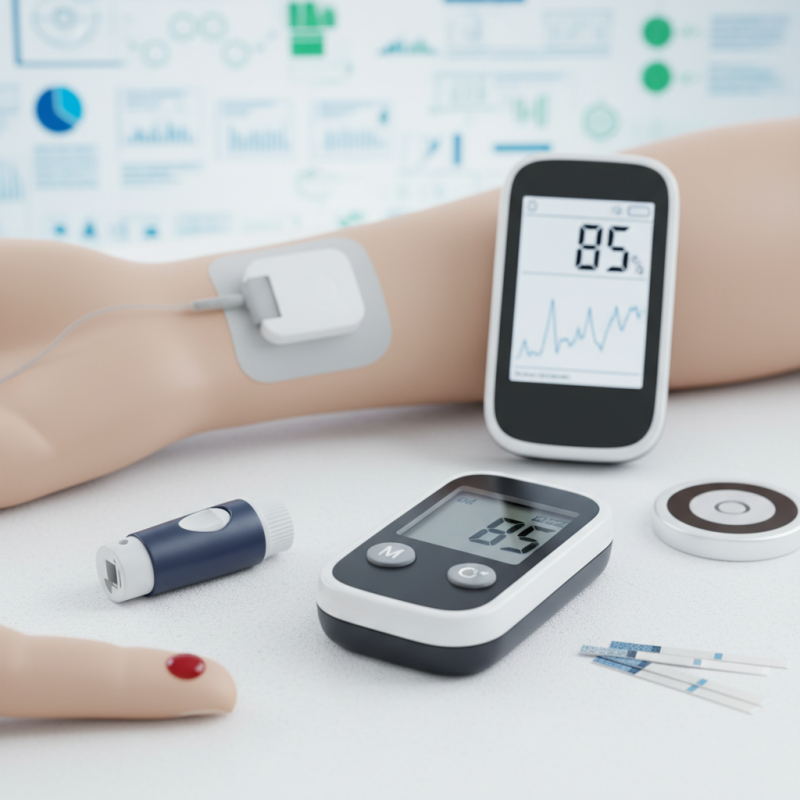
Top Glucose Testing Methods: An Overview of Current Technologies
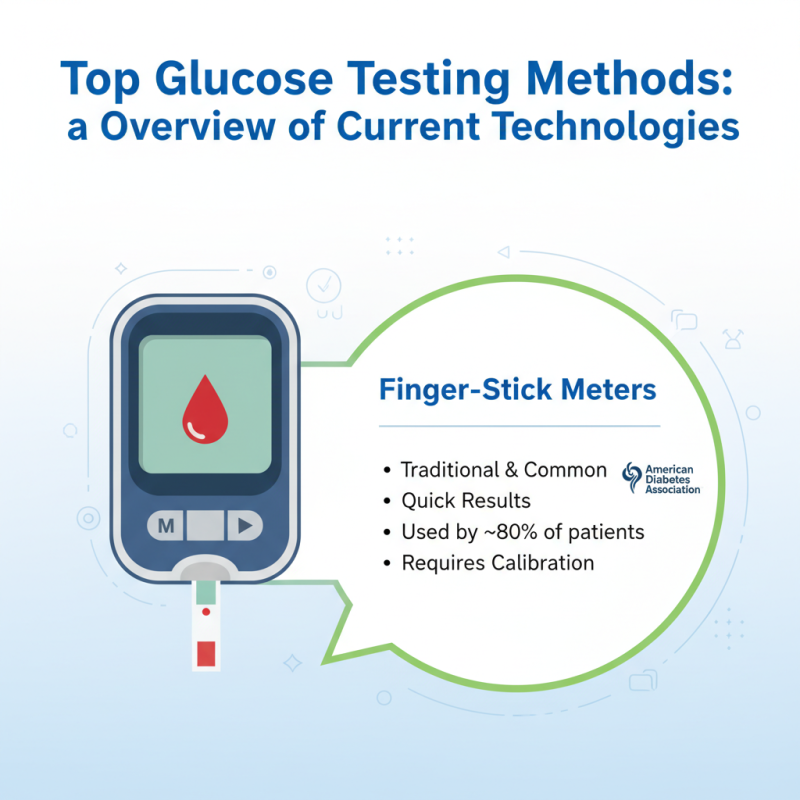
Blood sugar monitoring is crucial for managing diabetes. Several technologies are currently available, each with its strengths. Traditional finger-stick blood glucose meters are common. These devices have been used for decades and provide quick results. A study from the American Diabetes Association shows that about 80% of patients use these meters. However, they require regular calibration and can be cumbersome for some users.
Continuous glucose monitors (CGMs) have gained popularity. Data from the Diabetes Technology Society indicates that CGMs can provide real-time glucose readings. They alert users to high or low levels, enhancing safety. Moreover, they offer a continuous glucose trend, allowing better management decisions. However, the cost and the need for sensor replacements can be a barrier for some users.
Alternative methods, like breath and saliva tests, are emerging. Research from the Journal of Diabetes Science and Technology highlights progress in non-invasive testing. These technologies promise convenience but still need validation for widespread use. Users often voice concerns about accuracy and reliability. Ultimately, the quest for an ideal glucose testing method continues, reflecting the need for patient-centered solutions.
Understanding Glucometers: Features and Accuracy Ratings
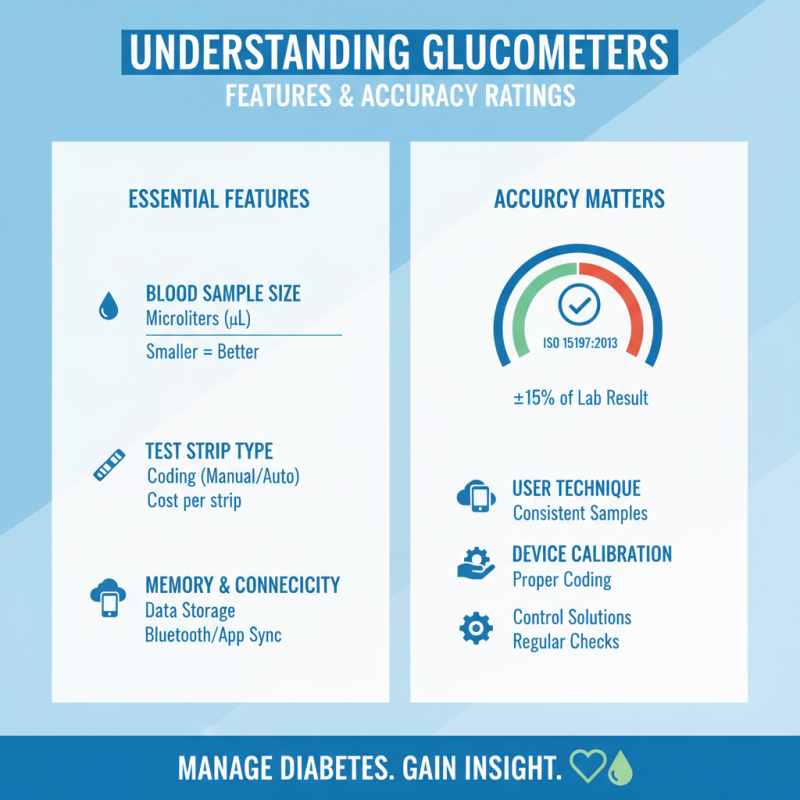
Glucometers are essential tools for managing diabetes. They measure blood sugar levels quickly and conveniently. Users can check their glucose levels at home, gaining valuable insight into their health.
When choosing a glucometer, accuracy is crucial. Some models have features that enhance precision, such as advanced sensor technology. Users should also consider ease of use. A straightforward design helps reduce errors during testing. Certain glucometers offer data storage, enabling users to track their readings over time. However, it’s important to note that not all devices perform equally in accuracy ratings.
Common issues may arise with calibration, leading to inconsistent results. Factors like improper usage can affect readings as well. Regularly reviewing the device’s user manual is essential. Always validate results with a healthcare professional when uncertain. The goal is to empower users to make informed decisions about their health management.
Continuous Glucose Monitors: Benefits and Industry Trends
Continuous glucose monitors (CGMs) are revolutionizing diabetes management. These devices provide real-time glucose readings, offering users an opportunity for better blood sugar control. A recent industry report indicates that the market for CGMs is projected to grow at a compound annual growth rate (CAGR) of 20% over the next five years. This growth reflects a rising demand for more effective diabetes monitoring solutions.
One of the major benefits of CGMs is their ability to provide alerts for high and low glucose levels. This can help prevent emergencies and improve overall health. However, challenges remain. Some users experience discomfort from sensor placement, and there can be variances in accuracy. Clinical studies have shown that while CGMs offer benefits, they can still have discrepancies up to 15% compared to traditional fingerstick tests.
Recent trends in the industry focus on enhancing user experience. Innovations aim to reduce sensor costs and increase lifespan. As technologies improve, the reliability of CGMs will likely enhance. Continuous education for users is vital. Understanding how to interpret data effectively can lead to better outcomes, and support from healthcare professionals remains essential.
Top Glucose Testing Methods for Accurate Blood Sugar Monitoring
This chart illustrates the average accuracy of various glucose testing methods based on recent studies. Continuous Glucose Monitors (CGMs) show a significant benefit in precision compared to traditional fingerstick methods.
Alternative Testing Methods: Comparison of Non-Invasive Options
In recent years, non-invasive glucose testing methods have gained popularity. Traditional methods often require finger pricks, causing discomfort. People seek alternatives that are less intrusive. Non-invasive devices promise to monitor blood sugar levels without needing to draw blood. This innovation aims to improve user compliance and comfort.
Wearable technologies like continuous glucose monitors are on the rise. These devices use sensors placed on the skin. They can measure glucose levels through interstitial fluid, offering real-time data. However, they are not without flaws. Accuracy can vary based on factors like hydration and sensor placement. Users need to be vigilant about calibrating these devices regularly.
Another emerging option is breath analysis technology. This method assesses glucose levels through breath composition. While promising, it is still in its developmental stages. Its reliability remains questionable in comparison to blood tests. People interested in these methods should approach with caution. Continuous research and validation are necessary to enhance their effectiveness. Understanding the limitations of non-invasive options is crucial for effective diabetes management.
Top Glucose Testing Methods for Accurate Blood Sugar Monitoring
| Testing Method |
Type |
Invasiveness |
Time for Results |
Accuracy |
Cost |
| Fingerstick Blood Test |
Invasive |
Yes |
Few seconds |
High |
$1 per test |
| Continuous Glucose Monitor (CGM) |
Invasive |
Yes |
Real-time |
Moderate to High |
$600-$800 per year |
| Flash Glucose Monitoring |
Invasive |
Yes |
Real-time |
High |
$300-$600 per year |
| Urine Glucose Test |
Non-invasive |
No |
Minutes |
Low to Moderate |
$0.50 per test |
| Breath Analysis |
Non-invasive |
No |
Minutes |
Experimental |
$10-$20 per test |
Emerging Technologies in Blood Sugar Monitoring: Future Perspectives
Emerging technologies in blood sugar monitoring are reshaping how diabetes is managed.
According to recent reports from the American Diabetes Association, nearly 30 million Americans have diabetes.
This underscores the critical need for reliable and innovative testing methods.
Continuous Glucose Monitoring (CGM) systems have gained popularity, allowing users to track their glucose levels in real-time.
These devices offer insights that traditional finger stick tests cannot provide.
Wearable sensors are one of the most exciting developments. Studies show that they can help predict hyperglycemic events with over 90% accuracy.
However, challenges remain. The cost of these devices can be prohibitive, limiting access for many individuals.
Critics question whether insurance will adapt to cover such technology. This creates a gap between those who can benefit from innovations and those who are left behind.
Additionally, smartphone apps and AI algorithms are now emerging in this field.
These tools aid in data interpretation, providing personalized recommendations.
Yet, their reliance on user input can lead to inaccuracies.
Users sometimes forget to log data or misinterpret metrics.
Balancing technology with educational resources will be crucial to maximizing effectiveness.
Though these advancements promise a better understanding of glucose levels, a cautious approach is essential.
The future of blood sugar monitoring is bright, but many hurdles still need addressing.

 +86-18343147735
 Email
Email WhatsApp