Top 10 Facts About Fbs Blood Test You Need to Know?
The Fbs Blood Test plays a crucial role in assessing glucose levels in the body. According to Dr. Lisa Chen, a leading expert in metabolic health, "Understanding your blood sugar is vital for overall health." This test is especially important for individuals at risk of diabetes. It helps identify issues before they escalate.
The Fbs Blood Test measures fasting blood sugar after overnight fasting. This simple test can reveal underlying metabolic problems. Many people overlook its significance. They may associate health only with regular check-ups or other tests. Yet, this test can provide essential insights that aid in prevention strategies.
Furthermore, misconceptions about the Fbs Blood Test can lead to neglect. People might think it's unnecessary if they feel fine. However, silent issues could lurk beneath the surface. Awareness of potential risks is key to a proactive health approach.
What Is an FBS Blood Test and Its Purpose?
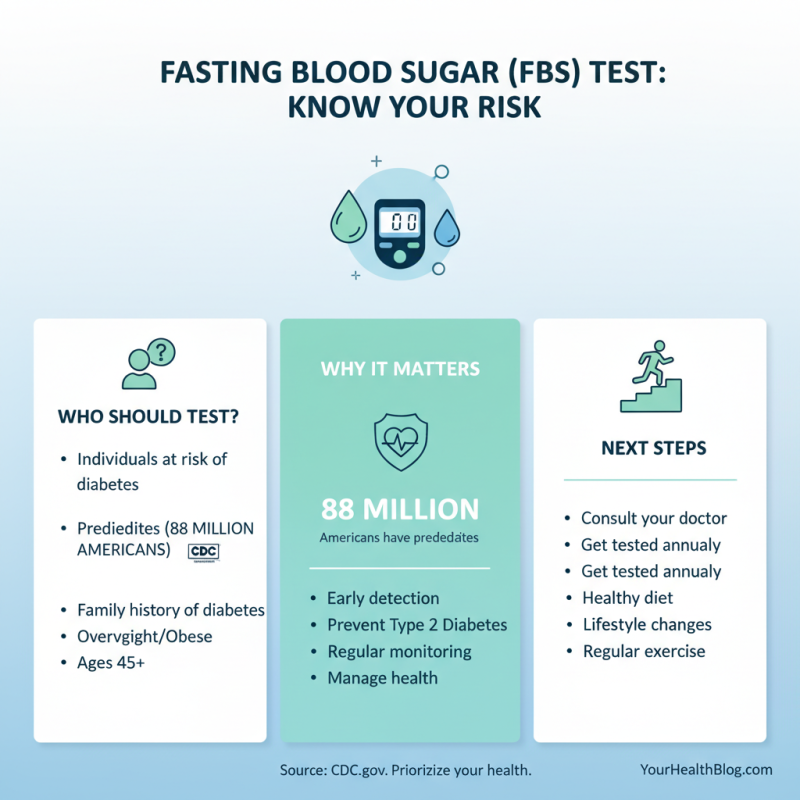
The FBS (Fasting Blood Sugar) test measures blood glucose levels after an overnight fast. It helps assess diabetes risk and monitor glucose regulation. The American Diabetes Association states that a fasting blood sugar level of 126 mg/dL or higher indicates diabetes. With around 34 million Americans living with diabetes, this test plays a crucial role in early detection.
Many people overlook the importance of regular screenings. The Centers for Disease Control and Prevention (CDC) recommends that adults over 45 be tested every three years. It's essential to know your numbers. Maintaining a healthy lifestyle can significantly influence these results.
Tip: If you’re preparing for the test, avoid eating or drinking anything except water for at least eight hours prior.
Even after receiving results, individuals often ignore follow-up advice. This can lead to serious health issues down the road. Regular monitoring is essential.
Tip: Keep track of your results. Documenting changes helps provide insight into your overall health trends. Take charge of your wellbeing, and don’t hesitate to discuss concerns with a healthcare provider.
The Process: How an FBS Blood Test is Conducted
The FBS blood test is crucial for assessing
blood sugar levels. It requires a careful process to ensure accuracy.
Patients must fast for at least eight hours
before the test. This helps to provide a clear picture of their glucose levels without interference from food.
During the test, a healthcare professional will prepare to draw blood.
They clean the skin with an antiseptic to reduce contamination.
A tourniquet is applied to make veins more visible.
Then, a needle is inserted into the vein, and blood is collected in a vial.
The process usually takes a few minutes and is often quick and straightforward.
Some individuals may feel anxious or faint during blood draws.
It’s normal to experience discomfort. Afterward, a bandage is placed on the puncture site.
Patients can typically resume normal activities immediately.
It’s essential to reflect on the importance of these tests for health management.
Understanding the process can alleviate some fear and uncertainty surrounding the FBS blood test.
Understanding Normal vs. Abnormal FBS Levels
Fasting Blood Sugar (FBS) levels are crucial indicators of your health. Understanding the difference between normal and abnormal levels can help you take control of your wellness. Normal FBS levels typically range from 70 to 99 mg/dL. If your levels exceed this, it might indicate prediabetes or diabetes.
When dealing with abnormal levels, lifestyle changes can make a big difference. Regular exercise, a balanced diet, and hydration are key. It can be tough to consistently eat healthy, especially with busy schedules. Meal prep might save you time and help you avoid unhealthy choices.
Monitoring your FBS regularly is essential. If you notice persistent irregularities, seek medical advice. Awareness is vital, but it's also important to reflect on your current habits. Are you getting enough sleep? Stress can impact your blood sugar levels, too. A mind-body approach can be beneficial here. Focus on holistic well-being, not just numbers. The road to better health is a journey, not a sprint.
Potential Risks and Factors Affecting Results
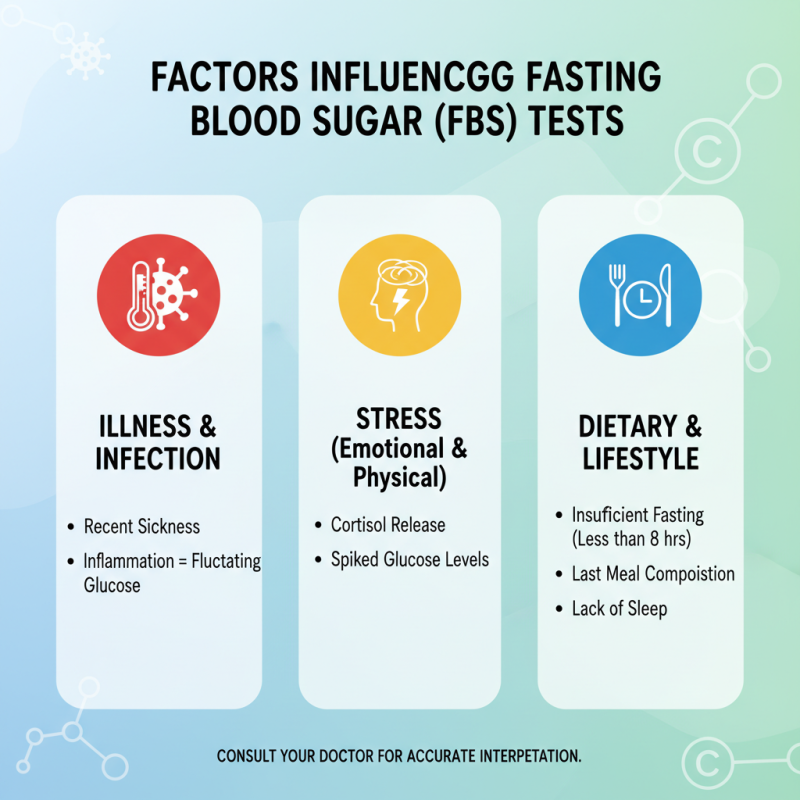
Fasting blood sugar (FBS) tests are essential for assessing glucose levels. However, several factors can influence the accuracy of these results. For instance, recent illness or infections can lead to fluctuating blood sugar levels. Stress also plays a significant role. Emotional or physical stress can spike glucose levels, misleading test outcomes.
Diet is another critical aspect to consider. Foods high in sugar or carbohydrates consumed before testing can skew results. It's recommended to fast for at least 8 hours prior to the test. Additionally, medications can impact blood sugar levels. Some prescriptions may either elevate or lower glucose, complicating the interpretation of the test results.
Patients often overlook these variables. They may assume that a simple fast means consistent results. This is not always the case. Factors like hydration status can also affect the test. Dehydration sometimes leads to concentrated blood samples, which may appear artificially high. Individuals should reflect on their health and lifestyle before undergoing an FBS test. Understanding these potential risks is vital for accurate assessment and subsequent care.

 +86-18343147735
 Email
Email WhatsApp