Inquiry
Form loading...

Top 10 Benefits of Blood Tests for Health Insights?

Understanding your health is vital. One effective way to gain insights is through a blood test. A blood test can reveal essential information about your body. These tests help identify potential health issues early. This allows for timely interventions. From assessing cholesterol levels to checking blood sugar, the benefits are significant.

Many people overlook the importance of routine blood tests. They often think, "I feel fine; why bother?" However, subtle ailments may lurk beneath the surface. Regular blood tests offer a proactive approach to health. They can track vital signs and hormone levels. By utilizing blood test results, you empower yourself to make informed lifestyle choices.

In today's fast-paced world, prioritizing our health is critical. Blood tests not only provide clarity but also peace of mind. They pave the way for understanding our unique health profiles. Embracing the wisdom of these tests can be transformative. The more informed you are, the better choices you can make for your well-being.

Top 10 Benefits of Blood Tests for Health Insights?

Understanding Blood Tests: A Comprehensive Overview

Top 10 Benefits of Blood Tests for Health Insights?

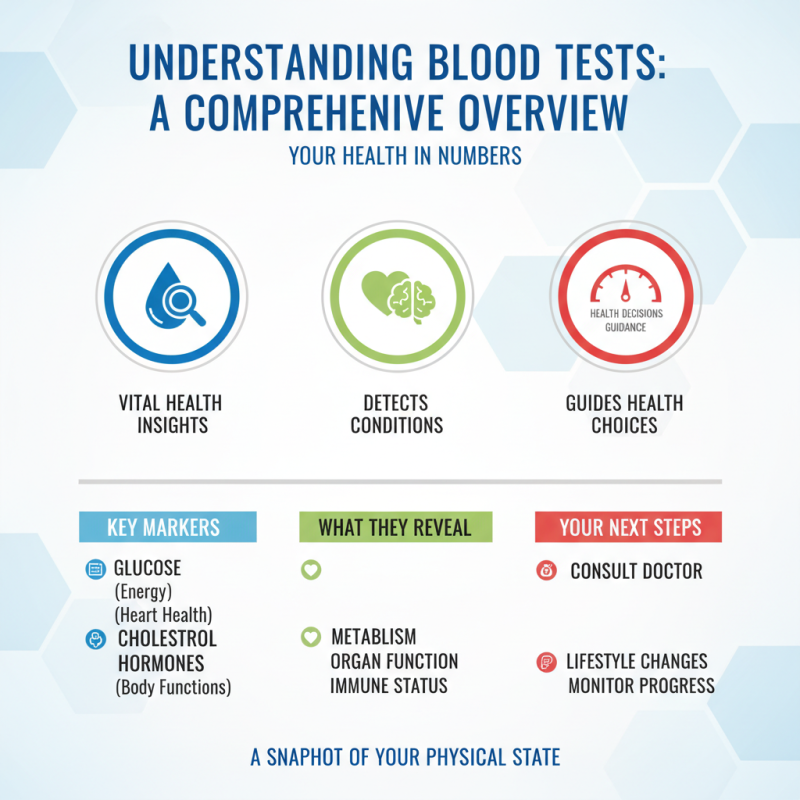
Blood tests are vital for understanding our overall health. They provide crucial insights into various conditions. These tests analyze components in our blood, offering a snapshot of our physical state. Healthy levels of glucose, cholesterol, and hormones are pivotal. A blood test reveals these numbers, guiding health decisions.

Many people overlook the significance of regular blood tests. They may feel healthy but miss underlying issues. For example, a simple test can detect anemia or thyroid problems. These conditions are not always visible without testing. Engaging with healthcare professionals helps us understand what results mean. This dialogue encourages informed choices about lifestyle and treatment.

Timing and frequency of blood tests matter. Annual screenings may suffice for some, while others might need more frequent tests, especially with family histories of diseases. This can seem overwhelming but is essential for prevention. Each blood test can help identify trends over time. Being proactive about health empowers us to take control and make informed choices.


Key Health Insights Revealed Through Blood Analysis

Blood tests provide critical health insights that can guide personal wellness. Analyzing blood samples reveals vital information about nutrient levels, hormone balances, and potential deficiencies. For instance, low levels of vitamin D can indicate possible health issues, prompting timely dietary changes or supplements.

Understanding blood markers helps identify underlying conditions early. Elevated cholesterol or glucose levels can signal risks for heart disease and diabetes. Regular testing can catch these problems before they escalate. Awareness of such risks empowers individuals to make informed lifestyle choices.

However, interpreting blood test results can be challenging. Some markers may fluctuate based on various factors, such as diet and stress. It’s essential to consult with healthcare professionals to gain a clearer picture. Relying solely on blood tests without context may lead to misunderstandings about one's health status. Therefore, ongoing education and professional guidance remain crucial in the journey towards better health.

Top 10 Benefits of Blood Tests for Health Insights

Benefit Description Key Health Insights
Early Disease Detection Identifies potential health issues before they become serious. Chronic conditions like diabetes or liver disease.
Monitoring Health Progress Tracks changes in your health over time through regular testing. Effectiveness of treatment plans and lifestyle changes.
Nutritional Insights Assesses levels of essential nutrients in the body. Deficiencies in vitamins and minerals.
Inflammation Detection Identifies markers of inflammation that could indicate disease. Autoimmune disorders and cardiovascular issues.
Kidney Function Monitoring Evaluates how well your kidneys are performing. Risk of kidney failure or chronic kidney disease.
Heart Health Assessment Measures cholesterol levels and other heart disease indicators. Risk levels for heart attack or stroke.
Hormone Balance Evaluation Checks levels of hormones affecting bodily functions. Thyroid function and reproductive health.
Blood Sugar Level Monitoring Assesses glucose levels to manage insulin and diabetes. Risk of diabetes-related complications.
Allergy Identification Tests for the presence of specific allergens in the body. Food allergies and environmental sensitivities.
Enhanced Preventive Care Encourages proactive rather than reactive healthcare strategies. Overall health maintenance and prevention plans.

Common Types of Blood Tests and Their Significance

Blood tests are vital tools for understanding health. They provide insights into various bodily functions. Each type of test can reveal critical information about your overall well-being. Common blood tests include complete blood count (CBC), metabolic panel, and lipid panel. A CBC helps identify anemia or infection. Meanwhile, metabolic panels assess organ function and electrolyte balance.

Lipid panels measure cholesterol levels, guiding heart health management. Understanding these tests can empower you to make informed decisions. For example, recognizing elevated cholesterol can prompt lifestyle changes. You can lower your risk of heart disease through diet and exercise.

Tips: Always communicate with your healthcare provider about your concerns. Ask questions regarding the significance of each test. Regular blood tests can catch issues early, leading to better outcomes. Tracking changes over time gives invaluable insights into your health journey.

Top 10 Benefits of Blood Tests for Health Insights

This chart illustrates the various benefits of blood tests, showcasing their significance in understanding health conditions and facilitating preventative care.

How Blood Tests Aid in Early Disease Detection and Prevention

Top 10 Benefits of Blood Tests for Health Insights?

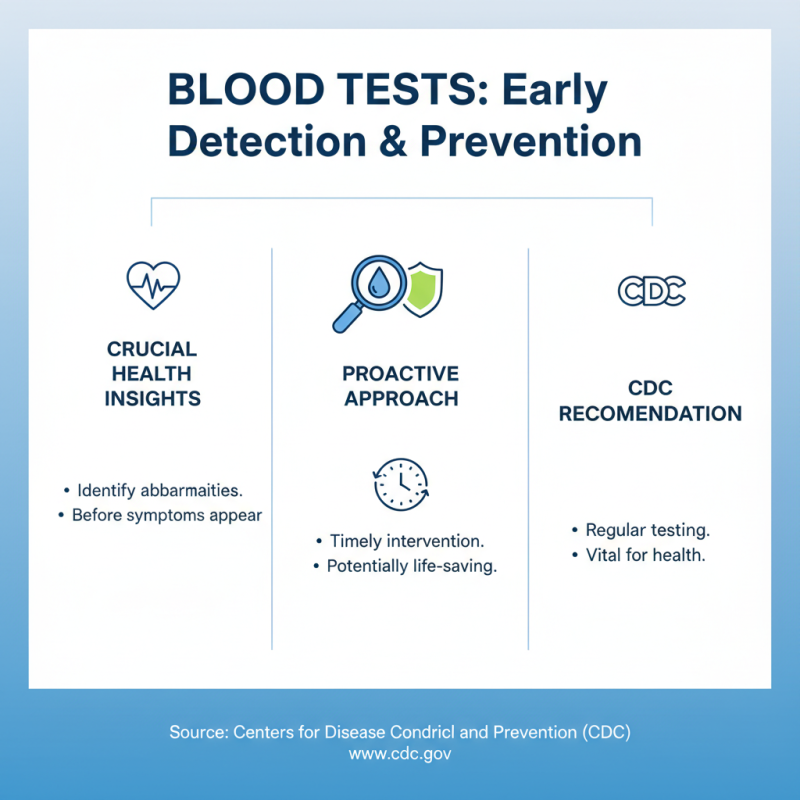
Blood tests offer crucial insights into our health, playing a vital role in early disease detection. According to the Centers for Disease Control and Prevention (CDC), regular blood testing can identify abnormalities before symptoms appear. This proactive approach can lead to timely intervention, potentially saving lives.

For instance, lipid panels measure cholesterol levels, helping assess cardiovascular risk. A study by the American Heart Association found that individuals who had regular lipid screenings were 60% more likely to manage heart disease effectively. Moreover, tests like complete blood counts (CBC) can reveal conditions such as anemia or infections. These results are critical. They prompt further examination and help in developing targeted treatment plans.

However, it’s essential to acknowledge that blood tests can sometimes yield false positives or negatives. Misinterpretations can lead to unnecessary anxiety or complacency. Educating patients about these limitations is important. Understanding the context behind the numbers promotes better health decisions. Regular consultations with healthcare professionals can enhance the reliability of blood test results, ensuring a more comprehensive view of one’s health.

Interpreting Blood Test Results for Improved Health Management

Understanding blood test results can transform your approach to health management. Each parameter in a blood test reveals valuable insights. For instance, elevated cholesterol levels can signal potential cardiovascular issues. Knowledge of these parameters helps tailor lifestyle choices effectively.

Interpreting results accurately is crucial. Many individuals overlook critical values due to lack of understanding. A high white blood cell count might indicate an infection, while low iron levels can suggest anemia. Such details are essential for proactive health measures. Without proper interpretation, health risks might remain unaddressed.

Access to expert guidance can enhance interpretation efforts. Healthcare professionals can clarify results and provide personalized advice. Engaging with them can uncover links between symptoms and test outcomes. This process often requires persistence. Some results might be puzzling at first glance. Gaining a clearer understanding can lead to better health outcomes and more informed choices.