Top 5 Best Blood Tests You Should Consider for Your Health?
In today's fast-paced world, health monitoring is crucial. Regular blood tests help track vital health metrics. According to the American Society for Clinical Laboratory Science, over 70% of clinical decisions are based on laboratory tests. This statistic underscores the importance of understanding which blood tests are essential for maintaining optimal health.
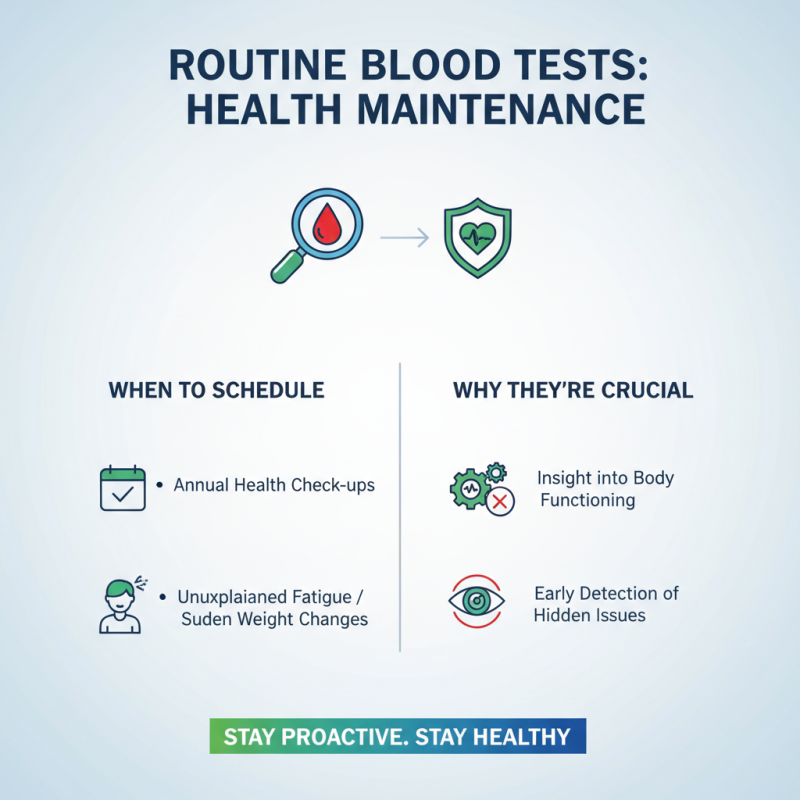
Performing routine blood tests can reveal underlying health issues before they escalate. For instance, lipid panels assess cholesterol levels, while complete blood counts gauge overall health. Identifying potential problems early can lead to proactive treatments. However, many people overlook the importance of these tests, often due to misinformation or fear of needles.
The right blood test can provide insights into dietary deficiencies, hormonal imbalances, and chronic diseases. Choosing the best blood tests requires careful consideration and professional guidance. It’s vital to consult with healthcare providers to tailor testing based on individual needs. Understanding these tests' significance can empower better health choices, ultimately improving life quality.

Understanding the Importance of Blood Tests for Overall Health
Blood tests play a crucial role in maintaining overall health. They provide insights into various bodily functions and help diagnose potential issues. According to the American Clinical Laboratory Association, over 70% of medical decisions involve lab tests. This statistic highlights the importance of regular blood assessments in preventive care.
Routine blood tests can detect conditions early, such as diabetes or kidney disease. A study published in "The Journal of American Medicine" indicates that early intervention can reduce complications by nearly 50%. Blood tests measure key health indicators, such as cholesterol and glucose levels. These metrics allow healthcare providers to create personalized health plans tailored to individual needs.
Additionally, many people overlook the significance of regular screenings. A National Health Survey revealed that nearly 50% of adults do not undergo basic blood tests frequently enough. This gap in health monitoring may lead to missed opportunities for early diagnosis. Recognizing patterns and seeking advice from medical professionals can empower individuals to take charge of their health. Each result can tell a story, pointing to necessary lifestyle changes or further examination.
Top 5 Best Blood Tests You Should Consider for Your Health
This chart illustrates the importance ratings of common blood tests that are crucial for monitoring overall health. Each test serves distinct purposes to assess various health aspects effectively.
Overview of Common Blood Tests and Their Purposes
Blood tests are vital for understanding your health. They provide insights into various bodily functions. Common tests include the Complete Blood Count (CBC), which evaluates red and white blood cells. Monitoring these levels can indicate infections or anemia.
Another imperative test is the Basic Metabolic Panel (BMP). This test checks glucose, calcium, and electrolytes. Imbalances can signal issues with kidney function or metabolic health. It's alarming how often people overlook this test.
Lipid panels are essential for gauging heart health. They measure cholesterol and triglycerides. High levels of bad cholesterol can lead to cardiovascular diseases. Many people remain unaware of their risk until a test reveals it.
Each test serves a purpose, but interpretation matters. A normal result doesn't guarantee perfect health. It's essential to discuss results with a healthcare professional. Regular testing can lead to early interventions. This proactive approach can help in managing chronic conditions effectively.
Top 5 Best Blood Tests You Should Consider for Your Health
| Test Name |
Purpose |
Frequency |
What It Measures |
| Complete Blood Count (CBC) |
Assess overall health and detect a variety of disorders. |
Annually or as advised. |
Red blood cells, white blood cells, hemoglobin, hematocrit, and platelets. |
| Lipid Panel |
Evaluate risk of heart disease. |
Every 4-6 years; more often if at risk. |
Cholesterol levels (HDL, LDL, total), triglycerides. |
| Basic Metabolic Panel (BMP) |
Monitor metabolism and chemical balance. |
Annually or when symptomatic. |
Blood glucose, calcium, electrolytes, kidney function. |
| Thyroid Function Tests |
Check for thyroid dysfunction. |
Every 5 years after age 35, or if symptomatic. |
TSH, T3, T4 levels. |
| Hemoglobin A1c |
Monitor blood sugar levels over time. |
Twice a year for diabetics, annually for others at risk. |
Average blood sugar levels over the past 2-3 months. |
Top 5 Blood Tests to Monitor Key Health Indicators
Monitoring your health through blood tests can provide crucial insights. Many people overlook this aspect of health management. Blood tests help identify potential issues before they become serious. Here are five essential tests you should consider.
The Complete Blood Count (CBC) is foundational. It evaluates your overall health. A CBC can detect conditions like anemia or infections. You might notice fatigue if your levels are off.
Lipid panels are another key test. They measure cholesterol and triglycerides. High levels can lead to heart disease. Pay attention to the numbers, as lifestyle changes can help.
Liver function tests assess liver health. Elevated levels can indicate damage or disease. If you consume alcohol, monitor these levels regularly.
Thyroid function tests are vital too. They check how well your thyroid works. Imbalances can cause fatigue or weight changes. Lastly, blood glucose tests provide insight into diabetes risk. Elevated glucose can signal early warning signs. Regular monitoring allows for timely intervention and lifestyle changes.
Interpreting Blood Test Results: What You Need to Know
Interpreting blood test results can feel overwhelming. Numbers and abbreviations fill the report, often causing confusion. Each value is a piece of your health puzzle. Understanding these pieces can help you make informed health decisions.
Common tests include complete blood counts and lipid panels. They tell you about red blood cells, cholesterol levels, and more. What do low white blood cell counts mean? They may indicate infection or bone marrow issues. High cholesterol can be a risk sign, but not always. Context matters.
Don’t hesitate to seek clarity from a healthcare provider. Questions are essential. Some results can be ambiguous or challenging. Regular monitoring can detect changes early. Relying on test results alone isn’t wise. Consider lifestyle factors. Are you eating well? Staying active? Self-reflection alongside results leads to a better understanding of your health.

 +86-18343147735
 Email
Email WhatsApp