Essential Tips for Understanding Your Hemoglobin Blood Test?
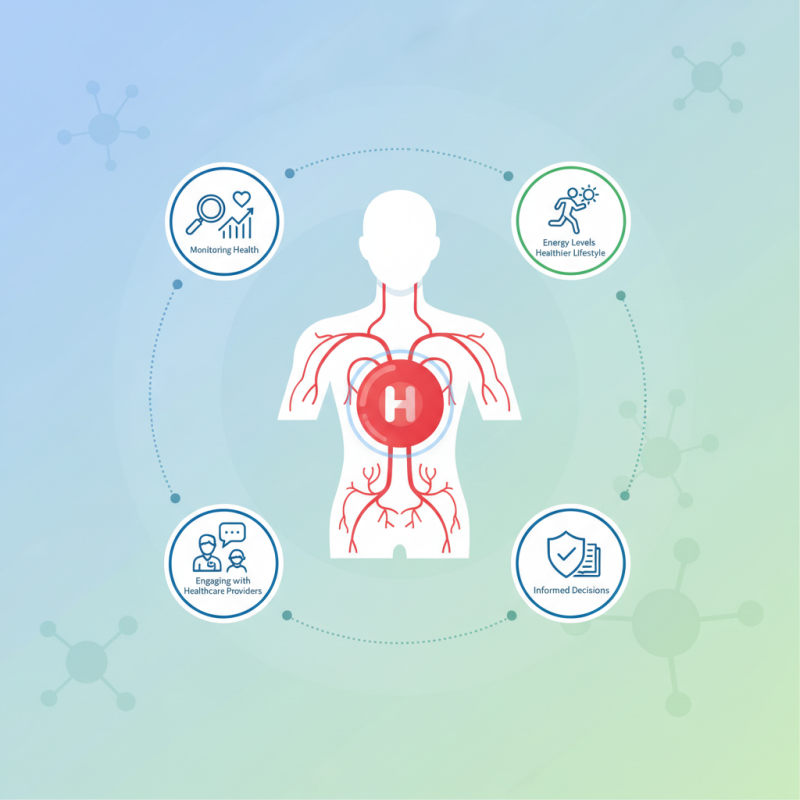
Understanding your Hemoglobin Blood Test is crucial for monitoring your health. Dr. Emily Carter, a leading hematologist, says, "Knowing your hemoglobin levels can be a window into your overall well-being." With this powerful insight, patients can take proactive steps towards a healthier lifestyle.
The Hemoglobin Blood Test reveals critical information about red blood cells. Whether it indicates anemia or other disorders, the results can impact treatment plans. Many patients often overlook the significance of this simple test. Yet, a single reading helps gauge energy levels and identify potential health issues.
Inadequate knowledge may lead to misinformation. Some may assume high levels are always good, which isn't true. By engaging with healthcare providers, patients can better understand their results. A well-informed patient is empowered to make important health decisions. This journey into understanding hemoglobin is essential for a balanced life.
What is Hemoglobin and Its Role in the Body?
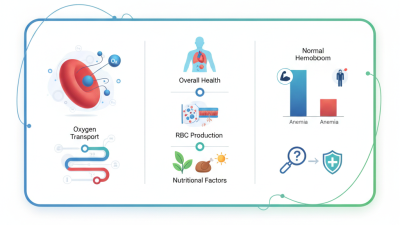
Hemoglobin is a vital protein found in red blood cells. It carries oxygen from the lungs to the rest of the body. An average adult has about 12 to 16 grams of hemoglobin per deciliter of blood. This protein not only transports oxygen but also helps remove carbon dioxide, a waste product of metabolism.
Low hemoglobin levels can indicate anemia. The World Health Organization reports that anemia affects a significant portion of the global population, particularly women and children. Symptoms can include fatigue, weakness, and shortness of breath. High levels can raise concerns too. Conditions like polycythemia vera can lead to increased blood viscosity, which might cause complications.
It's important to understand what your hemoglobin results mean. A low reading might suggest dietary deficiencies. Iron, vitamin B12, and folate are crucial for hemoglobin production. Yet, sometimes the body struggles to absorb these nutrients effectively. On the other hand, high levels may require lifestyle evaluations.
Lifestyle choices like smoking or dehydration can influence your results. Hence, a holistic view of health is crucial.
Understanding the Hemoglobin Blood Test: Purpose and Importance
Understanding the hemoglobin blood test is crucial. It provides insights into your overall health. Hemoglobin carries oxygen in the blood. A low hemoglobin level can signal anemia. Signs might include fatigue or weakness. Conversely, high levels may suggest dehydration or other issues.
Doctors often recommend this test during routine check-ups. However, many patients overlook its importance. Knowing your hemoglobin level helps assess various conditions. It can indicate respiratory or heart problems. Lack of awareness can lead to missed diagnoses.
Interpreting results isn't always straightforward. Normal levels vary based on factors, such as age and sex. Sometimes, results raise questions that need reflection. Is your diet sufficient? Are you feeling unusually tired? Such concerns warrant further discussion with your healthcare provider. This test is a step, not the whole journey.
Interpreting Hemoglobin Levels: Normal vs. Abnormal Results
Understanding hemoglobin levels is crucial for assessing overall health. Hemoglobin is the protein in red blood cells that carries oxygen.
Normal hemoglobin levels for adults typically range from 13.8 to 17.2 grams per deciliter for men, and 12.1 to 15.1 grams per deciliter for women.
Values outside this range can indicate various health issues.
Abnormally low hemoglobin levels may suggest anemia. It could make one feel sluggish or fatigued. Symptoms can vary widely, from feeling weak to experiencing dizziness.
On the contrary, high hemoglobin levels might indicate dehydration or lung disease.
Noticing these signs is essential for early detection. It’s vital to reflect on what your test results mean and consider your lifestyle.
Keeping a balanced diet and staying hydrated can play a significant role. Regular check-ups with a healthcare provider are also necessary to monitor any changes in hemoglobin levels.
Factors Affecting Hemoglobin Levels: Causes of Variations
Hemoglobin levels can vary due to numerous factors. One major influence is hydration. Dehydration can lead to concentrated blood, falsely raising levels. Conversely, overhydration can dilute hemoglobin and mask an underlying issue. Regular hydration is essential, but don’t dismiss signs of dehydration.
Diet plays a significant role too. Iron deficiency is common and can severely affect hemoglobin. Consuming iron-rich foods like spinach and legumes can boost levels. However, absorption depends on other nutrients. Vitamin C enhances iron uptake, while calcium can inhibit it. Pay attention to your food combinations.
Underlying health conditions can complicate interpretations. Chronic diseases, infections, or bone marrow disorders may lower hemoglobin levels. Even altitude plays a part. Living in high-altitude areas can increase hemoglobin as the body adapts to lower oxygen levels. Reflect on where you live and your overall health. These factors create a complex interplay affecting hemoglobin, requiring careful consideration for accurate assessment.
Understanding Hemoglobin Levels: Factors Affecting Variations
Next Steps After Receiving Your Hemoglobin Test Results
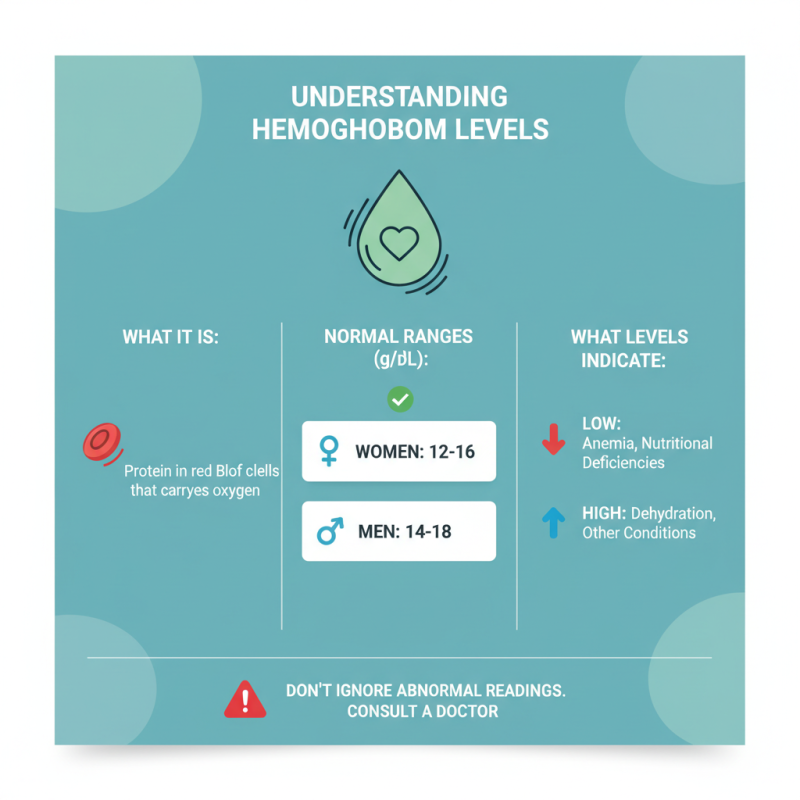
Receiving your hemoglobin test results can be daunting. Hemoglobin levels reveal much about your overall health. Normal ranges typically fall between 12-16 grams per deciliter for women and 14-18 grams for men. Understanding where you stand is critical. Low hemoglobin could hint at anemia, while high levels might suggest dehydration or other conditions. Don't ignore abnormal readings.
If your results fall outside the normal range, consider your next steps. Consult a healthcare provider to discuss the implications. Consider factors like diet and lifestyle. For instance, iron-rich foods can improve low hemoglobin. Foods like spinach, lentils, and red meat are beneficial. However, dietary changes may take time to reflect in test results. Patients often overlook these aspects.
Monitor your symptoms closely. Fatigue, weakness, and pale skin can signal low levels. High hemoglobin can lead to complications, including cardiovascular issues. Track any changes you experience after dietary adjustments or treatments. Reflection on your health routines can provide insight. Understanding your results is the first step toward better health.

 +86-18343147735
 Email
Email WhatsApp