Top Tips for Understanding Your Hemoglobin Blood Test Results
Understanding your Hemoglobin Blood Test results is essential for evaluating your overall health and diagnosing various medical conditions. Hemoglobin, a significant protein in red blood cells, is crucial for transporting oxygen throughout the body, and its levels can provide valuable insights into a person's well-being. According to the latest report from the National Heart, Lung, and Blood Institute, abnormal hemoglobin levels can signal issues ranging from anemia to chronic diseases, underscoring the importance of accurate interpretation.
Dr. Emily Roberts, a leading hematologist, emphasizes, "The Hemoglobin Blood Test is not just a diagnostic tool; it is a vital indicator of the body's oxygen delivery system." With the growing emphasis on preventive healthcare, understanding the nuances of this test can help individuals take proactive steps in managing their health. In fact, the World Health Organization estimates that anemia affects approximately 1.62 billion people worldwide, illustrating the global relevance of monitoring hemoglobin levels.
By deciphering your Hemoglobin Blood Test results, you can better comprehend your health status and engage in informed discussions with your healthcare provider. In the following sections, we will delve into the key factors that influence hemoglobin levels, common conditions associated with abnormal results, and tips for interpreting these essential blood test outcomes.

What is Hemoglobin and Its Role in the Body?
Hemoglobin is a vital protein found in red blood cells that plays a pivotal role in transporting oxygen from the lungs to the rest of the body. Composed of four subunits, hemoglobin binds oxygen molecules effectively due to its iron content, allowing it to deliver the necessary oxygen needed for cellular metabolism and energy production.
According to the World Health Organization (WHO), approximately 1.62 billion people worldwide suffer from anemia, a condition often linked to low hemoglobin levels, highlighting hemoglobin's importance in overall health and the body's physiological processes.
In addition to oxygen transport, hemoglobin also facilitates the removal of carbon dioxide, a metabolic waste product, from tissues back to the lungs for exhalation. Abnormal hemoglobin levels can indicate various health conditions; for instance, low levels may suggest anemia, blood loss, or nutritional deficiencies, while elevated levels could indicate polycythemia vera or chronic lung diseases.
Regular monitoring of hemoglobin levels is crucial, as they can serve as an essential indicator of cardiovascular health and systemic oxygenation. The Centers for Disease Control and Prevention (CDC) recommends routine blood tests to assess hemoglobin levels, particularly for at-risk populations, demonstrating its significance in preventive healthcare strategies.
Understanding the Hemoglobin Blood Test: Purpose and Procedure
A hemoglobin blood test is a crucial diagnostic tool that measures the amount of hemoglobin in your blood, which is vital for transporting oxygen throughout the body. The procedure is straightforward: a healthcare professional collects a blood sample, typically from a vein in the arm. This sample is then analyzed in a laboratory to determine hemoglobin levels, which are expressed in grams per deciliter (g/dL). According to the World Health Organization, normal hemoglobin levels generally range from 13.5 to 17.5 g/dL for men and 12.0 to 15.5 g/dL for women, although these figures may vary based on several factors, including age and altitude.
Understanding the results of your hemoglobin test can provide significant insights into your overall health. For instance, low hemoglobin levels may indicate conditions such as anemia, which affects approximately 25% of the global population, particularly in developing countries. High hemoglobin levels can suggest conditions like polycythemia vera, a rare blood disorder. Other causes for altered hemoglobin levels may include chronic diseases, nutritional deficiencies, or environmental factors such as smoking. Taking a proactive approach by discussing your results with your healthcare provider can help ensure proper management and understanding of any underlying health issues.
Top Tips for Understanding Your Hemoglobin Blood Test Results
| Dimension |
Explanation |
Normal Range |
What Low Levels Mean |
What High Levels Mean |
| Hemoglobin Level |
The amount of hemoglobin in your blood, a protein that carries oxygen. |
Men: 13.5 - 17.5 g/dL
Women: 12.0 - 16.0 g/dL |
Anemia, nutritional deficiencies, chronic diseases. |
Dehydration, lung diseases, high altitude exposure. |
| Complete Blood Count (CBC) |
A test that includes hemoglobin levels among other parameters. |
Varies by age and sex; consult your doctor. |
Possible condensation of blood pressure. |
Indicates polycythemia or other health issues. |
| Erythrocyte Index |
A measure of the size and volume of red blood cells. |
Normal values range: MCV 80-100 fL |
Iron deficiency or thalassemia. |
Vitamin B12 deficiency or liver disease. |
| Reticulocyte Count |
A measure of young red blood cells in the blood. |
0.5% - 1.5% of total red blood cells |
Low production of red blood cells. |
High production due to bleeding or hemolysis. |
Interpreting Normal vs. Abnormal Hemoglobin Levels
Understanding your hemoglobin blood test results can be crucial for gauging your overall health. Hemoglobin is a protein in red blood cells responsible for transporting oxygen throughout your body. Interpreting your hemoglobin levels involves recognizing the difference between normal and abnormal ranges. Typically, normal hemoglobin levels vary slightly based on age and sex, with general ranges being approximately 13.5 to 17.5 grams per deciliter for men and 12.0 to 15.5 grams per deciliter for women. If your results fall outside of these ranges, it may indicate a potential health issue.
Tip 1: Always consult with your healthcare provider to understand the context of your results. They can provide insights based on your medical history and any symptoms you may be experiencing, which is essential for an accurate interpretation.
Tip 2: Be aware of factors that can affect hemoglobin levels, such as hydration status, recent blood loss, or underlying medical conditions like anemia. Monitoring other related tests can provide a more comprehensive view of your health.
Tip 3: Consider keeping a record of your hemoglobin levels over time. This can help in spotting trends and understanding how your levels fluctuate, which can be invaluable information for your healthcare provider to tailor your care effectively.
Understanding Hemoglobin Levels
This chart displays the different classifications of hemoglobin levels based on the severity of anemia. Normal hemoglobin levels range from 13.5 g/dL, while mild, moderate, and severe anemia are represented by progressively lower levels.
Common Factors Influencing Hemoglobin Test Results
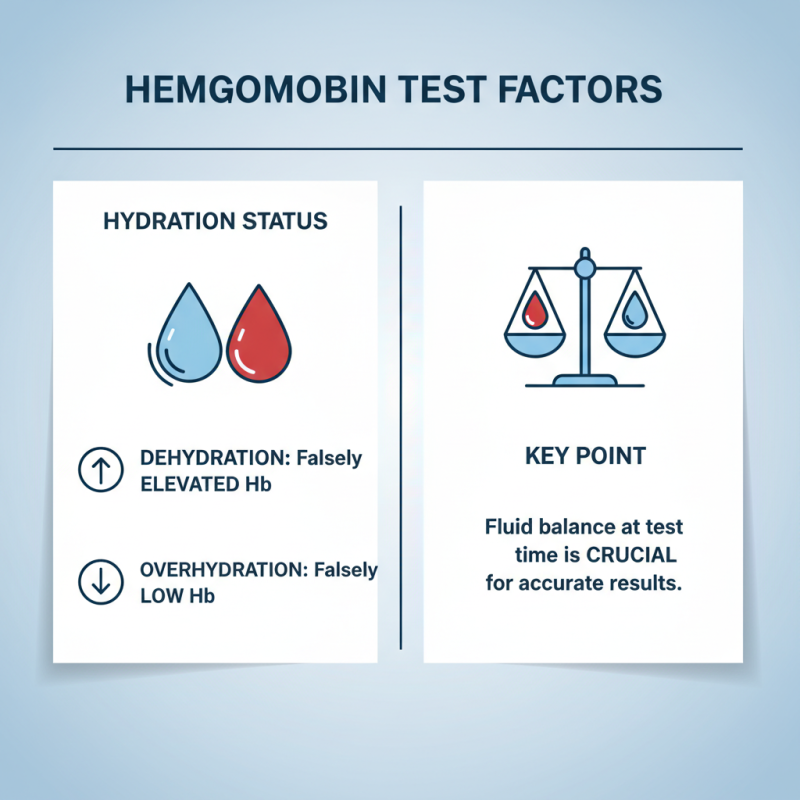
Several factors can significantly influence the results of a hemoglobin blood test, making it essential to understand these variables for accurate interpretation. One of the primary factors is hydration status. Dehydration can lead to a falsely elevated hemoglobin level, while overhydration may result in a lower reading. Therefore, the fluid balance of an individual at the time of the test can skew the results, making it vital to consider hydration when evaluating hemoglobin levels.
Another important influence is altitude. People living at higher altitudes often have higher hemoglobin levels because the body compensates for lower oxygen availability by producing more red blood cells. Additionally, certain medical conditions, such as chronic obstructive pulmonary disease (COPD) or heart disease, can also affect hemoglobin levels. These conditions may lead to an increase in hemoglobin as the body tries to ensure adequate oxygen delivery to tissues. Understanding these factors is crucial for anyone interpreting hemoglobin test results, as they play a significant role in defining the health status of an individual.
Next Steps After Receiving Your Hemoglobin Test Results
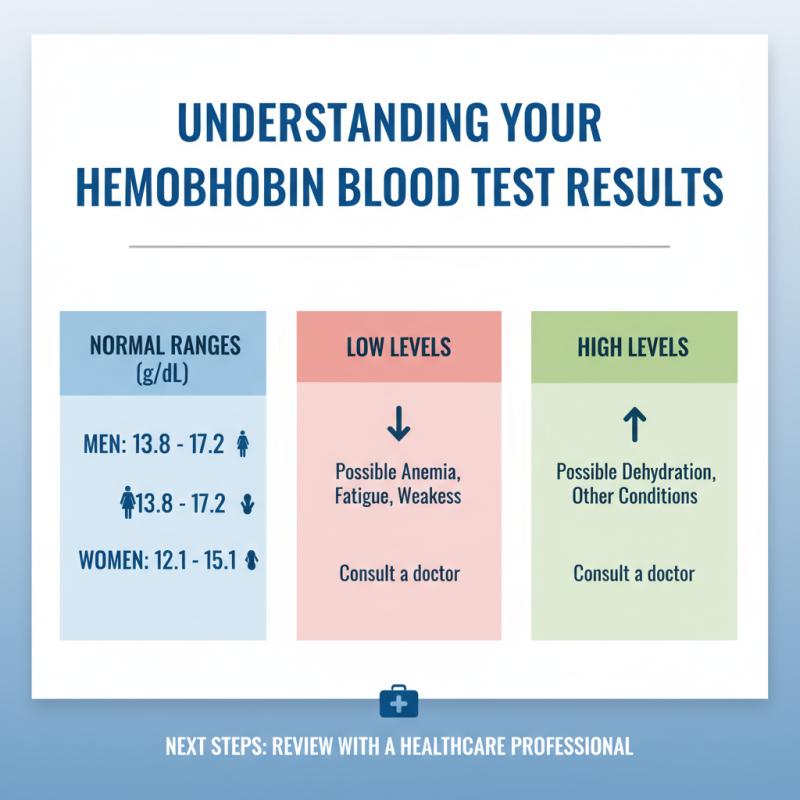
After receiving your hemoglobin blood test results, it’s crucial to understand what the numbers mean and the next steps to take based on those results. Hemoglobin levels are typically measured in grams per deciliter (g/dL), and normal ranges can vary, but generally, for men, normal levels range from 13.8 to 17.2 g/dL and for women, from 12.1 to 15.1 g/dL. Abnormal results can indicate various conditions, with low levels often associated with anemia, while high levels may suggest dehydration or other health issues.
Once you have your results, it’s important to consult with a healthcare professional who can interpret the values in the context of your overall health. If your hemoglobin level is low, you may need further tests to determine the underlying cause, which could include nutritional deficiencies, chronic diseases, or bone marrow problems. For instance, a report from the World Health Organization indicates that nearly 1.62 billion people are affected by anemia globally, highlighting the importance of timely intervention and management. Conversely, elevated hemoglobin levels may require lifestyle adjustments or further diagnostic tests to rule out conditions like polycythemia vera or heart disease.
In any case, don't hesitate to ask your healthcare provider about dietary changes, supplements, or lifestyle modifications you can make after receiving your test results. They may suggest increasing your intake of iron-rich foods or incorporating more vitamin C to enhance iron absorption, depending on your specific condition. Healthcare professionals often emphasize that understanding your hemoglobin levels and taking appropriate actions can significantly impact your overall health and well-being.

 +86-18343147735
 Email
Email WhatsApp