2026 How to Prepare for Your Fbs Blood Test Effectively?
Preparing for an Fbs Blood Test can be essential for your health management. This test measures your blood sugar levels after fasting, which helps assess your risk for diabetes. Knowing how to prepare effectively can make a difference in the accuracy of your results.
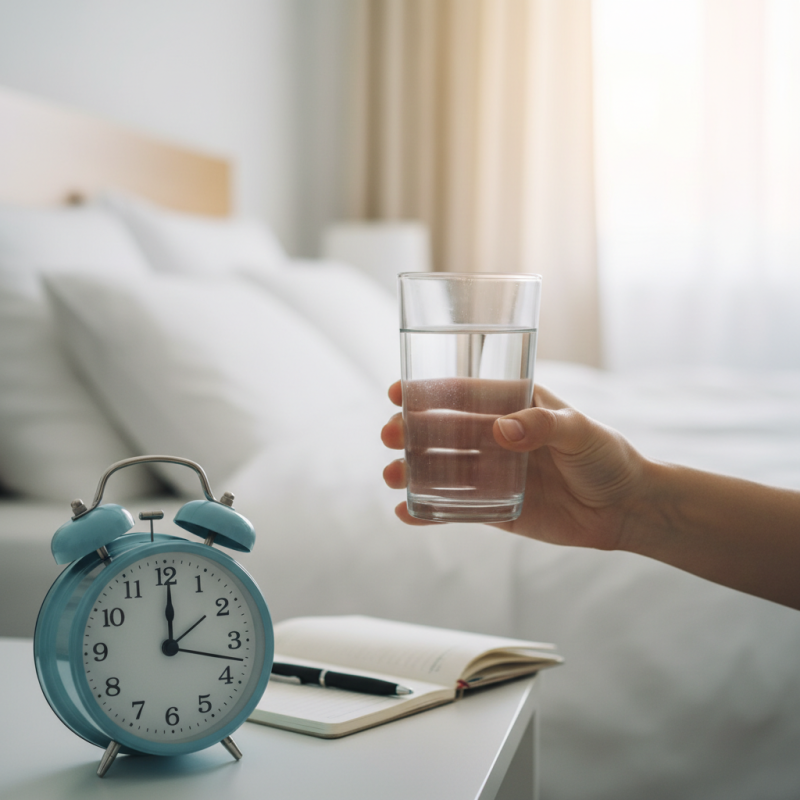
Many people overlook the importance of fasting before the Fbs Blood Test. Missing this step can lead to misleading results. It’s advised to fast for at least 8 to 12 hours before the test. Water is usually allowed, but any food or drink can affect outcomes. Some may struggle with fasting, feeling hungry or anxious.
Consider your routine leading up to the test. A calm night’s sleep can aid preparation. Avoid caffeine and alcohol, as they might interfere with results. Gathering information about what to expect can also ease your mind. Taking these measures can guide you towards an accurate Fbs Blood Test outcome, promoting better health insights.
Understanding Fasting Blood Sugar (FBS) Testing Fundamentals
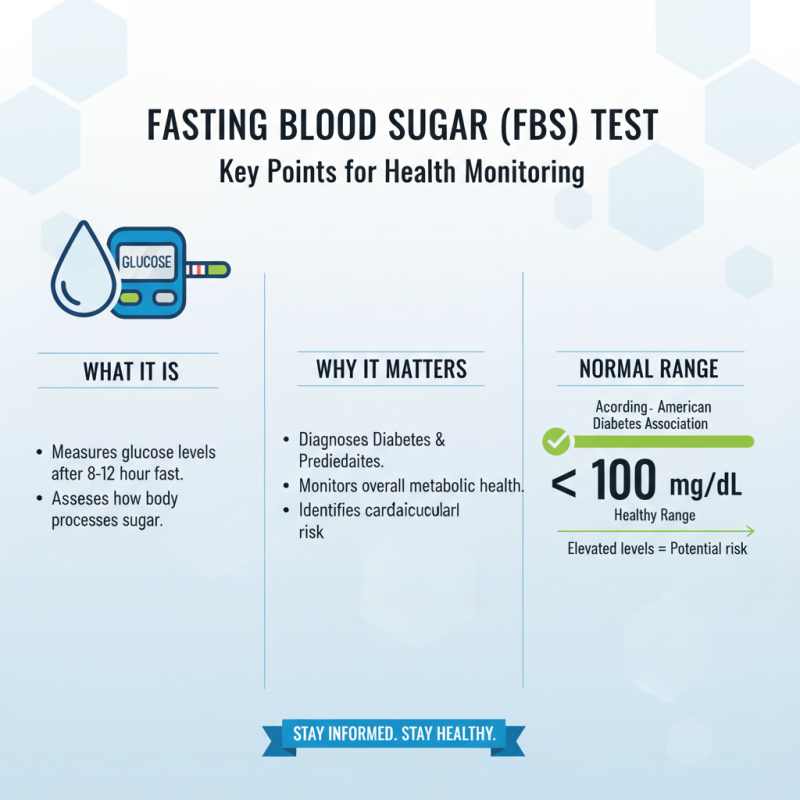
Fasting blood sugar (FBS) tests are essential for assessing glucose levels. These tests help diagnose diabetes and monitor overall health. According to the American Diabetes Association, maintaining a fasting blood sugar level below 100 mg/dL is considered normal. Elevated levels indicate potential health risks.
Preparation for an FBS test requires specific actions. Avoid food for at least 8 hours prior to the test. Water is generally allowed but can still affect results if consumed in excess. Stress and illness may also skew results, leading to higher readings. It's vital to ensure you're in good health before testing.
Understanding your results is necessary. A level between 100-125 mg/dL suggests prediabetes. A reading of 126 mg/dL or more on two separate occasions is indicative of diabetes. Ignoring health recommendations can lead to serious complications. Engaging in a healthy lifestyle is crucial for managing blood sugar levels.
Importance of FBS Blood Test for Health Monitoring
The FBS blood test, or fasting blood sugar test, is crucial for health monitoring. It helps in identifying blood sugar levels when the body is in a fasting state. A high reading may indicate potential diabetes or other health challenges. Regular testing can lead to early intervention, improving overall health outcomes.
Many people overlook the importance of tracking their blood sugar. It’s easy to assume health is fine without testing. However, not knowing your levels can be risky. Elevated levels can go unnoticed until serious complications arise. Keeping a log of your results is essential for noticing trends over time. It can reveal how your body responds to different foods and activities.
Preparing for this test requires discipline. Skipping meals the night before is not always easy. It’s common to feel hungry and anxious. Some may struggle to remember their last meal. It’s important to reflect on eating habits to ensure accurate results. Only then can we face our health with honesty and awareness.
Pre-Test Preparations: Dietary Considerations and Timing
Preparing for your Fbs blood test involves a few dietary considerations and timing that can make a significant difference in your results. It's essential to fast for at least 8 hours before the test. This means no food or drink other than water. This fasting period helps ensure accurate measurements of your blood sugar levels.
Diet plays a key role in these preparations. Avoid high-sugar foods and drinks the day before your test. These items can elevate blood glucose levels and skew your results. Stick to balanced meals with lean proteins and vegetables. Drinking plenty of water is crucial. It keeps you hydrated for the test.
Tips: Remember to plan your meal the day before. Pack healthy snacks if you anticipate hunger. Don’t skip meals leading up to the test, as it may lead to inaccurate readings. Lastly, try to manage stress before your test day; find ways to relax. Keeping anxiety at bay can help you avoid unexpected fluctuations in your blood sugar levels.
Common Mistakes to Avoid Before the FBS Blood Test
Preparing for a fasting blood sugar (FBS) test requires careful planning. Many people mistakenly eat or drink before the test. This can lead to inaccurate results. It's crucial to fast for at least 8-12 hours. Water is usually fine, but other beverages can interfere. Keep this in mind as you prepare.
Another common mistake is ignoring medication guidelines. Some medications can affect blood sugar levels. Always consult with your healthcare provider about what to do with your medications before the test. Don't skip important conversations just because you're unsure. It's better to be clear about your situation.
Inadequate preparation like not getting enough rest can also affect test outcomes. Stress and lack of sleep can spike blood sugar levels. Make sure to rest the night before and manage stress levels. Reflect on your habits leading up to the test. Make adjustments if necessary for more reliable results. Taking these steps can make a significant difference in your FBS test outcomes.
FBS Blood Test Preparation: Common Mistakes to Avoid
What to Expect During and After the FBS Blood Test
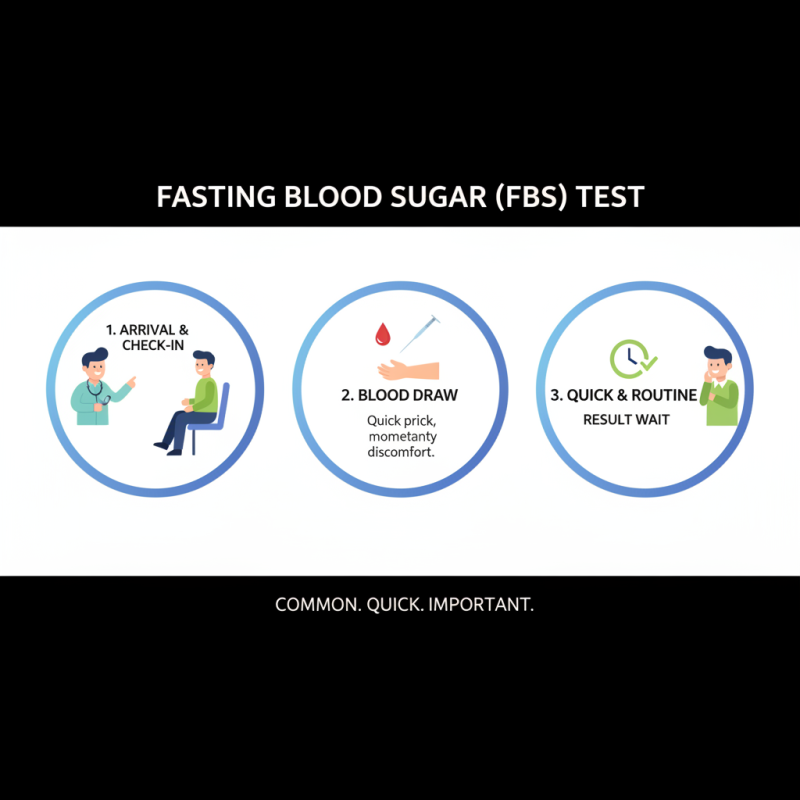
When you arrive for the fasting blood sugar (FBS) test, you may feel a bit anxious. It’s a common reaction. After checking in, a technician will call you. They will guide you to a private area for the test. Expect a small needle prick to draw blood. This can feel uncomfortable, but it usually lasts just a moment. You might see a little blood during the process. It’s perfectly normal.
Post-test, you may feel a little lightheaded. Drink some water or have a light snack if you can. This is especially important if you fasted longer than expected. Sometimes, waiting in a calm space helps. You might notice your heart racing or mild dizziness. These sensations can happen, but they usually pass quickly. If they persist, inform the staff. It’s essential to feel safe and comfortable during the process. Remember, your health is the priority.

 +86-18343147735
 Email
Email WhatsApp