2026 How to Prepare for Blood Tests for Accurate Results?
Preparing for blood tests is essential for accurate results. Understanding how to get ready can make a significant difference. Many people overlook the details when it comes to blood for test. This often leads to misleading outcomes.
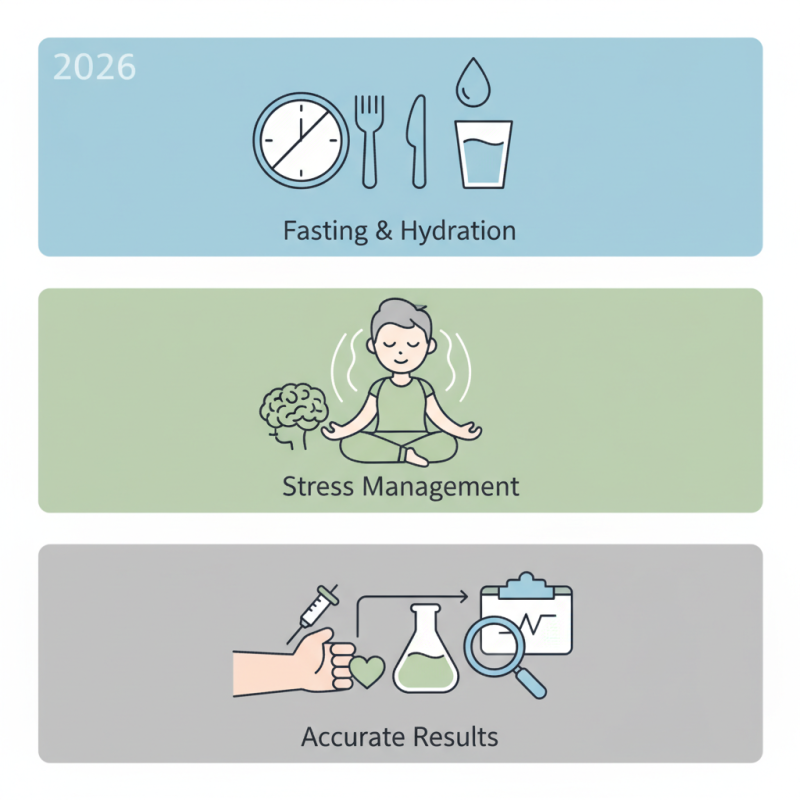
Fasting is necessary for some tests. If required, be sure to abstain from food and drink for the specified time. This is crucial for lipid panels and glucose tests. Hydration is also vital. Drinking water keeps veins accessible and can ease the process.
Lastly, managing stress is important. Worrying about the procedure may affect your results. Take a moment to breathe and relax before your appointment. Prepare with care, and your blood for test will yield more reliable insights into your health.
Understanding Different Types of Blood Tests and Their Purposes
Blood tests play a crucial role in diagnosing various health conditions. They measure many components, such as glucose levels, cholesterol, and hormones. Each type of blood test serves a unique purpose. For example, a complete blood count (CBC) assesses overall health and detects disorders like anemia or infection.
When preparing for blood tests, understanding is essential. Fasting might be required for certain tests to ensure accurate results. This can feel uncomfortable, especially if you’re used to eating or drinking regularly. Other tests, like the lipid panel, can provide insights into heart health. It’s vital to know which test is being conducted to follow any specific instructions.
You might feel anxious about needles, and that's normal. It can be helpful to talk to your healthcare provider about your feelings. Taking deep breaths may alleviate some of the tension as you prepare. Remember that preparation varies by test type, and being informed can help you manage the experience better.
Timing Your Blood Test: When to Schedule for Optimal Accuracy
When preparing for blood tests, timing can make a significant difference. It’s crucial to choose the right moment for your appointment. Many tests require fasting, which means no food or drink for several hours beforehand. Scheduling your test in the morning can be a smart approach, especially for lipid profiles, glucose levels, and other metabolic panels.
**Tips:** Drink water before the test. Staying hydrated helps your veins be more visible. Avoid strenuous exercises the day before. Stress can alter some results. Don't forget to check your doctor's recommendations. They might have specific instructions based on your health.
Consider your medications too. Some may need to be paused for accurate results. Timing your intake can affect test outcomes, so communicate with your healthcare provider. Keep in mind that not all tests are the same. Some require specific conditions.
**Tips:** Plan accordingly if you require multiple tests. Discuss with your doctor if you are feeling unwell. Illness can impact results. Write down your questions and concerns before the appointment to ensure nothing is overlooked. Being prepared is essential, but sometimes things don’t go as planned. Exhibit patience; accurate results are worth it.
Preparing for Fasting Blood Tests: Guidelines and Recommendations
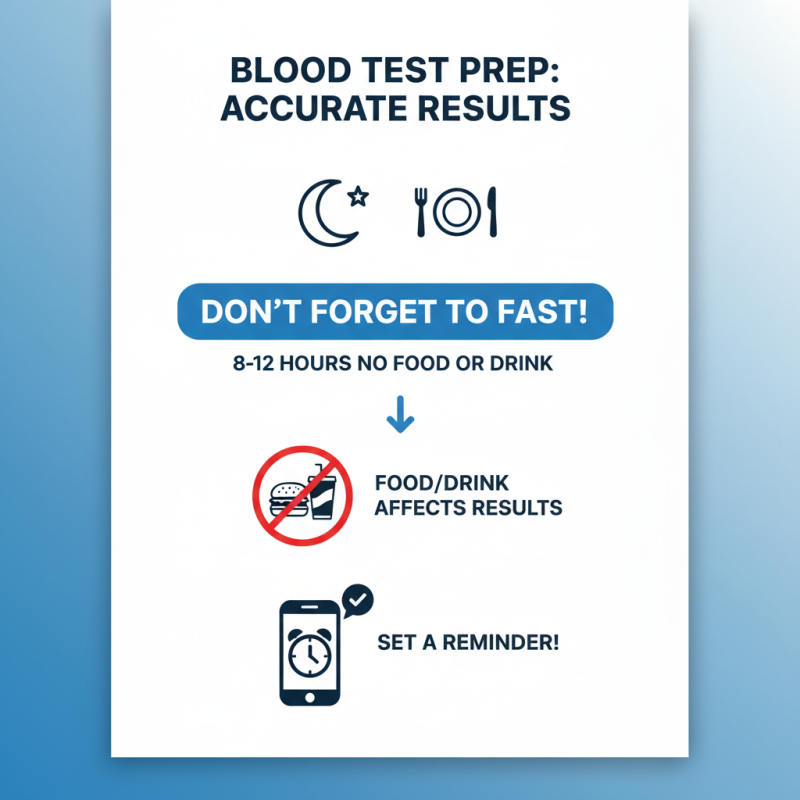
Fasting blood tests are crucial for accurate health assessments. Preparing properly increases the chances of reliable results. Usually, a fasting period of 8 to 12 hours is required before the test. This means no food or drinks, except for water. It's easy to forget, though. Early morning appointments can help.
Ensure you stay hydrated during the fasting period. Drinking water is encouraged and won’t affect your test results. If you have medications, check with your doctor about taking them on an empty stomach. Skipping meals can be tricky, especially for those who usually have breakfast. Set reminders for the night before, ensuring a smooth morning.
Post-test, you might feel light-headed or tired. That’s normal, but don’t rush to eat junk afterward. Opt for something nutritious instead. Reflect on how preparation affects your health journey. Poor preparation can lead to rescheduled tests, causing frustration and anxiety. It’s a learning opportunity. Mistakes happen, but each test can bring valuable insights.
2026 How to Prepare for Blood Tests for Accurate Results
The following chart displays the average fasting time before blood tests and its correlation with the accuracy of results. A longer fasting period generally leads to more accurate outcomes for various types of blood tests.
Hydration and Its Role in Blood Test Results Accuracy
Hydration plays a crucial role in achieving accurate blood test results. Studies indicate that proper hydration can influence the concentration of blood components. For example, low hydration can lead to hemoconcentration, which may skew results. A report from the National Institute of Health suggests that an optimal level of hydration can significantly enhance test accuracy.
Drinking water before a blood test can dilute certain analytes. This helps in obtaining a more representative sample. Yet, many people overlook this simple step. It's easy to forget that dehydration can affect liver enzymes and kidney function markers. Inadequate fluid intake may not seem vital, but it affects overall health.
Aiming for at least eight glasses of water daily is a common guideline. However, individuals should consider their own needs. Overhydration, though rare, can also pose problems, diluting essential substances like electrolytes. The bottom line is simple: pay attention to your hydration status before a blood test. Small adjustments can lead to vastly improved results. Every detail matters in the pursuit of accurate health assessments.
2026 How to Prepare for Blood Tests for Accurate Results
| Hydration Level |
Impact on Test Types |
Recommended Hydration |
Timing Before Test |
Notes |
| Low Hydration |
May lead to concentrated blood samples; affects electrolyte tests |
At least 8 glasses (2L) daily |
24 hours before test |
Refrain from caffeine and alcohol |
| Moderate Hydration |
Generally acceptable but still could impact results slightly |
6-8 glasses (1.5-2L) daily |
12-24 hours before test |
Ensure to test fasting as required |
| Optimal Hydration |
Provides balance; ideal for most tests |
8-10 glasses (2-2.5L) daily |
Hydrate well the night before |
Consult with healthcare provider for specific needs |
| Overhydration |
May dilute certain blood components; alter test results |
Avoid excessive fluid intake |
Limit intake before the test |
Monitor symptoms of overhydration |
Common Mistakes to Avoid Before Taking a Blood Test
When preparing for blood tests, avoiding common mistakes is crucial for accurate results. Many people overlook fasting requirements. Fasting means no food or drink for 8-12 hours before the test. If you eat or drink, that can affect test findings. It’s easy to forget, so set a reminder.
Timing is vital. Some tests require morning appointments. If you arrive too late, results may be skewed. Being punctual ensures you get the correct data. Also, consider your activity level. Strenuous exercise can alter certain markers. A peaceful night’s sleep before your test is beneficial.
Hydration is essential but can be tricky. Drink enough water to stay hydrated. However, avoid excessive or flavored drinks. Caffeine or alcohol can impact results, so steer clear. Overall, small details matter. Reflect on your habits before the test. Your preparation can directly influence the accuracy of your results.

 +86-18343147735
 Email
Email WhatsApp