What You Need to Know About Lipid Panel Test Results?
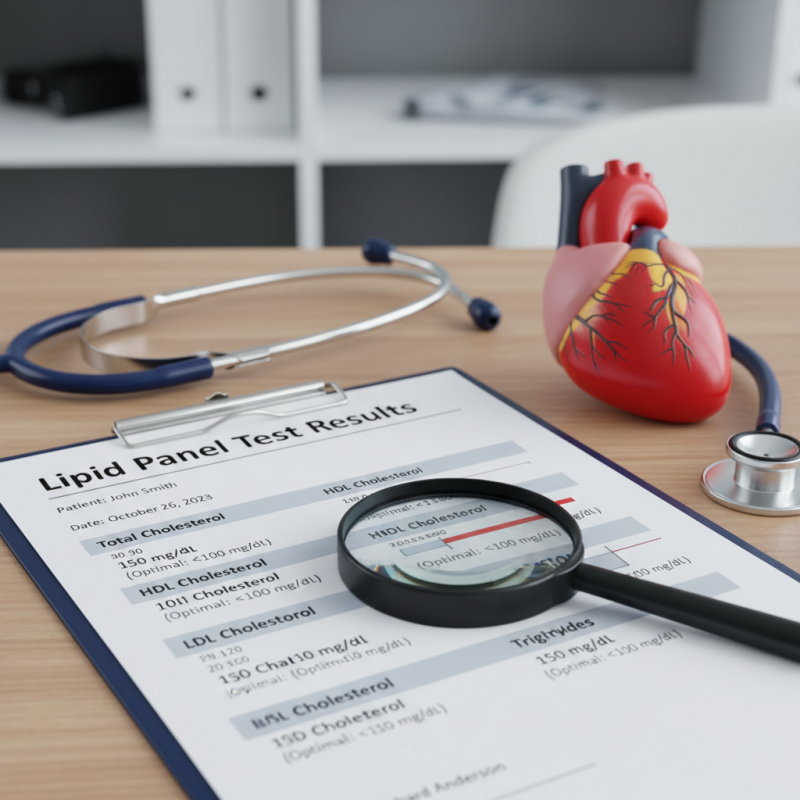
When it comes to understanding your health, the Lipid Panel Test plays a crucial role. Dr. Richard Anderson, a leading cardiologist, emphasizes, "Monitoring your lipid levels can reveal hidden risks." This test measures cholesterol and triglycerides in your blood. Results offer insight into your cardiovascular health and potential issues.
Interpreting lipid panel results is not always straightforward. Many people feel confused by numbers and medical jargon. Low-density lipoprotein (LDL) is often dubbed "bad" cholesterol, while high-density lipoprotein (HDL) is the “good” cholesterol. It's essential to know what these levels mean for your health.
It's easy to overlook the importance of regular testing. Many believe they’re healthy without understanding their lipid panel results. This oversight can lead to health issues down the line. A normal result today doesn't always mean you're safe tomorrow. Regular testing can help you make informed lifestyle choices and keep track of your heart health.
Understanding the Lipid Panel: Key Components and Their Significance
A lipid panel is a blood test that measures fats in your bloodstream. It provides crucial insights into your heart health. Understanding its key components is essential.
The main components include total cholesterol, LDL cholesterol, HDL cholesterol, and triglycerides. Total cholesterol represents the overall fat levels. LDL is the "bad" cholesterol, while HDL is the "good" type. Elevated levels of LDL can increase heart disease risk, whereas high HDL is protective. Triglycerides indicate how well your body processes fats.
Tips: Maintain a balanced diet. Include healthy fats from fish and nuts. Exercise regularly to boost HDL levels. Monitor your lipid levels yearly to catch any issues early.
Not all lipid panels are perfect. Results can vary based on diet and activity before the test. It's important to reflect on your lifestyle choices. Small changes, like cutting down on sugars, can have a big impact. Pay attention to these numbers. They tell a story about your health.
Interpreting Total Cholesterol Levels: What Do They Indicate?
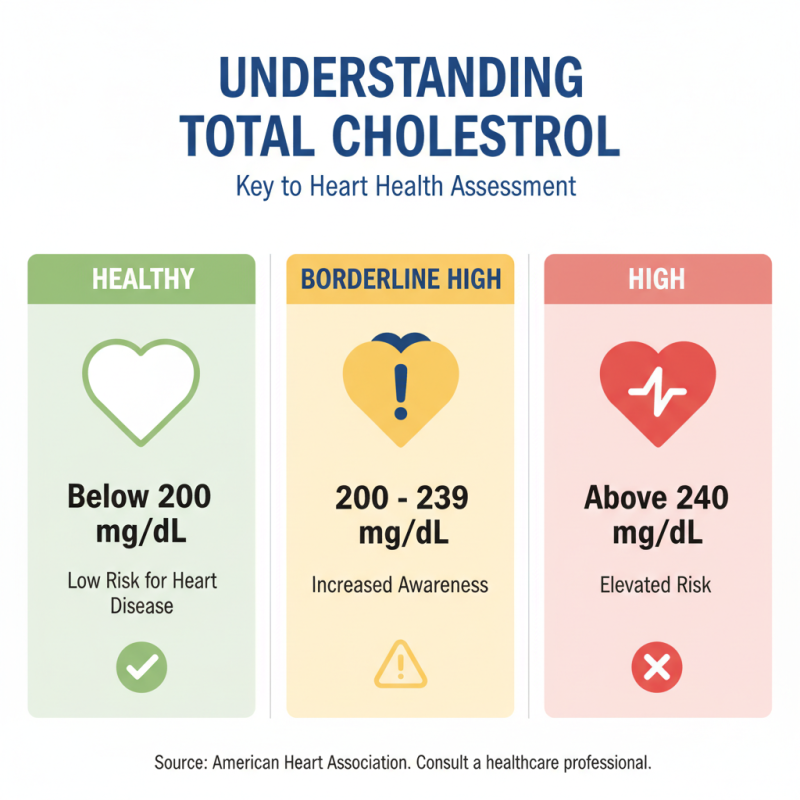
Total cholesterol levels play a significant role in assessing heart health. In a lipid panel, the total cholesterol number includes different types of cholesterol. This is crucial for understanding the risk of heart disease. Healthy cholesterol levels are typically below 200 mg/dL. Levels between 200 and 239 mg/dL are borderline high. Anything above 240 mg/dL is considered high.
Understanding your cholesterol numbers can be confusing. High total cholesterol may suggest an increased risk of cardiovascular issues. However, not all cholesterol is bad. HDL, or "good" cholesterol, helps remove LDL, the "bad" type. The balance between these two types matters most. Sometimes, even with a high total cholesterol, the risk may be low if HDL is high.
Tips: Regular exercise can boost HDL levels. A balanced diet rich in fruits and vegetables is beneficial. Limit saturated fats and trans fats. Monitor your cholesterol regularly and discuss any changes with your healthcare provider. Remember, it’s important to look at these numbers holistically and not just focus on the total.
HDL and LDL Cholesterol: The Good vs. The Bad in Your Lipid Profile
Understanding your lipid panel test results is crucial.
HDL and LDL cholesterol are two key players in your lipid profile.
HDL, or high-density lipoprotein, is often referred to as “good” cholesterol.
It helps transport cholesterol to the liver for elimination.
Elevated HDL levels can possibly lower the risk of heart disease.
The American Heart Association recommends aiming for an HDL level above 60 mg/dL.
In contrast, LDL, or low-density lipoprotein, is known as “bad” cholesterol.
High LDL levels can lead to plaque buildup in arteries, increasing the risk of heart attack and stroke.
According to the Centers for Disease Control and Prevention, an optimal LDL level is below 100 mg/dL.
Levels above 160 mg/dL are considered high. Regular monitoring of these cholesterol levels is critical for heart health.
However, many people overlook it.
It’s important to reflect on your own cholesterol levels.
Lifestyle choices greatly affect your lipid profile.
Diet, exercise, and weight management play big roles.
Even with normal ranges, ongoing habits can lead to future issues.
A proactive approach can make a difference.
Triglycerides Explained: Their Role in Heart Health and Risk Factors
Triglycerides are a type of fat found in the blood. They are important for energy storage but can signal potential health issues. High levels of triglycerides may indicate a risk for heart disease. Understanding their role in heart health is crucial.
Several factors contribute to elevated triglyceride levels. Poor diet, obesity, and lack of exercise play major roles. Consuming high amounts of sugars and unhealthy fats can spike these levels. Additionally, certain medical conditions can impact triglyceride levels as well. Reflecting on lifestyle choices can provide insights into heart health.
Regular lipid panel tests can help monitor triglycerides. It’s essential to discuss results with a healthcare provider. They can offer guidance on improving triglyceride levels. Small changes, like improving diet and increasing activity, can yield positive effects. However, change requires commitment and consistency.
Target Ranges for Lipid Panel Results: What You Should Aim For
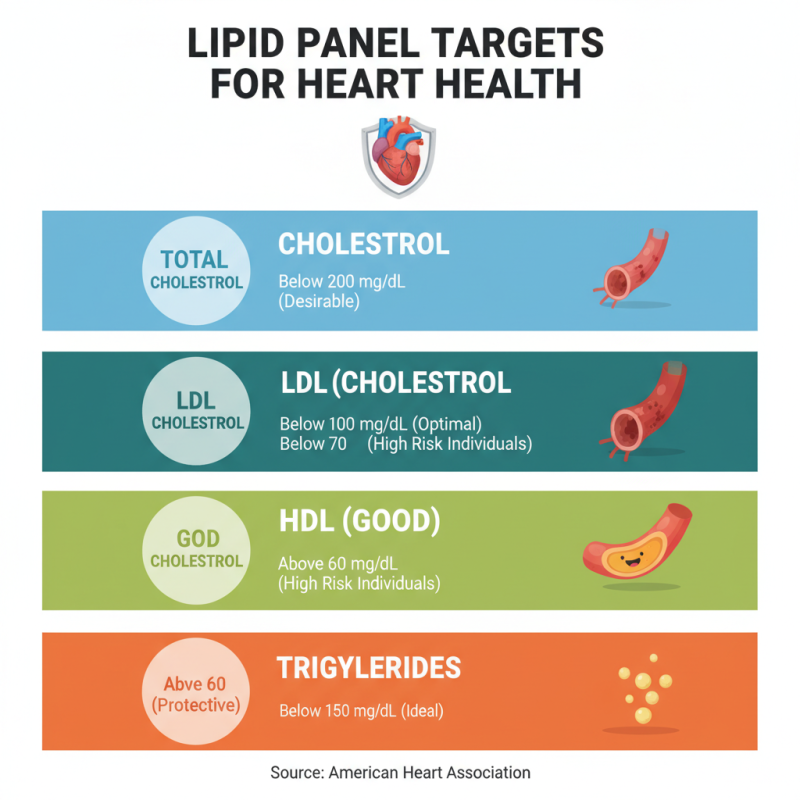
Understanding lipid panel results is crucial for maintaining heart health. The primary components are total cholesterol, LDL (low-density lipoprotein), HDL (high-density lipoprotein), and triglycerides. Target ranges play a significant role in interpreting these results. For LDL, levels below 100 mg/dL are optimal, but many individuals may need to aim for even lower targets, especially if at risk for heart disease. According to the American Heart Association, an HDL level above 60 mg/dL is considered protective against heart disease, while triglycerides should ideally be below 150 mg/dL.
When assessing your lipid panel, consider optimal targets. However, these numbers can vary based on individual health history. Many people fall short of these ideal ranges. For instance, nearly 20% of adults have high LDL levels. This statistic highlights the importance of regular check-ups and being proactive about your health.
Tips: Regular exercise and a balanced diet can help improve your lipid profile. Aim for 150 minutes of moderate exercise weekly. Replace saturated fats with healthier options, like olive oil. Making these changes may feel daunting, but small steps can lead to significant improvements over time. It’s essential to have open conversations with healthcare providers about your results and potential lifestyles changes.

 +86-18343147735
 Email
Email WhatsApp