Why Do You Need a Blood Test for Health Monitoring?
Monitoring one's health is essential for a long, fulfilling life. Blood tests serve as critical tools in this process. Dr. Emily Hart, a renowned hematologist, states, "Regular blood tests can reveal hidden health issues before they become serious." Such tests provide valuable insights into various bodily functions.
By analyzing blood samples, doctors can assess organ function, nutrient levels, and immune responses. The Blood Blood Test offers a comprehensive picture of your health status. Detecting imbalances or deficiencies early allows for timely interventions. This proactive approach can prevent chronic conditions from escalating.
While blood tests are vital, not all results translate into problems. Sometimes, values may fluctuate without indicating illness. Hence, it’s important to consult with healthcare professionals for clarity. Understanding your blood test results requires expertise. There’s always room for improvement in how we interpret and act upon this information.

Importance of Blood Tests in Preventive Health Care
Blood tests play a crucial role in preventive health care by providing invaluable insights into an individual's overall health. According to the Centers for Disease Control and Prevention (CDC), nearly 7 out of 10 adults have a preventable health condition, often linked to underlying metabolic or biochemical issues. Regular blood tests can detect these anomalies early, enabling timely interventions before they become serious.
Moreover, a study published in the Journal of Clinical Medicine noted that approximately 40% of cardiovascular events were linked to unmonitored cholesterol levels. This highlights the need for routine testing to check lipid profiles. Many people overlook this essential step, often underestimating its significance. Testing for vitamin deficiencies, such as vitamin D and B12, is equally important. A review found that about 30% of individuals are vitamin D deficient, leading to various health problems, including weakened immunity.
Blood tests also empower individuals to take charge of their health. Staying informed can lead to better lifestyle choices. However, there remains a gap in awareness; many individuals only seek testing when symptoms arise. This reactive approach can result in lost opportunities for prevention. Timely blood testing can signal potential issues, allowing for modifications in diet and exercise that promote long-term wellness.
Types of Blood Tests Commonly Used for Health Monitoring
Blood tests play a vital role in health monitoring. They provide insights into how our body is functioning. Different types of blood tests are designed to measure specific health markers.
One common blood test is the Complete Blood Count (CBC). This test evaluates red and white blood cells. It helps identify infections and various other conditions. Another important test is the Comprehensive Metabolic Panel (CMP). This panel checks glucose levels, kidney function, and liver health. Abnormal results can indicate serious health issues that may require immediate attention.
Lipid panels are also key for assessing cardiovascular health. They measure cholesterol and triglyceride levels. High numbers can raise the risk of heart disease. Hormone testing, though often overlooked, plays a crucial role as well. It can indicate imbalances that affect overall wellness. Using blood tests effectively requires not just expertise but also a commitment to follow-up actions based on the results. Many may neglect this aspect, focusing only on receiving the test. Active engagement is necessary for true health monitoring.
Health Monitoring Blood Test Analysis
This bar chart illustrates the average levels of essential blood tests commonly used for health monitoring. Regular testing can help in early disease detection and maintaining overall health.
Understanding Blood Test Results and Their Implications
Blood tests play a crucial role in health monitoring. They provide insights into various aspects of our physiology. By analyzing blood samples, healthcare professionals can detect issues early. This preventive approach can save lives and improve long-term health outcomes. For instance, certain tests measure cholesterol levels, blood sugar, and hormone balances. Understanding these results is essential for making informed health decisions.
Interpreting blood test results can be complex. Each value has a range, indicating what is considered normal. Deviations from this range may signal underlying health problems. For instance, high LDL cholesterol may hint at cardiovascular risks. On the other hand, low iron levels could lead to anemia. These insights can guide treatment plans or lifestyle changes.
Not all results are straightforward. A single abnormal result may not indicate a serious issue. It’s important to consider the whole health picture. Regular consultations with healthcare providers can ensure a clear understanding of results. They can explain what each value means in context. Misinterpretations can lead to unnecessary stress or complacency. Balancing awareness with critical thinking is crucial in health monitoring.
Frequency and Timing of Blood Tests for Optimal Health
Monitoring your health through blood tests is essential for early detection of potential issues. Regular testing can reveal important data about your overall health. According to the American Journal of Preventive Medicine, approximately 70% of clinical decisions are based on lab test results. Understanding when to schedule these tests can significantly impact your health outcomes.
For optimal health, it's recommended to have blood tests annually, especially for adults over 30. Certain conditions, like high cholesterol or diabetes, may require more frequent testing. A study by the Centers for Disease Control and Prevention indicates that people with chronic conditions should get tested every three to six months. These intervals allow for better management of health issues.
However, many individuals overlook the importance of these tests. Blood tests are not just for diagnosis; they help track progress. Ignoring this can lead to unforeseen complications. While some people may feel healthy, underlying conditions can exist. A routine test might uncover them. Reports show that nearly 33% of adults are unaware of their cholesterol levels. Regular monitoring could make a difference.
How Lifestyle Factors Influence Blood Test Outcomes
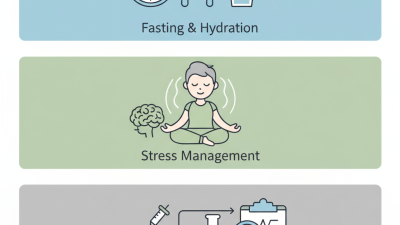
Lifestyle choices heavily influence blood test outcomes.
Diet, exercise, and stress levels can alter your results.
For instance, a high-sugar diet might show elevated glucose levels.
This can mislead health assessments if viewed in isolation.
Regular fried food might raise cholesterol levels too.
These factors must be considered when interpreting results.
Stress is another key element.
Chronic stress can increase certain hormones, affecting cholesterol and blood sugar levels.
Sleep deprivation also plays a role.
It can lead to higher inflammation markers.
These changes can paint an inaccurate picture of your overall health.
When you face difficulties in maintaining a balanced lifestyle, it’s essential to reflect on what influences your health.
Being mindful of these factors can lead to better health monitoring.
It urges individuals to reconsider their daily habits.
Blood tests provide a snapshot but require context.
A healthy lifestyle should be the foundation for accurate assessments.
Each test is a tool to understand your body’s signals, not just numbers on a piece of paper.

 +86-18343147735
 Email
Email WhatsApp