Why is a Blood Test Important for Your Health and Wellbeing?
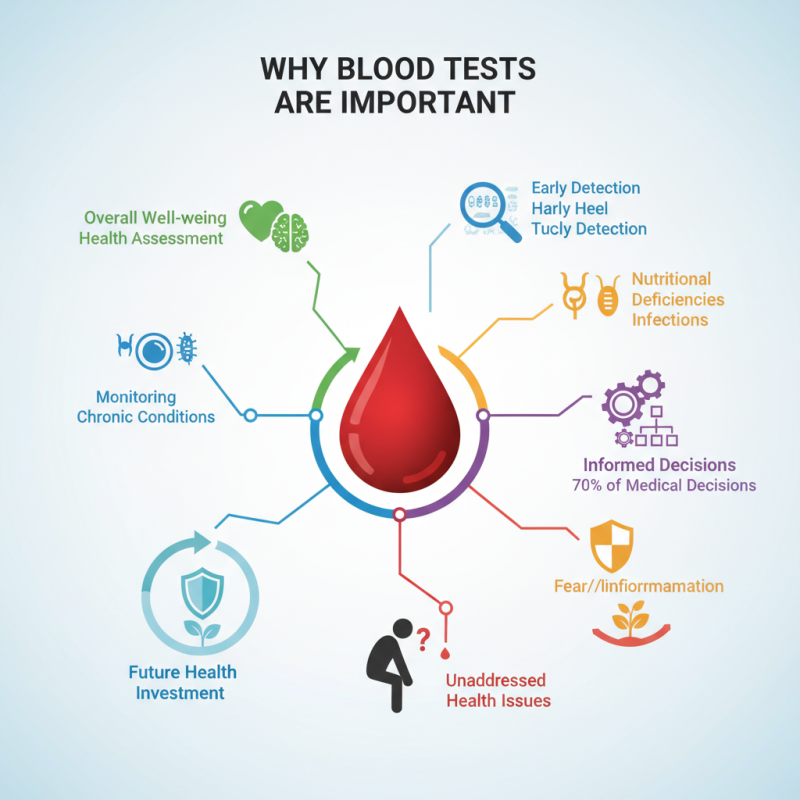
Blood tests are a vital component of health assessment. They provide crucial insights into our overall well-being. According to the CDC, over 50% of adults in the U.S. have at least one chronic illness. Regular blood tests help monitor these conditions. They also detect issues early, potentially saving lives.
In a report by LabCorp, 70% of medical decisions depend on lab results. This emphasizes the importance of blood tests. They can reveal nutritional deficiencies, hormonal imbalances, and infections. Many adults, however, overlook these tests. They might feel healthy and ignore the recommendations. This can lead to unaddressed health issues down the line.
Understanding the role of blood tests is essential. Each test offers a window into our health. Yet, some people avoid them due to fear or misinformation. The implications of avoiding blood tests can be significant. Timely blood analysis is not just a precaution; it’s an investment in future health. By prioritizing these tests, individuals can make informed decisions and foster better health outcomes.
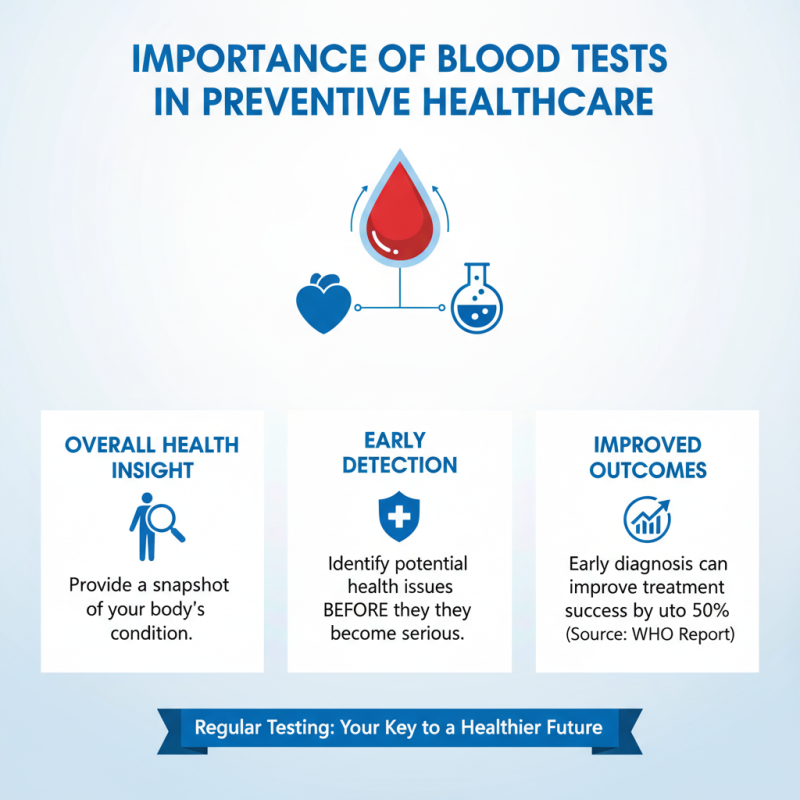
Importance of Blood Tests in Preventive Healthcare
Blood tests play a critical role in preventive healthcare. They provide insight into a person's overall health status. Regular testing can detect potential health issues before they become serious. According to a report from the World Health Organization, early diagnosis can improve treatment outcomes by as much as 50%.
Understanding blood composition is vital. Tests can reveal levels of glucose, cholesterol, and other essential markers. A study published in the Journal of Clinical Medicine highlighted that 70% of medical decisions are based on blood test results. Monitoring these levels helps in identifying risks for chronic diseases. This proactive approach is essential for long-term health.
However, not everyone takes advantage of blood tests. Many people overlook their importance. A lack of awareness can lead to missed opportunities for early intervention. In fact, data shows that only 25% of adults receive regular screenings. It’s a call to action for individuals to prioritize their healthcare.
Understanding Common Blood Tests and Their Purposes
Blood tests are essential tools for assessing your overall health. They can reveal critical information that might not be obvious through a physical examination. Common blood tests include complete blood count (CBC), metabolic panels, and lipid profiles. Each serves unique purposes, such as evaluating blood cell health, organ function, and cholesterol levels. These tests help doctors provide tailored health advice.
A CBC measures red and white blood cells, along with platelets. Abnormal results may indicate infections or anemia. Metabolic panels assess electrolyte and glucose levels, offering insights into kidney and liver health. Lipid profiles provide information about cholesterol and triglyceride levels, guiding heart disease prevention efforts. These details are valuable for understanding your health risks.
While blood tests can offer clarity, they may also lead to anxiety. Misinterpretation of results is a common concern. It's crucial to discuss your specific results with a healthcare professional who can provide context. Not all abnormalities signify serious issues; some could be temporary. Therefore, open communication with your doctor is vital for accurate interpretation and appropriate action.
How Blood Tests Help in Early Disease Detection
Blood tests play a crucial role in early disease detection. They can identify conditions before symptoms arise. According to the American Cancer Society, routine blood tests can catch cancer in its early stages. For example, biomarkers in the blood can indicate changes linked to various cancers. Early intervention makes treatments more effective and can save lives.
Chronic diseases such as diabetes and heart disease often develop silently. The Centers for Disease Control and Prevention (CDC) reports that one in three adults has prediabetes. A simple blood test can reveal high glucose levels. This information is vital for making necessary lifestyle changes. Regular testing helps individuals understand their health status, providing a clearer path toward wellness.
However, many people overlook the significance of these tests. Some may feel anxious about blood draws. Others may not fully understand potential risks tied to conditions not detected early. Ignoring these tests can lead to late diagnosis and more significant health issues. Awareness and action are key. Regular blood testing is a proactive step toward safeguarding your health and ensuring timely intervention if needed.
Interpreting Blood Test Results and What They Mean for You
Understanding your blood test results is crucial for your health. Blood tests check many aspects of health, like cholesterol levels, blood sugar, and disease markers. For instance, studies show that abnormal cholesterol levels increase heart disease risk significantly. Knowing your numbers helps you make informed lifestyle choices.
When interpreting results, consider the reference ranges provided by labs. Each test may have different values based on various factors, including age and sex. A high LDL cholesterol level, for example, can lead to severe cardiovascular issues. It's essential to compare your results against these benchmarks to identify any potential health risks.
Tips: Regular check-ups can help catch potential issues early. Aim to test your blood at least once a year. Remember, it's okay to seek clarification on any confusing results. Don't hesitate to ask your healthcare provider for further explanation. Your health depends on understanding these numbers.
Importance of Blood Test Results for Health and Wellbeing
This chart illustrates the various levels of key health markers typically evaluated in blood tests. Understanding these results can help with early detection and management of health issues.
Role of Regular Blood Testing in Monitoring Health Over Time
Regular blood testing plays a crucial role in health monitoring. It provides insights into your body’s functions over time. Changes in blood markers can reveal underlying health issues. Many conditions develop silently, making these tests vital for early detection. They help track chronic conditions like diabetes and high cholesterol. Regular check-ups can lead to timely interventions.
For those who may overlook blood tests, consider setting a reminder. Annual tests should be a priority. It is easy to forget out of routine, but this habit can pay off. You may think, “I feel fine, so why test?” However, unexpected issues can arise without symptoms. Reflection on your health habits can be enlightening.
Stay informed about what each test measures. Understand the importance of levels like glucose and cholesterol. This knowledge empowers you to make better health decisions. Regular updates about your health status can motivate lifestyle changes. Small adjustments can improve your overall well-being significantly.

 +86-18343147735
 Email
Email WhatsApp