Inquiry
Form loading...

Why Is a Blood Test Important for Your Health?

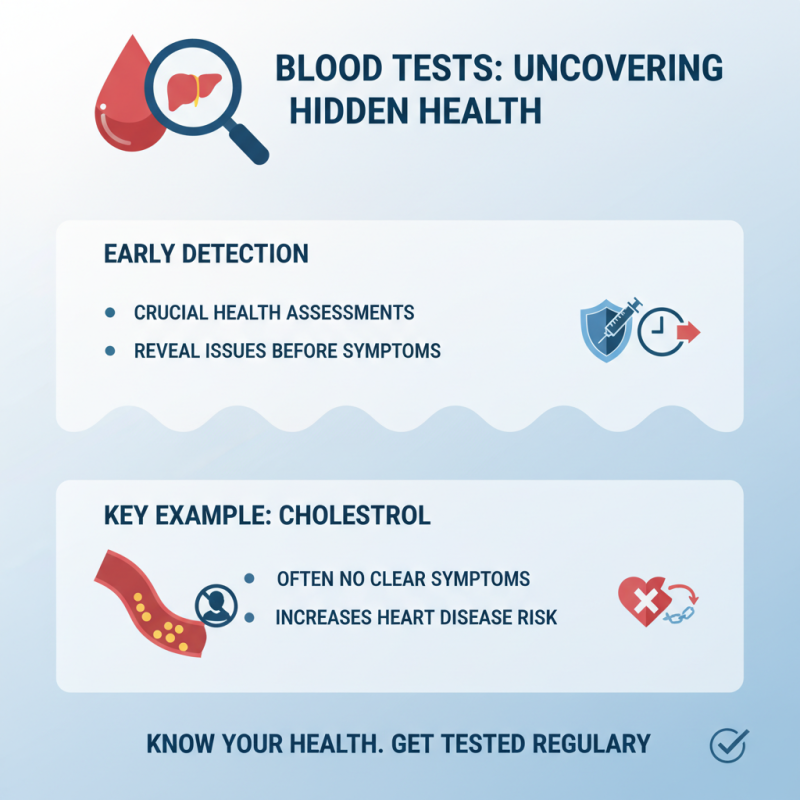
Blood tests are a crucial part of health diagnostics. According to Dr. Sarah Jenkins, a leading expert in hematology, “A blood test can reveal hidden health issues." This statement highlights the significance of routine blood testing.

Many diseases can remain undetected without proper testing. Conditions like diabetes or high cholesterol are not always visible. Through a simple Blood Test Blood Test, doctors can identify these risks early. This proactive approach can lead to better health outcomes.

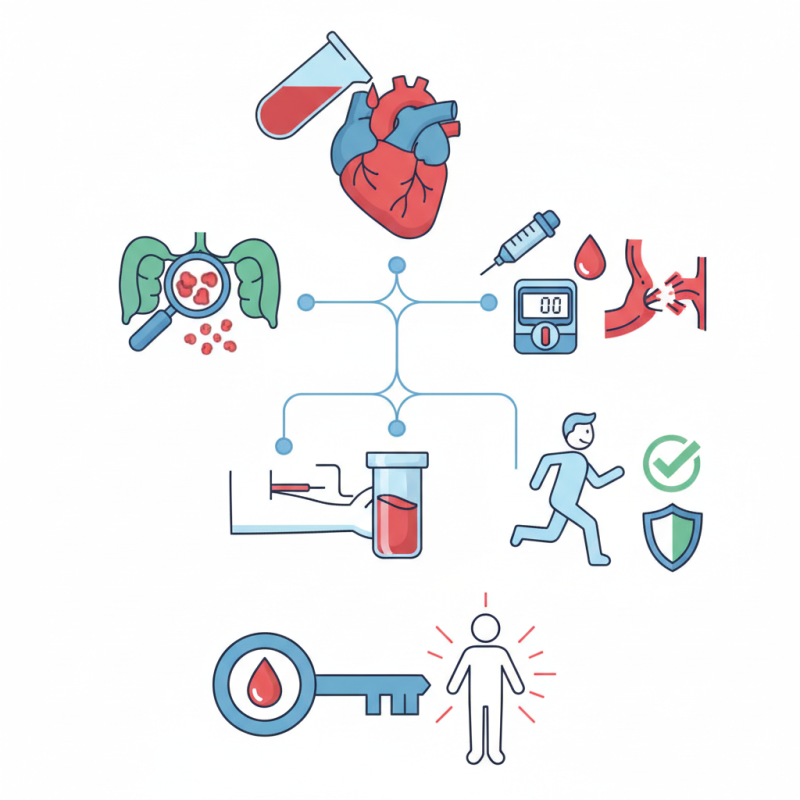
However, people often overlook this vital health check. Some think they feel fine; others fear what results might show. Yet, avoiding a blood test may prevent early intervention. Ultimately, understanding the value of blood tests is essential for long-term health management. Remember, a small vial of blood can hold the key to your wellness.
Why Is a Blood Test Important for Your Health?

The Role of Blood Tests in Preventive Health Care

Why Is a Blood Test Important for Your Health?

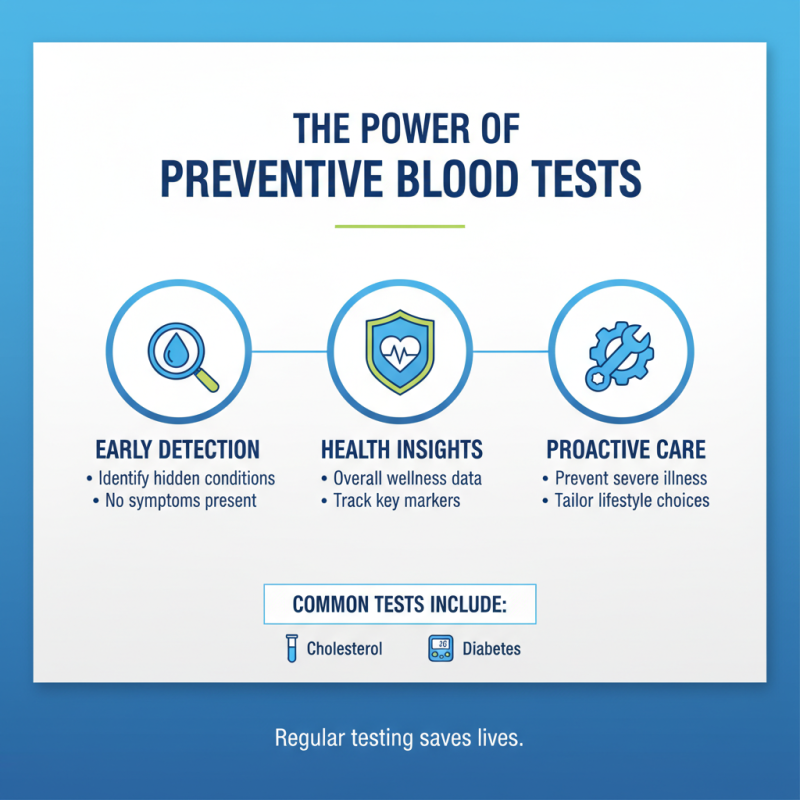
Blood tests play a crucial role in preventive health care. They provide insights into our overall health and help detect potential issues early. Regular testing can reveal hidden conditions that might not show any symptoms. For instance, a simple blood test can uncover high cholesterol levels or signs of diabetes before they become severe.

Many people underestimate the importance of blood tests. They may feel healthy and skip annual check-ups. However, conditions like high blood pressure can remain unnoticed. Moreover, certain deficiencies, such as low vitamin D or iron levels, may not manifest until they become serious. A blood test can flag these issues. It’s crucial to reflect on our health habits and not ignore these preventive measures.

Despite their significance, some people avoid blood tests due to fear or discomfort. A small needle prick can feel daunting, but the benefits far outweigh the temporary unease. By keeping up with routine screenings, we take control of our health. Ultimately, each test serves as a step towards a healthier future.

Understanding Different Types of Blood Tests and Their Purposes

Blood tests play a crucial role in assessing overall health. They provide valuable insights into various aspects of your body. Different types serve unique purposes, from checking blood cell counts to evaluating organ function. A complete blood count (CBC) helps identify infections or anemia. A metabolic panel assesses sugar levels, electrolytes, and kidney function.

Cholesterol tests measure lipid levels in your blood. High cholesterol can lead to heart disease. Liver function tests evaluate how well your liver is working. They can reveal damage or inflammation. Hormone tests measure levels of specific hormones, offering insight into conditions like thyroid disorders. It's essential to discuss results with a healthcare professional for tailored advice.

Regular blood testing is often overlooked. Many people hesitate due to fear or misunderstanding. Yet, early detection of issues can lead to better outcomes. Ignoring symptoms may worsen conditions. Understanding blood tests empowers individuals to take charge of their health.

How Blood Tests Can Detect Early Signs of Disease

Why Is a Blood Test Important for Your Health?

Blood tests are a crucial part of health assessments. They can reveal hidden health issues before symptoms appear, allowing for earlier intervention. For instance, a simple blood test can indicate high cholesterol levels. This condition often has no clear symptoms, but it increases the risk of heart disease.

Moreover, blood tests can detect markers for various diseases. They can identify diabetes by measuring glucose levels in the blood. A regular test can highlight unexpected changes, prompting further investigation. Sometimes, results can be surprising. A person might feel healthy but discover deficiencies or markers of illness. These revelations can be unsettling but crucial for proactive health management.

Patients often overlook the significance of routine blood tests. Some may think they are only for those feeling unwell. However, early detection can lead to better outcomes. Regular tests can serve as a wake-up call, pushing individuals to make necessary lifestyle changes. It’s easy to dismiss their impact, but the benefits of early detection are undeniable.

The Importance of Regular Blood Testing for Chronic Condition Management

Regular blood testing plays a critical role in managing chronic conditions. Many people ignore this aspect of healthcare. They may feel fine and think tests are unnecessary. However, silent changes in the body can go unnoticed. A simple blood test can reveal vital information. For instance, it can show glucose levels for diabetes management.

Chronic conditions require ongoing monitoring. Doctors often depend on blood tests to make informed decisions. High cholesterol or abnormal liver enzymes may indicate bigger issues. Individuals need to reflect on their health habits daily. Is diet balanced? Is exercise regular? These factors directly affect blood test results.

Additionally, some may feel anxious about test outcomes. That fear can lead to avoidance of necessary healthcare. It's essential to confront these feelings. Embracing regular testing can lead to better health management. Building a strong patient-doctor relationship can help ease worries. Ultimately, understanding blood test significance is key for proactive health.

Why Is a Blood Test Important for Your Health? - The Importance of Regular Blood Testing for Chronic Condition Management

Test Type Purpose Frequency Key Health Indicators
Complete Blood Count (CBC) Checks for overall health and detects a variety of disorders Annually or as advised White blood cells, red blood cells, hemoglobin, platelets
Lipid Panel Measures cholesterol levels and assesses heart disease risk Every 4-6 years or more frequently if at risk Total cholesterol, LDL, HDL, triglycerides
Blood Glucose Test Monitors blood sugar levels for diabetes management At least twice a year for diabetics Fasting blood sugar, HbA1c levels
Thyroid Function Tests Evaluates thyroid gland activity and health Every 1-2 years for those with thyroid issues TSH, T3, T4
Electrolyte Panel Checks levels of electrolytes which are vital for body functions Annually or more often for chronic conditions Sodium, potassium, chloride, bicarbonate

Interpreting Blood Test Results: What You Need to Know

Understanding blood test results is crucial for your health. These tests can reveal vital information about your body. Abnormal results may indicate underlying health issues that need attention. It is essential to familiarize yourself with common markers. For instance, cholesterol levels can reflect heart health. High levels may require lifestyle changes.

Glucose levels are another critical indicator. They provide insight into your risk for diabetes. Too high or too low can affect your daily life. Don’t be alarmed if you notice abnormal results. Further tests or discussions with a healthcare provider can clarify concerns.

Remember, numbers aren't everything. They serve as a guide but don’t define you. Reflect on your lifestyle choices when interpreting these results. Awareness is key, but don’t let fear dictate your actions. Stay informed and proactive about your health.

Blood Test Results: Understanding Key Health Metrics

This chart illustrates the average levels of key health metrics typically measured during blood tests. Regular blood tests are essential for monitoring your health and detecting potential issues early.