What is an Fbs Blood Test and Why is it Important?
The Fbs Blood Test plays a crucial role in evaluating glucose levels. It measures fasting blood sugar, giving insights into metabolic health. This test is vital for diagnosing diabetes and prediabetes.
When individuals fast for eight hours, the blood sample reveals how the body handles glucose. Abnormal results can indicate potential health risks. For many, understanding their Fbs Blood Test results is a wake-up call.
However, some may overlook its importance. Misunderstanding or ignoring the results can lead to serious complications. Regular testing could prevent future health issues. Emphasizing awareness and timely action is essential for maintaining health.
What is an Fbs Blood Test?
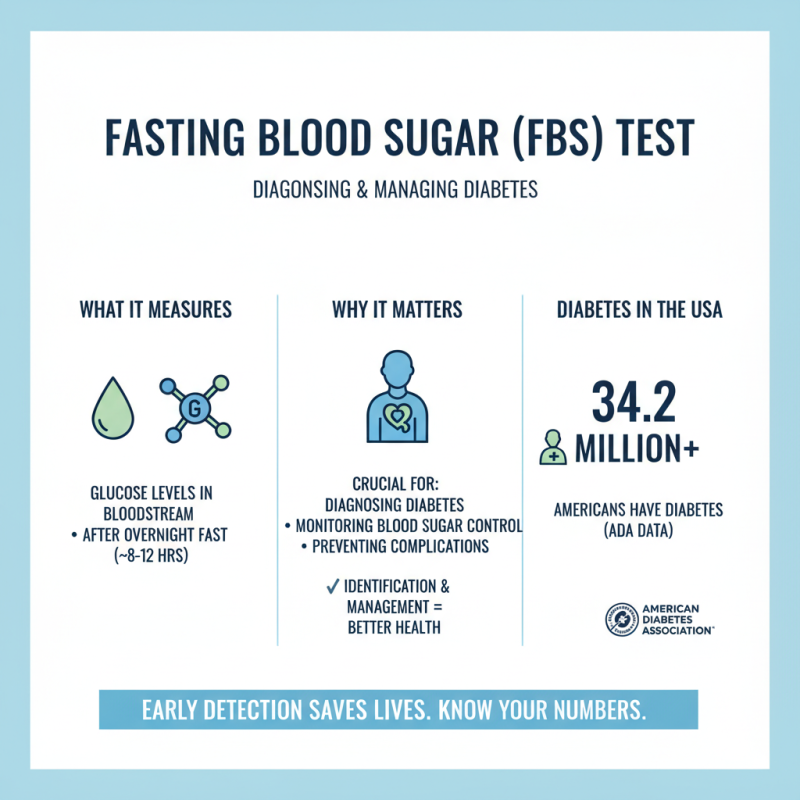
An FBS blood test, or fasting blood sugar test, measures glucose levels in the bloodstream after an overnight fast. It is crucial for diagnosing diabetes and monitoring blood sugar control. According to the American Diabetes Association, nearly 34.2 million Americans have diabetes. Identifying and managing this condition is vital for long-term health.
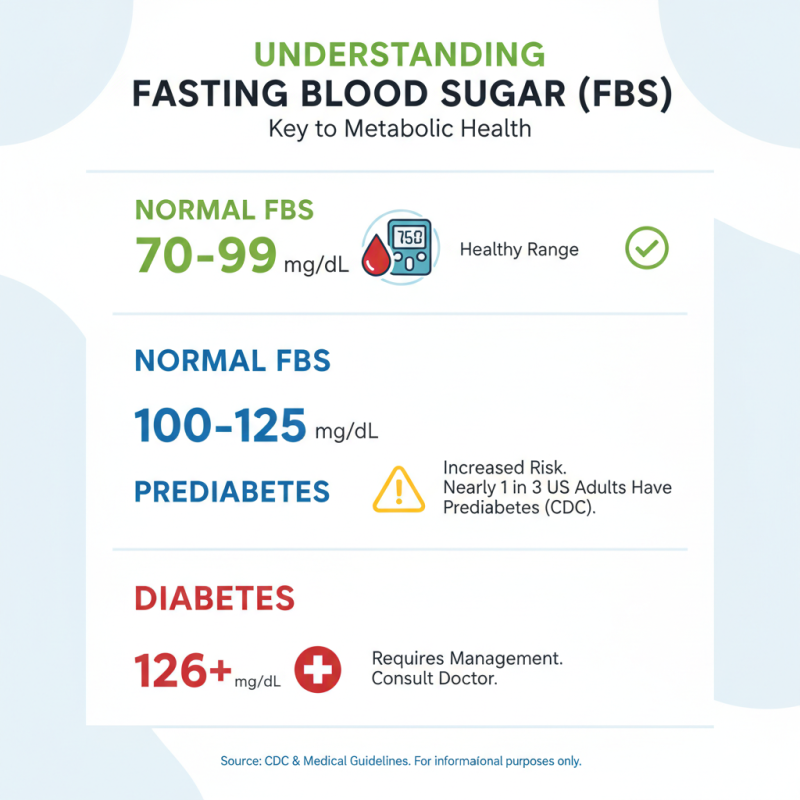
During this test, healthcare providers use a small sample of blood. The results are usually given in milligrams per deciliter (mg/dL). A normal fasting glucose level ranges from 70 to 99 mg/dL. Values from 100 to 125 mg/dL indicate prediabetes, while results of 126 mg/dL or higher suggest diabetes. With alarming statistics showing an increase in diabetes prevalence, regular testing becomes essential.
Moreover, lifestyle factors contribute significantly to blood sugar levels. Diet, physical activity, and stress can influence your results. A recent study found that up to 90% of patients with type 2 diabetes are overweight or obese. Recognizing these factors inspires individuals to better manage their health. Patients often overlook the importance of pre-test preparation, such as fasting, which directly affects the accuracy of results.
The Purpose of Fbs Blood Testing in Healthcare
Fasting blood sugar (FBS) tests play a crucial role in healthcare. These tests measure glucose levels after a period of fasting, usually overnight. They help identify potential issues like diabetes or prediabetes. Knowing your FBS level can aid in early diagnosis and management of these conditions.
The significance of FBS blood testing extends beyond just numbers. For individuals at risk, regular testing can provide important health insights. It can trigger lifestyle changes, such as diet adjustments or increased physical activity. These changes can improve overall well-being in the long run. Health professionals often recommend periodic testing, especially for those with a family history of diabetes.
However, many overlook the need for regular checks. Life gets busy, and health often takes a back seat. Some might think they don't need testing until symptoms arise. This mindset can be problematic. Being aware of one’s FBS level can empower individuals to take proactive steps. Ultimately, understanding the importance of FBS testing is essential for maintaining good health. Ignoring it could mean missing out on critical health information.
Understanding Normal and Abnormal Fbs Levels
Fasting blood sugar (FBS) levels are critical for assessing metabolic health. Normal FBS levels usually range from 70 to 99 mg/dL. When FBS readings exceed this range, they may indicate potential health issues. A level of 100 to 125 mg/dL suggests prediabetes, while levels above 126 mg/dL can indicate diabetes. According to the CDC, nearly 1 in 3 adults in the U.S. have prediabetes.
Monitoring FBS is vital for early detection of diabetes. Studies show early intervention can significantly alter the disease's progression. A report from the American Diabetes Association highlights that lifestyle changes can reduce diabetes onset risk by 58%. Understanding these levels enables proactive health measures. However, relying solely on FBS can be inadequate. Other factors also play roles, such as family history and body weight.
Inconsistent results can arise from diet, stress, or illness. For instance, a person might have a normal FBS one week and elevated levels the next. This variance can lead to confusion. Regular testing is necessary for accuracy. Always discuss FBS results with a healthcare professional for a comprehensive evaluation. Recognizing the importance of these levels cannot be overstated. It’s an essential step toward better health outcomes.
Common Conditions Detected by Fbs Blood Tests
Fasting blood sugar (FBS) tests play a critical role in diagnosing various health conditions. This simple blood test measures glucose levels after fasting for at least eight hours. It is often the first step in identifying prediabetes and diabetes. Elevated levels may signal an issue, prompting further investigation.
Common conditions detected by FBS tests include diabetes and prediabetes. High fasting glucose can indicate that the body struggles to regulate blood sugar. Additionally, it can uncover insulin resistance, a precursor to type 2 diabetes. Individuals may feel fine yet have abnormal readings, making regular testing essential.
Certain other conditions can also influence FBS results. Hormonal disorders, such as Cushing's syndrome or hyperthyroidism, may elevate blood glucose levels. Stress and medications can impact results too. These complexities highlight the need for a thorough evaluation. It is crucial to understand that a single test may not provide a full picture of one's health.
What is an Fbs Blood Test and Why is it Important? - Common Conditions Detected by Fbs Blood Tests
| Condition |
Description |
Normal Range (mg/dL) |
| Diabetes Mellitus |
A chronic condition that affects your body's ability to use insulin effectively. |
70 - 99 |
| Prediabetes |
A state where blood sugar levels are higher than normal but not yet high enough to be diagnosed as diabetes. |
100 - 125 |
| Hypoglycemia |
Lower than normal blood sugar levels, which can cause symptoms like dizziness and confusion. |
< 70 |
| Insulin Resistance |
A condition where cells in the body do not respond effectively to insulin. |
Varies |
| Gestational Diabetes |
Diabetes that develops during pregnancy and usually resolves after giving birth. |
Variable |
Preparation and Procedure for an Fbs Blood Test
Preparation for an FBS blood test is crucial for accurate results. Patients are usually required to fast for at least 8 hours before the test. This means no food or drinks except water. Research shows that pre-test fasting improves glucose measurement accuracy. A study published in the Journal of Clinical Endocrinology indicated that fasting can reduce variability in blood sugar levels, ensuring doctors receive reliable data.
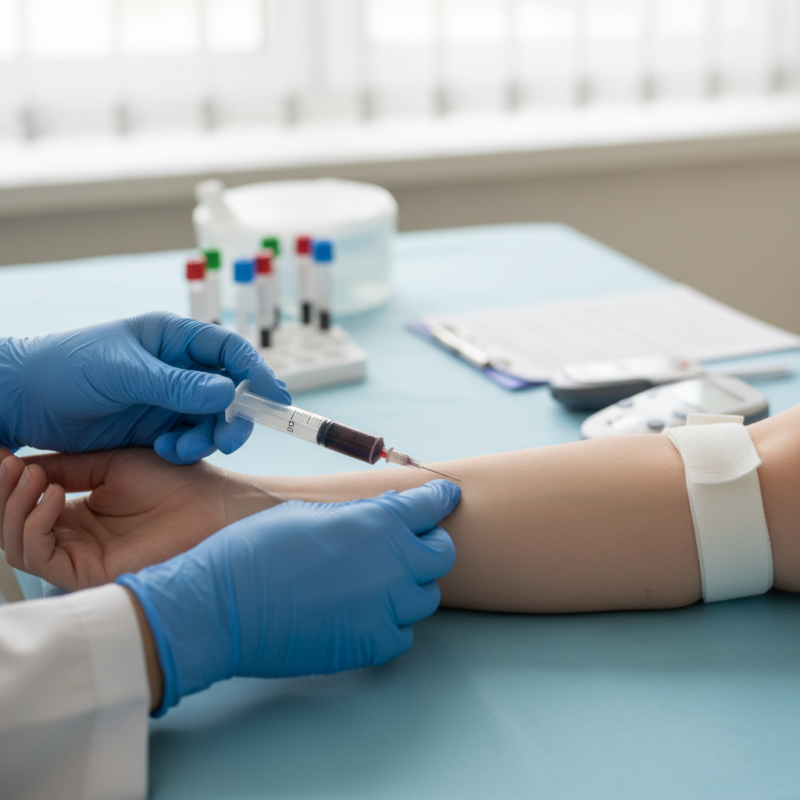
During the procedure, a healthcare professional will draw blood, typically from a vein in the arm. The whole process usually takes just a few minutes. It's important to be relaxed during this time. Anxiety can affect blood pressure and, in turn, test results. Many patients report feeling discomfort, but the benefits of knowing their blood sugar levels outweigh this minor issue.
After the test, normal activities can often resume. However, monitoring how the body reacts post-test can be insightful. Some individuals experience fatigue or dizziness. This may be due to sudden changes in glucose levels. It's worth reflecting on these feelings, as they can be indicators of underlying health issues.
FBS Blood Test Results Overview
This bar chart illustrates the distribution of individuals categorized by their fasting blood sugar (FBS) test results. A majority of individuals fall within the normal range, while a smaller percentage are classified as prediabetic or diabetic. Understanding these categories is essential for managing blood sugar levels and potential health risks.

 +86-18343147735
 Email
Email WhatsApp