10 Essential Tips for Understanding Your Hemoglobin Blood Test Results
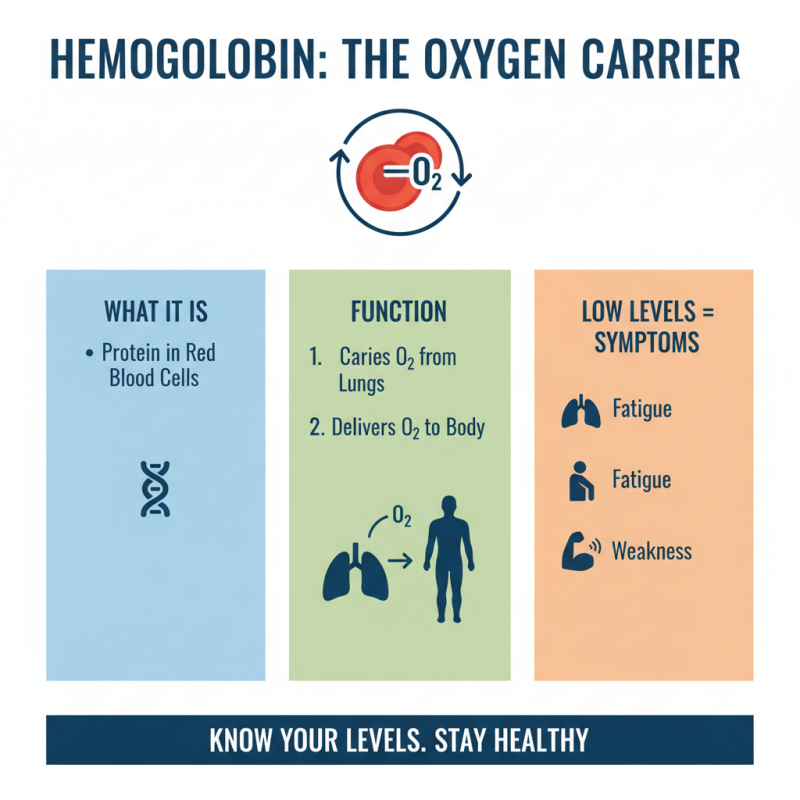
Understanding your Hemoglobin Blood Test results is crucial for managing your health. Hemoglobin, a protein in red blood cells, carries oxygen throughout the body. Reports from the World Health Organization (WHO) reveal that around 1.6 billion people suffer from anemia globally, often tied to low hemoglobin levels. Renowned hematologist Dr. Jane Smith emphasizes, "Accurate interpretation of Hemoglobin Blood Test results can provide vital clues about a person's overall health."
The Hemoglobin Blood Test is not just a number on a lab report. It can indicate issues such as anemia, nutritional deficiencies, or underlying chronic conditions. Yet, many people struggle to grasp what these results mean. They may not fully understand the reference ranges or the implications of their values. Awareness is key to better health. Recognizing factors that influence hemoglobin levels can lead to more informed decisions.
There's often confusion between normal and abnormal levels. Some may overlook the importance of follow-up tests. In the complex world of blood testing, it's essential to ask questions and seek clarity. The journey to understanding your health may require reflection, guidance, and further exploration.

Understanding Hemoglobin: What It Is and Its Role in the Body
Hemoglobin is a vital protein in red blood cells. It carries oxygen from the lungs to the rest of the body. This process is essential for our survival. When hemoglobin levels drop, fatigue and weakness often follow. Many people experience these symptoms without realizing the connection. Understanding your hemoglobin levels is crucial for identifying possible health issues.
Normal hemoglobin levels vary by age and sex. Ranges can differ, leading to confusion. A low hemoglobin count can signal anemia or other health conditions. On the flip side, elevated levels might indicate dehydration or other complications. Tracking changes over time can offer insights into your health. It's not just numbers on a chart; it’s your body’s story.
Consider your diet and lifestyle. Iron-rich foods can boost hemoglobin levels. Likewise, regular exercise supports oxygen delivery in the body. However, habits such as smoking can have a negative impact. Reflect on your daily choices and how they might affect your hemoglobin results. A deeper understanding will empower you to take control of your health.
Interpreting Hemoglobin Levels: Normal Ranges and Variations
Understanding hemoglobin levels is crucial for assessing your health. Normal hemoglobin ranges typically fall between 13.5 to 17.5 grams per deciliter for men and 12.0 to 15.5 grams for women. Variations outside these ranges could indicate several health issues. Low levels may signal anemia, fatigue, or nutritional deficiencies. High levels may suggest dehydration or other medical conditions.
It's important to remember that many factors can affect hemoglobin levels. Age, gender, and altitude play a role. For instance, people living at higher altitudes often have elevated hemoglobin due to lower oxygen levels in the air. Additionally, recent illnesses or physical activity can cause fluctuations. It’s easy to panic over abnormal results. However, context matters. Consult your healthcare provider for a comprehensive analysis. They will consider your overall health and lifestyle. Don’t hesitate to ask questions and express concerns.
Common Conditions Associated with Abnormal Hemoglobin Results
Understanding your hemoglobin blood test results is crucial for identifying potential health issues. Abnormal hemoglobin levels can indicate several conditions. Low hemoglobin might suggest anemia, which can cause fatigue and weakness. Eating iron-rich foods could help; however, relying solely on diet is often not enough. It’s essential to consult with a healthcare provider for accurate diagnosis.
On the other hand, high hemoglobin levels may indicate polycythemia vera or dehydration. These conditions can lead to serious complications if ignored. Monitoring hydration is vital. Sometimes, even routine activities can affect results. High altitude living and smoking also elevate hemoglobin levels. It’s interesting to note how lifestyle affects our bodies. Taking actionable steps can lead to improvement, but advice should be tailored by a professional.
10 Essential Tips for Understanding Your Hemoglobin Blood Test Results
| Condition |
Normal Hemoglobin Levels (g/dL) |
Possible Symptoms of Abnormal Levels |
| Anemia |
13.5 - 17.5 for men
12.0 - 15.5 for women |
Fatigue, weakness, pale skin |
| Polycythemia |
Above 17.5 for men
Above 15.5 for women |
Headaches, dizziness, high blood pressure |
| Thalassemia |
Varies widely based on type |
Bone deformities, fatigue, jaundice |
| Sickle Cell Disease |
Varies, often lower than normal |
Pain episodes, swelling, frequent infections |
| Dehydration |
N/A |
Thirst, dry mouth, low urine output |
Factors Affecting Hemoglobin Levels: Diet, Hydration, and Health Status
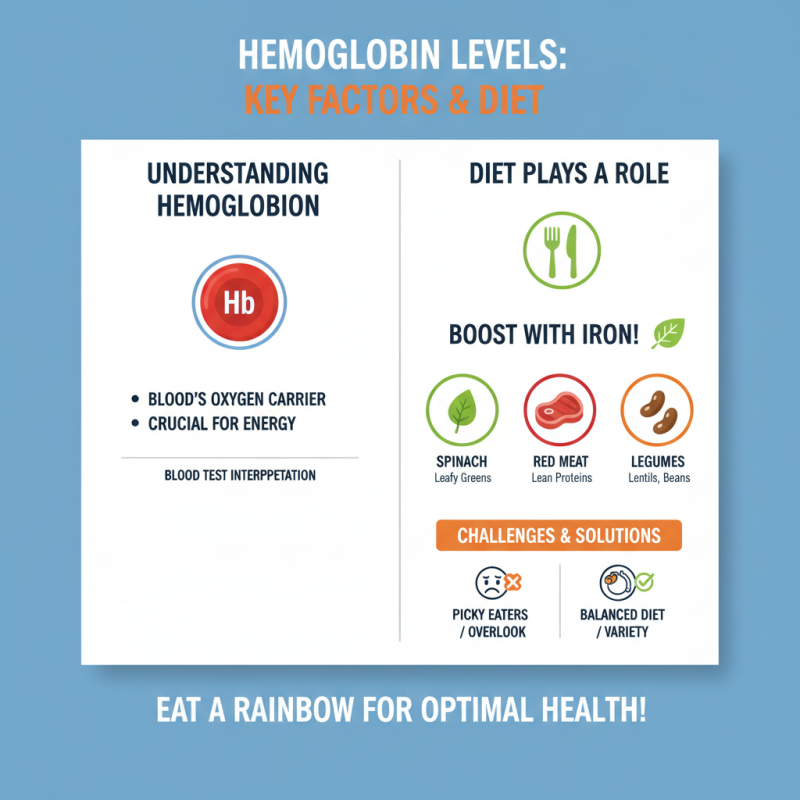
Understanding the factors that affect hemoglobin levels is crucial for interpreting your blood test results. Diet plays a significant role. Eating iron-rich foods like spinach, red meat, and legumes can boost hemoglobin levels. However, not everyone enjoys these foods, and some might overlook them. It’s a challenge to maintain a balanced diet every day. Try to incorporate a variety of foods to ensure you’re getting enough iron.
Hydration is equally important. Dehydration can distort your hemoglobin levels. It might sound simple, but many people struggle to drink enough water throughout the day. Aim for clear signs of hydration, like light-colored urine. However, hydration alone isn’t a magic solution. Consider your overall health status as well. Chronic conditions can weaken your blood health. Regular check-ups can help assess any underlying issues.
Remember, small lifestyle changes can make a big difference. Keep track of your diet and hydration levels. Reflect on how certain foods make you feel. Adjust accordingly. These habits will ultimately help you understand your hemoglobin results better.
Next Steps After Your Hemoglobin Test: Follow-Up and Lifestyle Changes
After receiving your hemoglobin test results, it’s crucial to understand the implications. Hemoglobin levels can indicate various health issues. According to the World Health Organization, a hemoglobin level below 13 g/dL in men and 12 g/dL in women suggests anemia. Anemia affects over a quarter of the global population, impacting energy and overall health. If your results indicate low hemoglobin, don’t panic. There are steps you can take.
Dietary changes can greatly impact your levels. Incorporating iron-rich foods is essential. Lentils, spinach, and lean meats can help boost iron intake. The National Institutes of Health report that vitamin C enhances iron absorption. Drinking orange juice with meals can be beneficial. If lifestyle changes aren’t enough, it may be time to speak with your healthcare provider. Supplements might be necessary in some cases.
Monitoring hemoglobin is important for ongoing health. Regular check-ups help track your progress. If levels are consistently low, it may indicate underlying issues. This can lead to fatigue and decreased performance in daily activities. Reflection on your health habits is crucial. Are you prioritizing nutrition? Are you sleeping well? These factors can significantly influence hemoglobin levels.
Understanding Hemoglobin Levels
This chart displays the average hemoglobin levels across different age groups and genders. Monitoring these values can help assess your health status and determine if any lifestyle changes are necessary.

 +86-18343147735
 Email
Email WhatsApp