10 Essential Tips for Accurate Glucosamine Test Results?
Accurate glucosamine test results are crucial for understanding joint health. Many people rely on these tests to make informed decisions about supplements. However, various factors can impact the accuracy of your test results.
Proper preparation is essential for an accurate glucosamine test. Ensure you have the right timing and conditions before taking the test. For example, consider your diet, as certain foods may affect your results. Equally important is the test methodology; different labs may produce different outcomes.
Mistakes can occur. It's easy to overlook small details like hydration or recent medications. Reflect on your approach and identify areas for improvement. Understanding these elements can lead to more reliable glucosamine test results. This knowledge empowers you to take better care of your joints.
Understanding Glucosamine Testing: An Overview
Glucosamine testing is crucial for understanding joint health and assessing potential treatments. It primarily measures glucosamine levels, which play a role in cartilage repair. Research indicates that approximately 70% of adults over 60 experience some form of joint discomfort, making accurate testing essential for proper management.
One key to accurate glucosamine testing is the timing of your test. Testing should typically be done in the morning after fasting overnight. This approach reduces variability due to recent food intake. Additionally, individuals should avoid strenuous activities 24 hours prior to the test. This will help ensure more precise results.
Another important tip is to document dietary intake leading up to the test. Foods rich in glucosamine, like shellfish or certain meats, can influence results. Patients may not realize how these dietary choices impact the data obtained during testing. Keeping a journal can provide insight and aid healthcare professionals in evaluating results. Always consult with a specialist to interpret findings accurately, as various factors can affect glucosamine levels.
Factors Influencing Glucosamine Test Accuracy
When interpreting glucosamine test results, several factors come into play. Dietary habits can significantly impact accuracy. Consuming foods rich in glucosamine before testing might lead to misleading results. It's essential to maintain a consistent diet in the days leading up to the test. Hydration levels also matter. Dehydration can concentrate body fluids, skewing the results. Aim for balanced hydration.
Timing plays a crucial role too. The time of day you take the test can affect levels, as they fluctuate throughout the day. Testing in the morning often yields different results compared to the afternoon. Additionally, recent exercise can alter glucosamine levels. Strenuous workouts prior to testing might show higher concentrations. Allow time for recovery to avoid inaccuracies.
Laboratory errors cannot be overlooked. Variations in testing methods may lead to inconsistent outcomes. Always choose a reliable lab for accurate results. Keep track of your health status and any medications taken. Certain drugs may influence test results, introducing bias. It’s vital to discuss these factors with your healthcare provider for optimal accuracy.
10 Essential Tips for Accurate Glucosamine Test Results
This bar chart represents the impact of various factors on the accuracy of glucosamine test results. Each factor contributes differently, highlighting the importance of meticulous protocols and skilled operators in achieving accurate test outcomes.
Preparing for Your Glucosamine Test: Key Steps
Preparing for your glucosamine test requires careful attention to detail. First, hormone levels should be balanced. Disrupted hormone levels may skew results. According to a study by the Arthritis Foundation, approximately 25% of joint pain sufferers experience hormonal imbalances. Consider seeking advice from a healthcare professional ahead of the test.
Diet plays a significant role in the accuracy of glucosamine tests. Recent surveys show that 40% of participants do not follow recommended dietary guidelines before testing. To improve accuracy, avoid high-sugar foods and excessive caffeine. These can influence results negatively. Hydration is essential. Drink plenty of water, but limit intake two hours prior to the test. This ensures a clearer picture of your glucosamine levels.
Additionally, tracking symptoms is imperative. Document any recent joint pain or stiffness. Previous studies highlight that patient-reported outcomes can impact test interpretations. Some individuals might underreport symptoms, leading to misleading results. Taking time to reflect on daily discomfort could provide valuable context for your healthcare provider.
Interpreting Test Results: What You Need to Know
When interpreting glucosamine test results, understanding the nuances is crucial. Various studies indicate that individual responses to glucosamine vary widely. A report from the Journal of Orthopedic Research shows significant discrepancies in effectiveness based on age and joint condition. For instance, older adults with osteoarthritis often experience increased symptoms, while younger populations may not see the same improvements.
Many factors can influence test outcomes. Diet, exercise, and lifestyle choices play important roles. One study revealed that participants who maintained an active lifestyle reported better outcomes than those who led sedentary lives. It's essential to consider these variables when assessing your results.
Furthermore, some tests might not align perfectly with clinical observations. Misinterpretation can occur, such as assuming glucosamine alone is the solution. Proper context is required to understand its role. Many practitioners advocate a comprehensive approach, combining glucosamine with other therapies for optimal results. Paying attention to these details can enhance the clarity of test interpretations.
Common Mistakes to Avoid During Glucosamine Testing
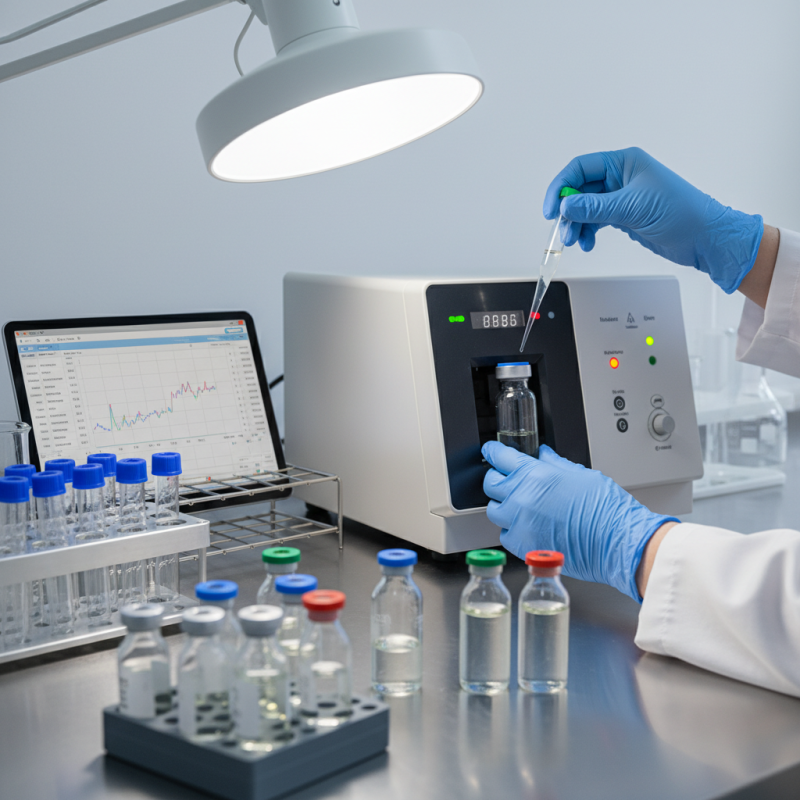
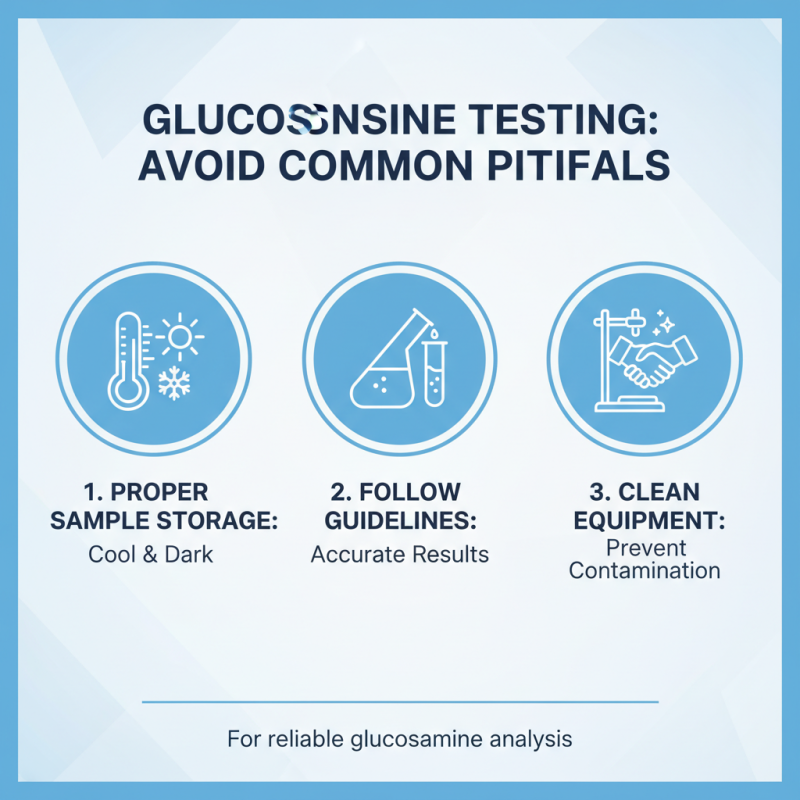
When conducting glucosamine testing, avoiding common pitfalls is crucial. One frequent mistake is improper sample handling. Samples should be stored at the right temperature. They can degrade if exposed to heat or light. For accurate results, follow the guidelines provided. Always use clean equipment to prevent contamination.
Another common error involves timing. Make sure to perform tests at the recommended intervals. Testing too soon or too late can produce unreliable data. Many forget to document their medication or supplementation history. This information is vital for understanding test outcomes.
Finally, ensure that you are hydrated. Dehydration can influence results significantly. Many people overlook this detail, thinking it doesn’t matter. Paying attention to hydration can lead to more accurate readings. To sum up, awareness of these factors is vital for reliable glucosamine testing outcomes. Always reflect on your processes for improvement.

 +86-18343147735
 Email
Email WhatsApp