Essential Tips for Accurate Blood Sugar Test Results You Need to Know
Managing blood sugar levels is crucial for individuals, especially those living with diabetes. Understanding the accuracy of a Blood Sugar Test can significantly influence treatment outcomes and overall health. Renowned endocrinologist Dr. Emily Rodriguez emphasizes, "Precision in blood sugar monitoring is the cornerstone of effective diabetes management." This highlights the essential role accurate testing plays in ensuring that individuals can make informed decisions about their diet, exercise, and medication.
As we navigate the complexities of monitoring blood sugar levels, it becomes evident that there are key factors that can impact the reliability of test results. From proper testing techniques to understanding timing and frequency, each aspect contributes to obtaining a true reflection of one’s glucose status. This article aims to provide essential tips for accurate Blood Sugar Test results, empowering individuals with the knowledge to optimize their health management strategies effectively. With the right approach and awareness, it is indeed possible to take control of one's blood sugar levels and work towards a healthier future.

Understanding Blood Sugar Levels: Normal Ranges and Targets
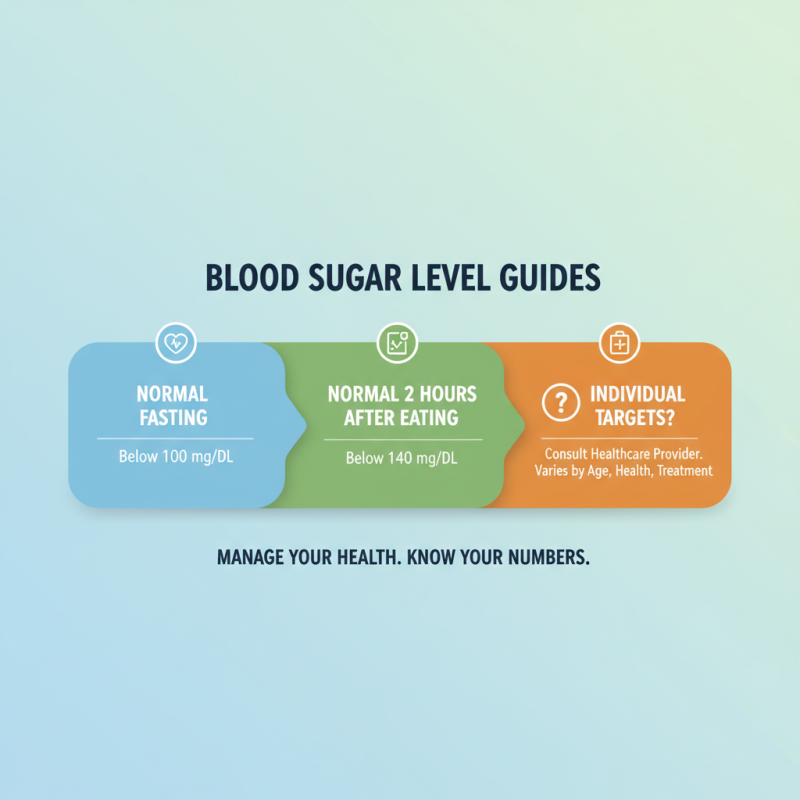
Understanding blood sugar levels is crucial for maintaining overall health, especially for individuals with diabetes or those at risk of developing the condition. Generally, normal blood sugar levels are defined by fasting levels below 100 mg/dL and levels below 140 mg/dL two hours after eating. However, what constitutes a "target" level can vary greatly among different individuals, influenced by factors such as age, health status, and treatment plans. Thus, it's essential to consult with a healthcare provider to establish personal targets for blood sugar management.
To ensure accurate blood sugar test results, there are several key tips to follow. First, always wash your hands thoroughly before testing. This helps to eliminate any residual sugars from food or beverages that could skew your results. Next, make sure that your testing device is clean and properly calibrated according to the manufacturer's instructions. It's also beneficial to take tests at consistent times, such as before meals or after certain intervals, to establish a reliable pattern for your readings.
Another important tip is to keep a log of your readings along with any notes on diet, exercise, and medication changes. This can provide valuable insights when discussing your blood sugar levels with your healthcare provider. Remember that fluctuations in blood sugar levels can occur due to various factors like stress, sleep disturbances, or changes in physical activity, so understanding these dynamics can aid in better management.
The Importance of Pre-Test Preparation for Accurate Results
Accurate blood sugar test results are crucial for managing diabetes effectively. One key aspect often overlooked is pre-test preparation. The American Diabetes Association (ADA) indicates that improper preparation can significantly skew results, leading to misinterpretations of a person's glycemic control. For instance, fasting for at least 8 hours before a blood glucose test can yield more reliable readings. This is especially important for individuals monitoring their blood sugar levels frequently, as consistent and accurate results are vital for medication adjustments and overall health management.
Tips for pre-test preparation include ensuring proper hydration and avoiding high-carbohydrate meals prior to testing. Drinking water can enhance blood flow, making it easier to draw blood, while a heavy meal can artificially raise blood glucose levels. Additionally, taking note of any recent physical activities is essential, as vigorous exercise can lower blood sugar readings. According to a study published in the Journal of Clinical Endocrinology & Metabolism, failing to adhere to these preparation guidelines may result in a discrepancy of up to 20% in blood sugar levels.
Maintaining a consistent testing schedule is equally important. Regular monitoring at the same time each day, preferably when blood sugar levels are stable, may provide a clearer picture of your condition. Ultimately, understanding the impact of pre-test preparation can empower individuals with diabetes to make informed decisions regarding their care and lifestyle choices.
Common Factors Influencing Blood Sugar Readings: Footnotes of Research
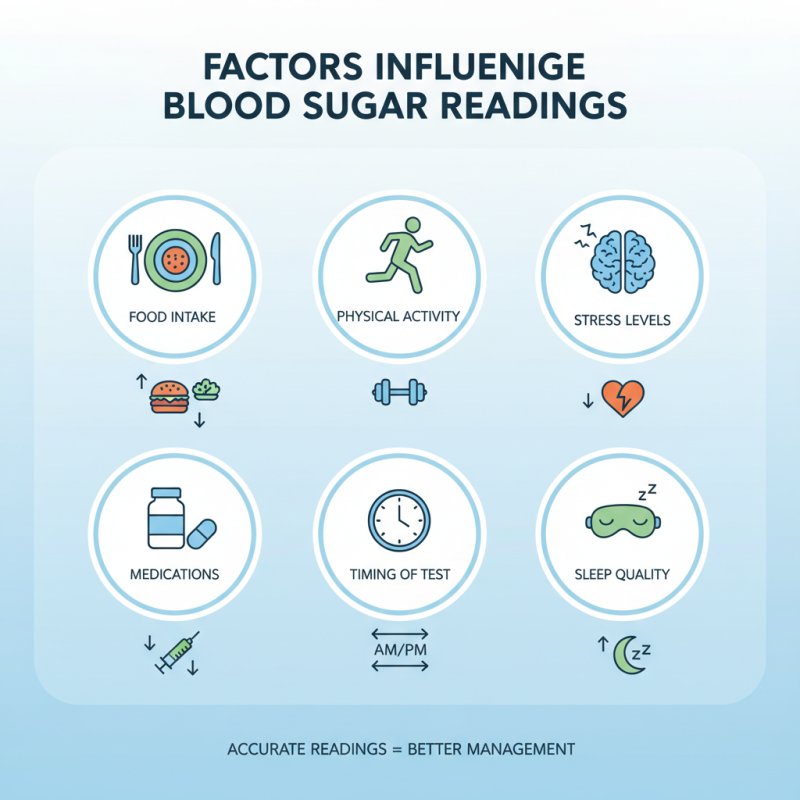
When it comes to monitoring blood sugar levels, various factors can significantly influence test results. Understanding these variables can help ensure that readings are accurate and meaningful. Common influences include food intake, physical activity, stress levels, medications, and even the timing of the test. For instance, consuming a large meal high in carbohydrates before testing can lead to elevated glucose levels, while exercise can lower them. Additionally, stress can trigger hormone releases that disrupt normal glucose metabolism, leading to misleading results.
To achieve more accurate blood sugar readings, consider these essential tips: First, consistent timing of tests is crucial. Try to test at the same times each day, preferably when fasting or before meals. This helps create a baseline for comparison. Secondly, properly maintain and calibrate testing devices according to the manufacturer’s guidelines. This ensures that the equipment used provides precise measurements. Lastly, keep a detailed log of your blood sugar levels alongside notes on diet, activity level, and other pertinent factors. Over time, this log can reveal patterns, helping to identify how various elements affect blood sugar variability.
Best Practices for Selecting and Using Blood Sugar Testing Devices
When it comes to managing diabetes, the accuracy of blood sugar test results is crucial. Selecting the right blood sugar testing device is the first step toward achieving reliable readings. Look for devices that are FDA-approved and come with features like Bluetooth connectivity for easier data management. It's also important to choose a device that requires only a small blood sample, making the testing process less invasive and more comfortable.
Another essential tip is to regularly calibrate your testing device according to the manufacturer’s instructions. Over time, devices can drift in accuracy, and recalibrating ensures your readings remain trustworthy. Additionally, always store test strips away from heat and moisture, as exposure to these elements can compromise their effectiveness. Make sure to check expiration dates and handle strips with clean, dry hands to prevent contamination and ensure optimal performance.
Finally, consistency is key. Use the same device and testing technique each time you measure your blood sugar. If you notice any unusual readings, cross-check with another device to verify results. By following these best practices for selecting and using blood sugar testing devices, you can greatly enhance the accuracy of your blood glucose monitoring and better manage your health.
Essential Tips for Accurate Blood Sugar Test Results You Need to Know
| Tip |
Description |
Best Practices |
| Choose the Right Device |
Select a glucose meter that meets your testing needs and fits your lifestyle. |
Research different models and read user reviews. |
| Calibration |
Ensure that the glucose meter is calibrated correctly for accurate readings. |
Follow manufacturer instructions for calibration. |
| Use Fresh Test Strips |
Expired or damaged test strips can lead to inaccurate results. |
Check expiration dates and store strips properly. |
| Wash Your Hands |
Clean hands before testing to avoid contamination. |
Use soap and water or alcohol wipes before testing. |
| Follow Testing Procedures |
Adhere to the manufacturer’s guidelines on how to conduct tests. |
Review the user manual periodically for any updates. |
Interpreting Blood Sugar Test Results: What the Numbers Mean
Interpreting blood sugar test results is crucial for maintaining optimal health, especially for individuals with diabetes or prediabetes. According to the American Diabetes Association, normal fasting blood sugar levels typically range between 70 to 99 mg/dL. A reading between 100 to 125 mg/dL is considered prediabetes, indicating an increased risk of developing type 2 diabetes. It’s essential to understand these numbers, as they can reflect how effectively your body manages glucose, influencing both immediate health and long-term outcomes.
Moreover, postprandial blood sugar levels, measured two hours after eating, offer additional insight into carbohydrate metabolism. The American College of Physicians suggests that values below 140 mg/dL are normal, while readings from 140 to 199 mg/dL suggest prediabetes. Higher levels could indicate that the body is struggling to utilize insulin appropriately. It is also noteworthy that fluctuations in blood sugar levels can occur based on factors like diet, exercise, and stress levels, making it vital for patients to monitor changes over time. Regular monitoring and understanding these results empower individuals to take proactive steps towards managing their health effectively.
Blood Sugar Levels Throughout the Day
Understanding your blood sugar levels during the day is crucial for managing diabetes. This chart represents typical blood sugar readings at various times, indicating how levels may fluctuate through daily activities.

 +86-18343147735
 Email
Email WhatsApp