2026 How to Effectively Monitor Your Blood Sugar Test Results?
Monitoring your blood sugar test results is vital for managing diabetes. This process can feel overwhelming. Many people struggle with consistency and accuracy in their measurements. Understanding your numbers begins with regular testing. Each blood sugar test provides essential information about your health.
Tracking these results requires attention to detail. It's not just about numbers; it's about patterns and insights. A stable routine can help identify fluctuations over time. Pay attention to how food, exercise, and stress affect your levels. However, mistakes happen. Sometimes, test results may not match how you feel. This can lead to confusion and frustration.
Embracing both the successes and challenges in monitoring is key. Reflection on these experiences can bring valuable lessons. Make adjustments as needed and stay committed. With effective monitoring of your blood sugar test results, you hold the power to take control of your health.
Understanding Blood Sugar: What the Results Mean
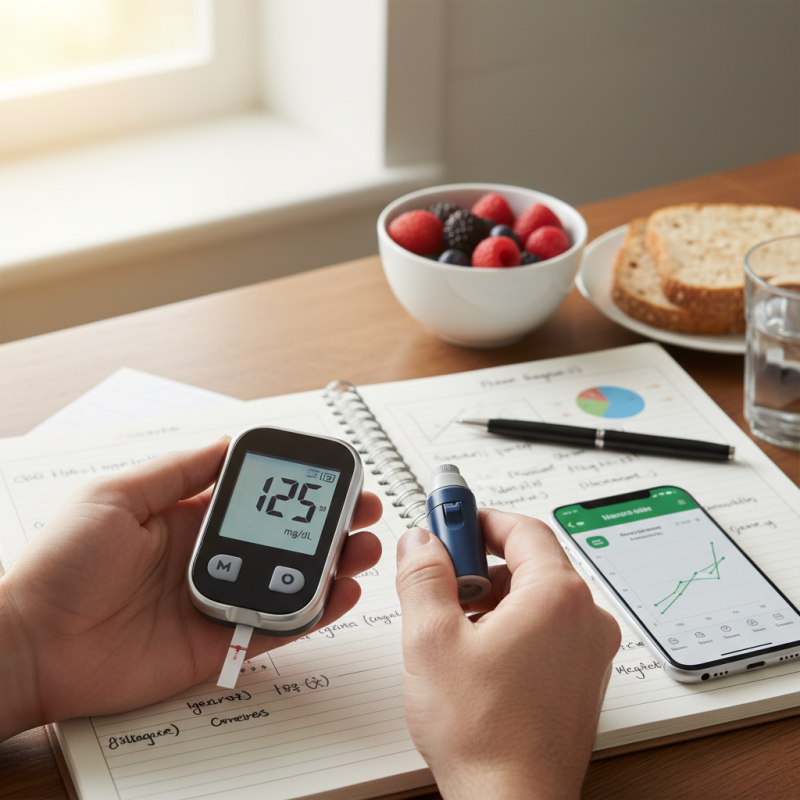
Understanding blood sugar levels is crucial for overall health. It reflects how well your body manages glucose, a key energy source. Normal levels vary, typically between 70 and 130 mg/dL, depending on when you last ate. High numbers can indicate diabetes. Low levels may lead to symptoms like dizziness or confusion. Each reading tells a story about how your body functions.
Monitoring your results helps you recognize patterns. Consider keeping a log. Write down the date, time, and any factors that could affect your readings, like meals or stress. This will help you and your health provider identify trends over time. Sometimes, results will surprise you. A seemingly normal meal can cause a spike. Reflection is necessary. Are you making mindful choices? Analyzing the data is key to better management.
Stay aware of how you feel after checking your blood sugar. Do certain levels make you anxious? Or do you feel empowered when they stabilize? Emotions play a role, but so do habits. Adaptation takes time. Finding what works for you requires patience and dedication. Monitor your results effectively and become your own advocate for health.
Monitoring Your Blood Sugar Levels
This chart illustrates the daily blood sugar test results over a week, helping you understand blood sugar variations and what the results may indicate about your health.
Choosing the Right Testing Method for Your Needs
Choosing the right testing method for your blood sugar monitoring is crucial. There are various ways to check your levels. Fingerstick tests are common. They provide quick results but may feel uncomfortable. Continuous glucose monitors (CGMs) offer a different experience. They track levels throughout the day without frequent finger pricks. This option can lead to less pain, but it might be more expensive.
Consider your lifestyle when choosing a method. Some prefer the convenience of CGMs. Others might find traditional methods sufficient. Think about your routine. Do you travel often? Do you have time for regular checks? Evaluate your comfort with technology as well. If you're not tech-savvy, CGMs may be overwhelming.
No method is without flaws. Fingerstick tests may not capture trends. They reflect a single moment, missing out on fluctuations. CGMs can malfunction or give false alarms. It's essential to recognize the limitations of each option. Experiment with different techniques. Monitor your comfort and accuracy. Adjust your approach as needed.
Creating a Blood Sugar Monitoring Schedule
Creating a blood sugar monitoring schedule is essential for effective diabetes management. According to the American Diabetes Association, maintaining consistent testing can improve your glucose control by nearly 30%. This precise strategy helps you understand your body’s reactions to different foods, activities, and stressors.
Aim to check your blood sugar at various times throughout the day. For instance, testing before meals can reveal how food affects your levels. Testing after meals provides insight into how your body converts that food into glucose. Some people even find it helpful to record their results in a journal. Writing things down reinforces your awareness of patterns.
However, it can be easy to forget to test. Life gets busy, and monitoring may slip through the cracks. If you miss a test, reconsider your routine. Look at why it happened. Was it time constraints? Emotional stress? Reflect on these challenges. Adjustments are key to establishing a realistic and sustainable schedule.
2026 How to Effectively Monitor Your Blood Sugar Test Results? - Creating a Blood Sugar Monitoring Schedule
| Date |
Time |
Blood Sugar Level (mg/dL) |
Notes |
| 2026-01-01 |
08:00 AM |
110 |
Before breakfast |
| 2026-01-01 |
02:00 PM |
130 |
After lunch |
| 2026-01-01 |
08:00 PM |
120 |
Before dinner |
| 2026-01-02 |
08:00 AM |
115 |
Before breakfast |
| 2026-01-02 |
02:00 PM |
135 |
After lunch |
| 2026-01-02 |
08:00 PM |
125 |
Before dinner |
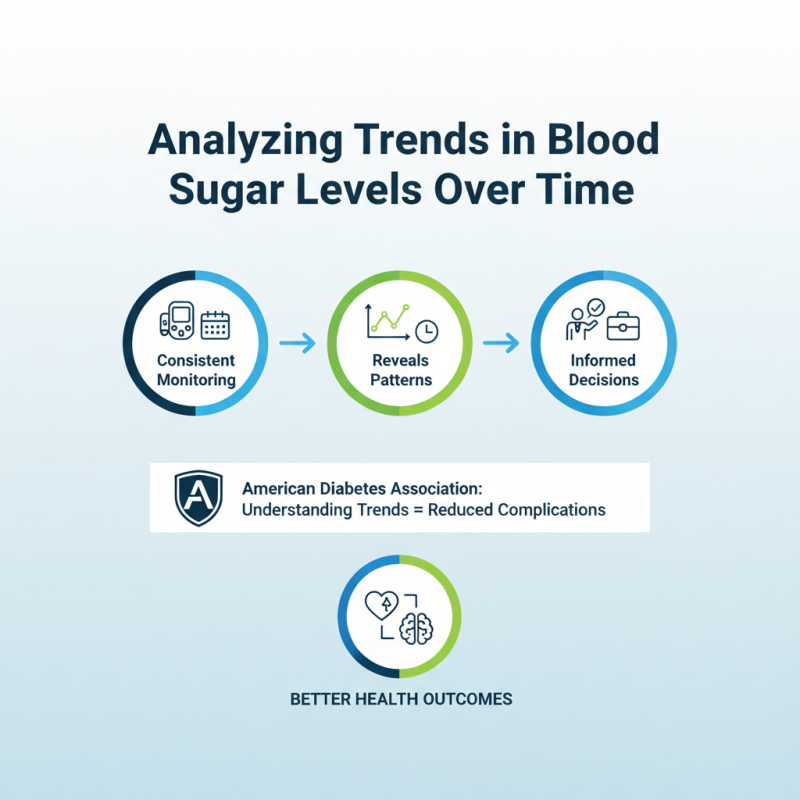
Analyzing Trends in Blood Sugar Levels Over Time
Monitoring blood sugar levels is crucial for managing diabetes. Many individuals overlook the importance of tracking trends in these levels over time. Consistent monitoring can reveal patterns that are vital for making informed decisions. According to the American Diabetes Association, understanding trends in blood sugar can significantly reduce the risk of complications.
Data suggests that fluctuating levels, even within normal ranges, can indicate underlying issues. For instance, a study found that around 40% of individuals experienced significant variability in their glucose levels. This variability often goes unnoticed. Individuals should not only record their daily readings but also analyze them over weeks or months. Identifying patterns, such as spikes after meals or dips in the morning, can provide essential insights.
Creating a graph of blood sugar levels may be beneficial. Visual representations help in recognizing trends more clearly. Regularly reviewing these graphs allows individuals to reflect on their dietary choices and activity levels. It is vital to remember that monitoring is a process filled with learning opportunities. Adjustments may be necessary, and reflecting on one's habits can illuminate unexpected influences on blood sugar.
Managing Lifestyle Factors to Optimize Blood Sugar Control
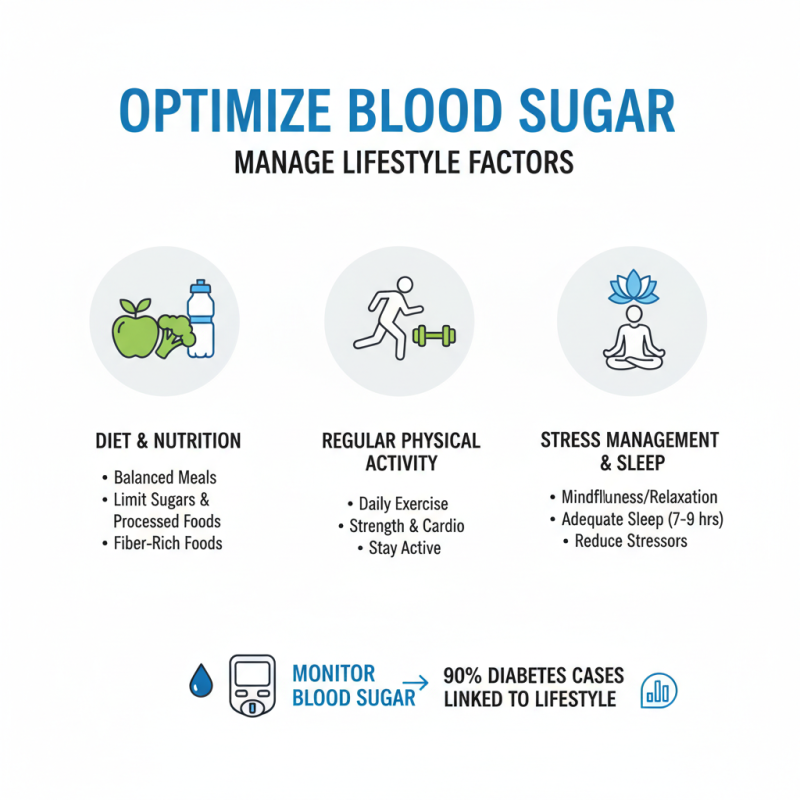
Monitoring blood sugar levels is essential for effective diabetes management. However, how we manage our lifestyle factors plays a critical role. Research indicates that nearly 90% of diabetes cases are related to lifestyle choices, including diet, exercise, and stress management.
A recent study revealed that maintaining a balanced diet can lower blood sugar levels by up to 30%. Eating whole foods, such as vegetables, lean proteins, and whole grains, is beneficial. Yet, many people still struggle with portion control. Practicing mindful eating is key. It can be hard to break old habits, but awareness is the first step.
Physical activity is another significant factor in blood sugar control. The American Diabetes Association recommends at least 150 minutes of moderate exercise weekly. However, only 23% of adults with diabetes meet this goal. Regular movement helps improve insulin sensitivity but often feels overwhelming. Small, consistent changes, like taking the stairs, can make a difference over time. Remember, it’s about progress, not perfection.

 +86-18343147735
 Email
Email WhatsApp